




Beechwood Essentials
Premium solid beechwood, built to grow with your child.

Tested to toy safety standards
2-year structural warranty
Adjusts as they grow
Water-based, non-toxic finishes
30-day returns, hassle-free
Best Sellers
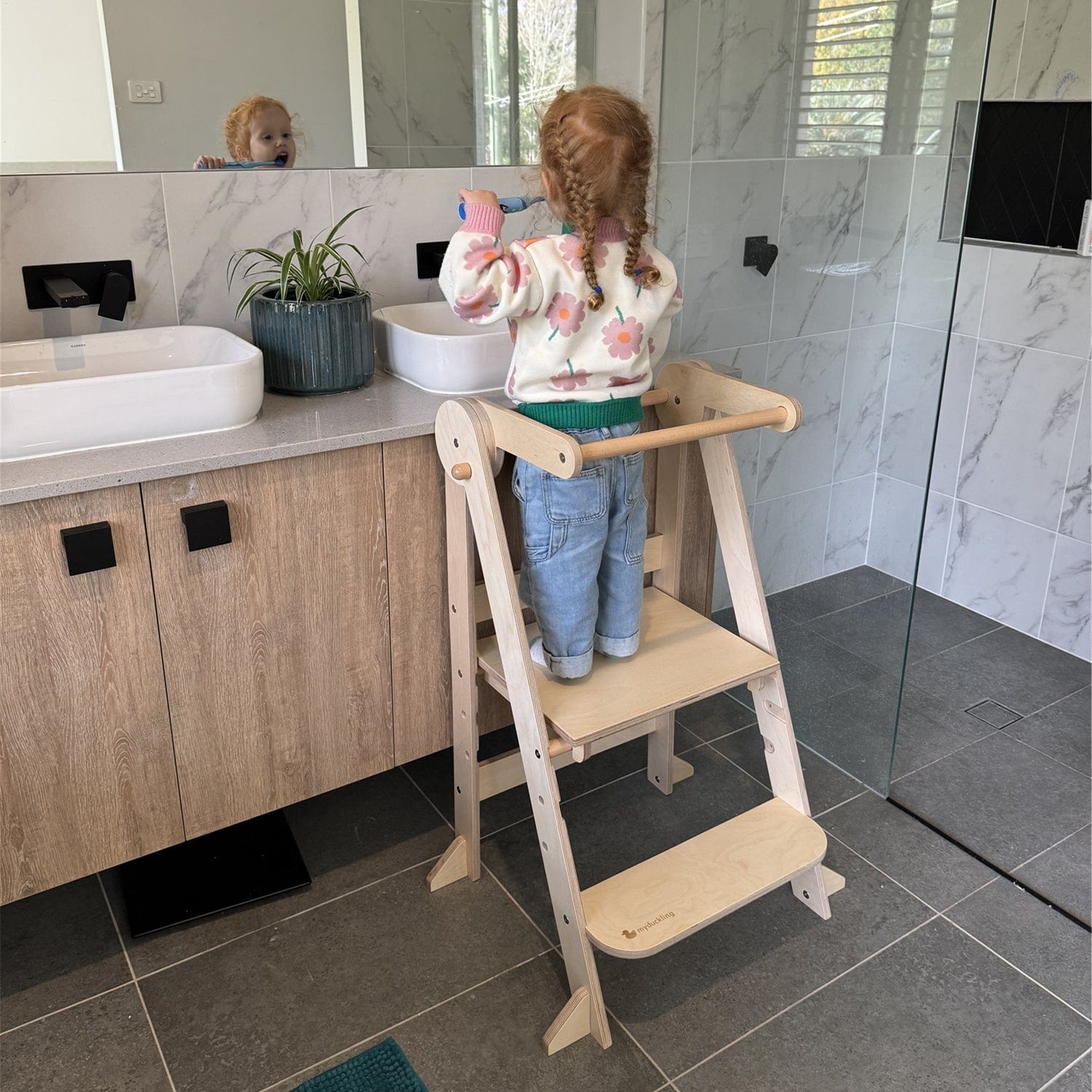
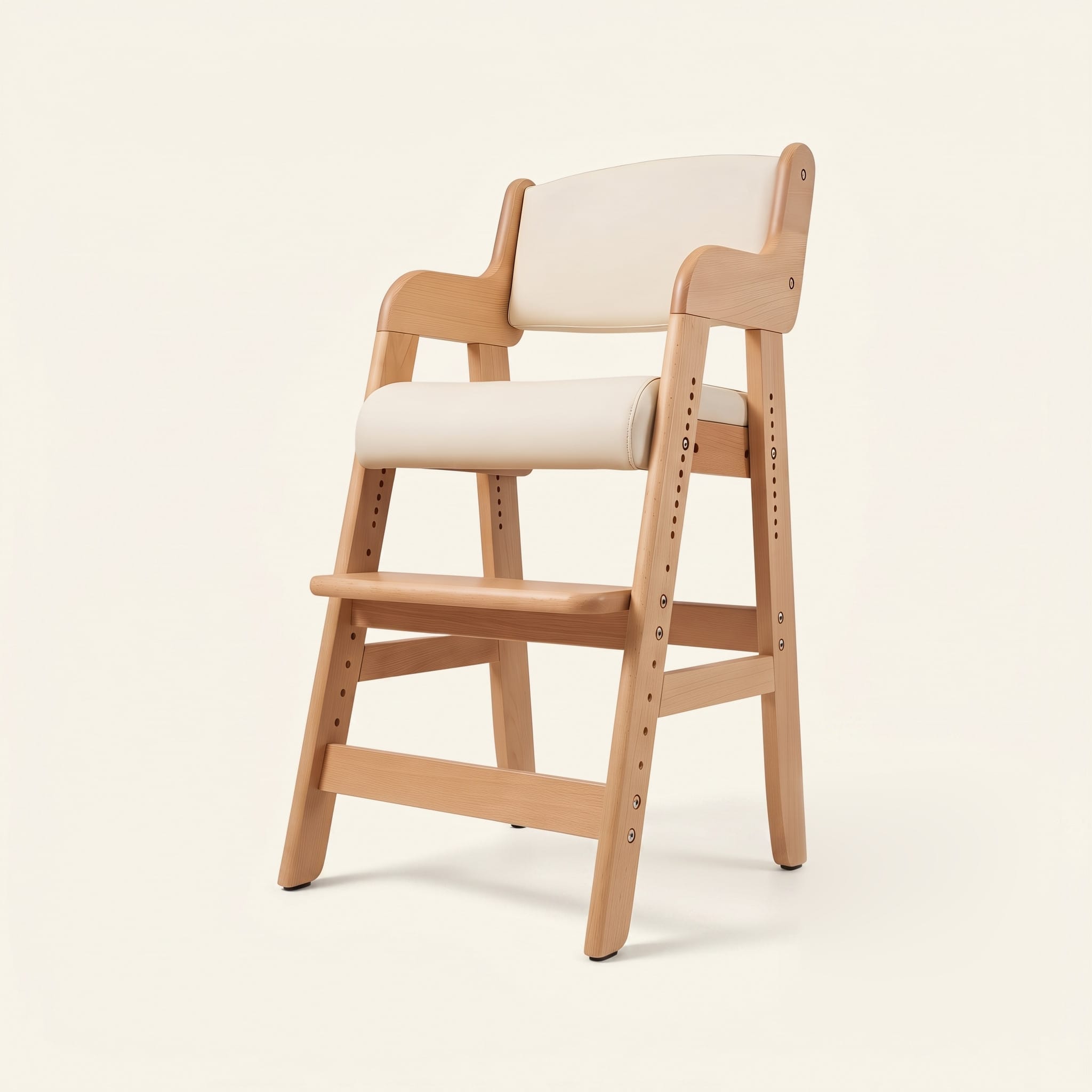
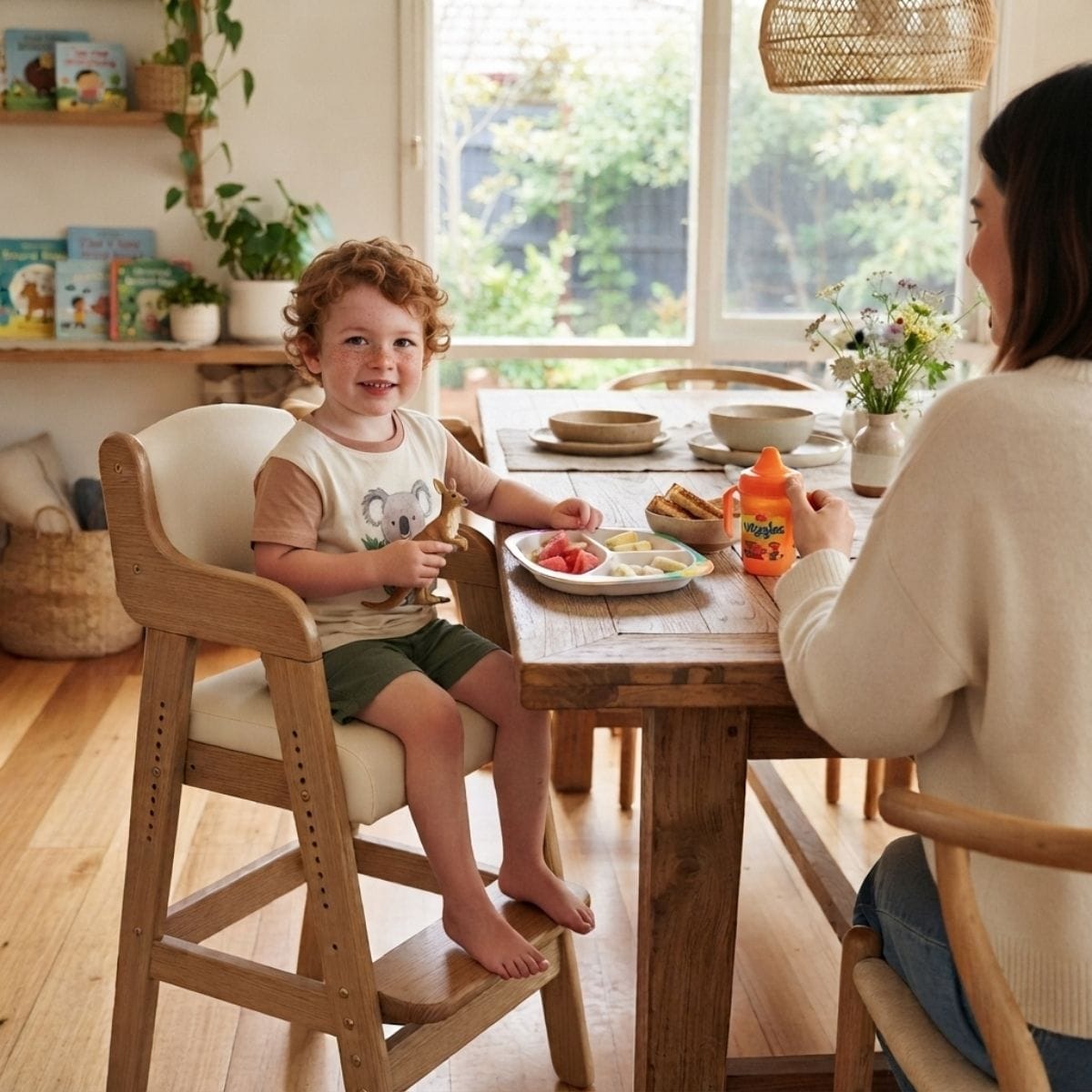
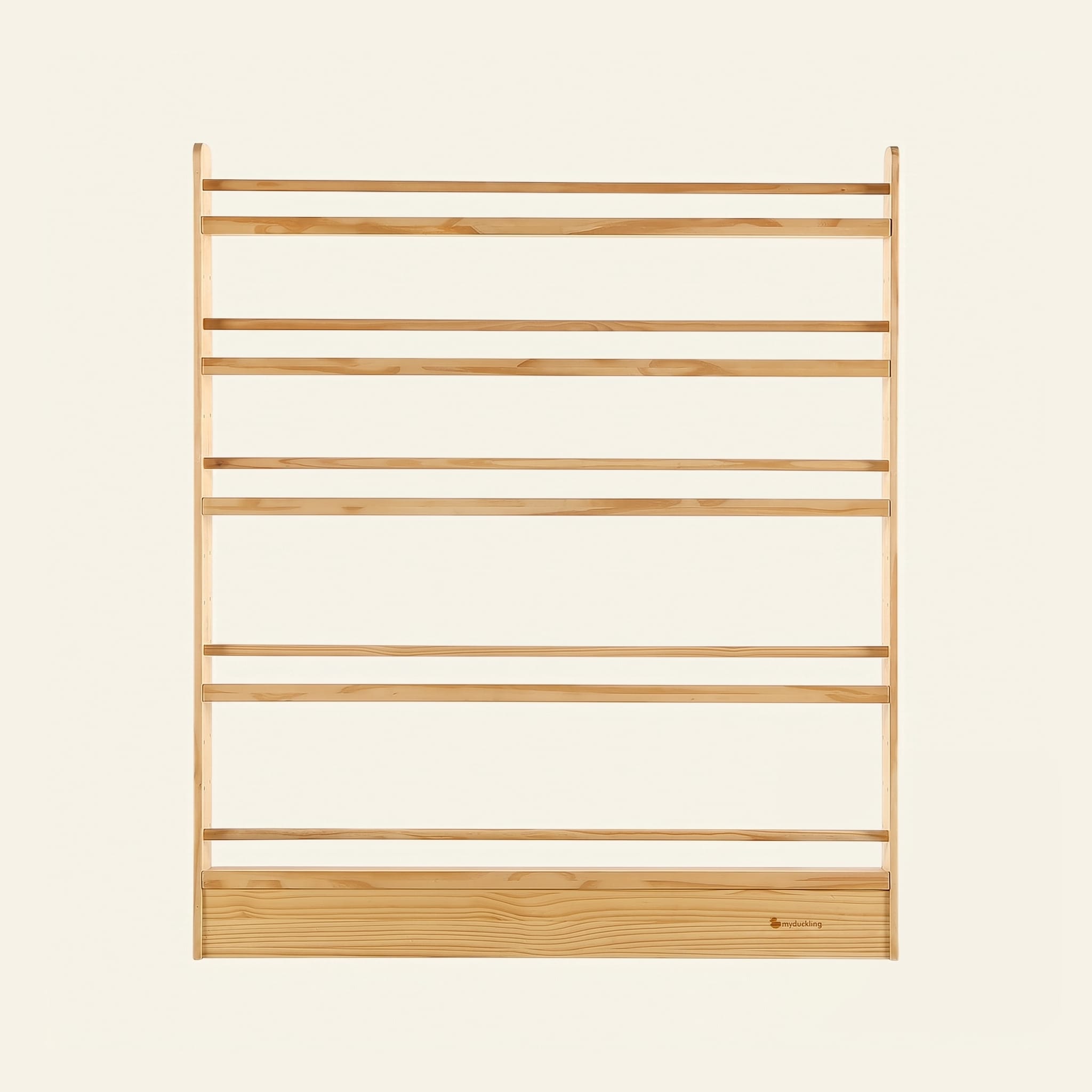
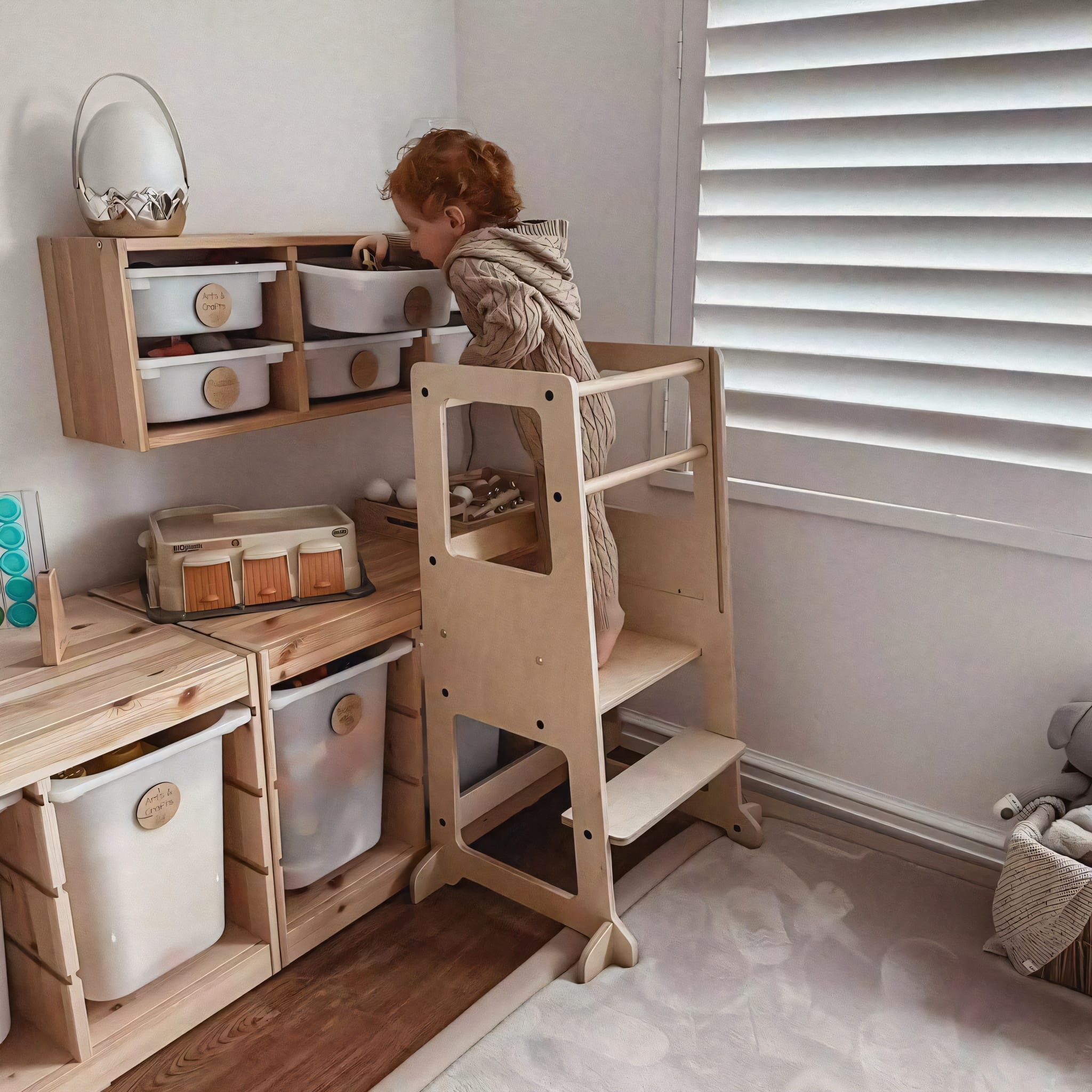
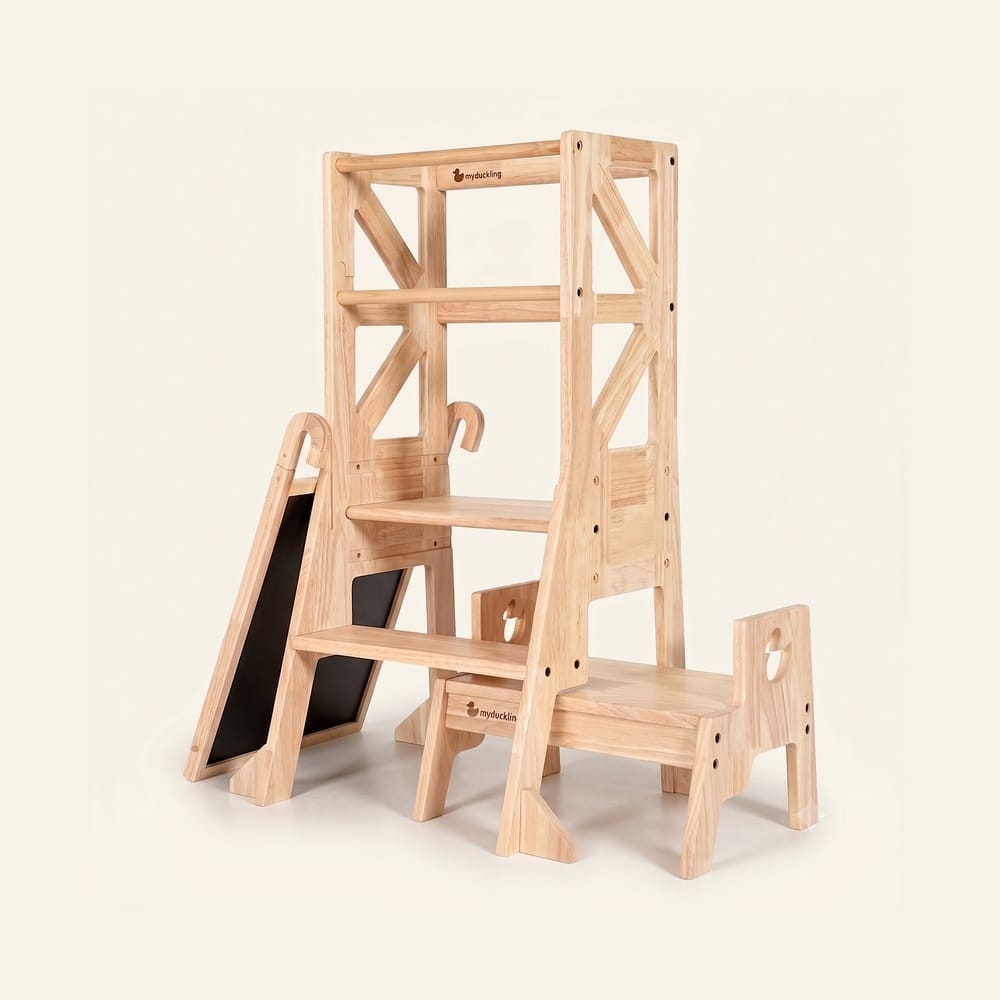
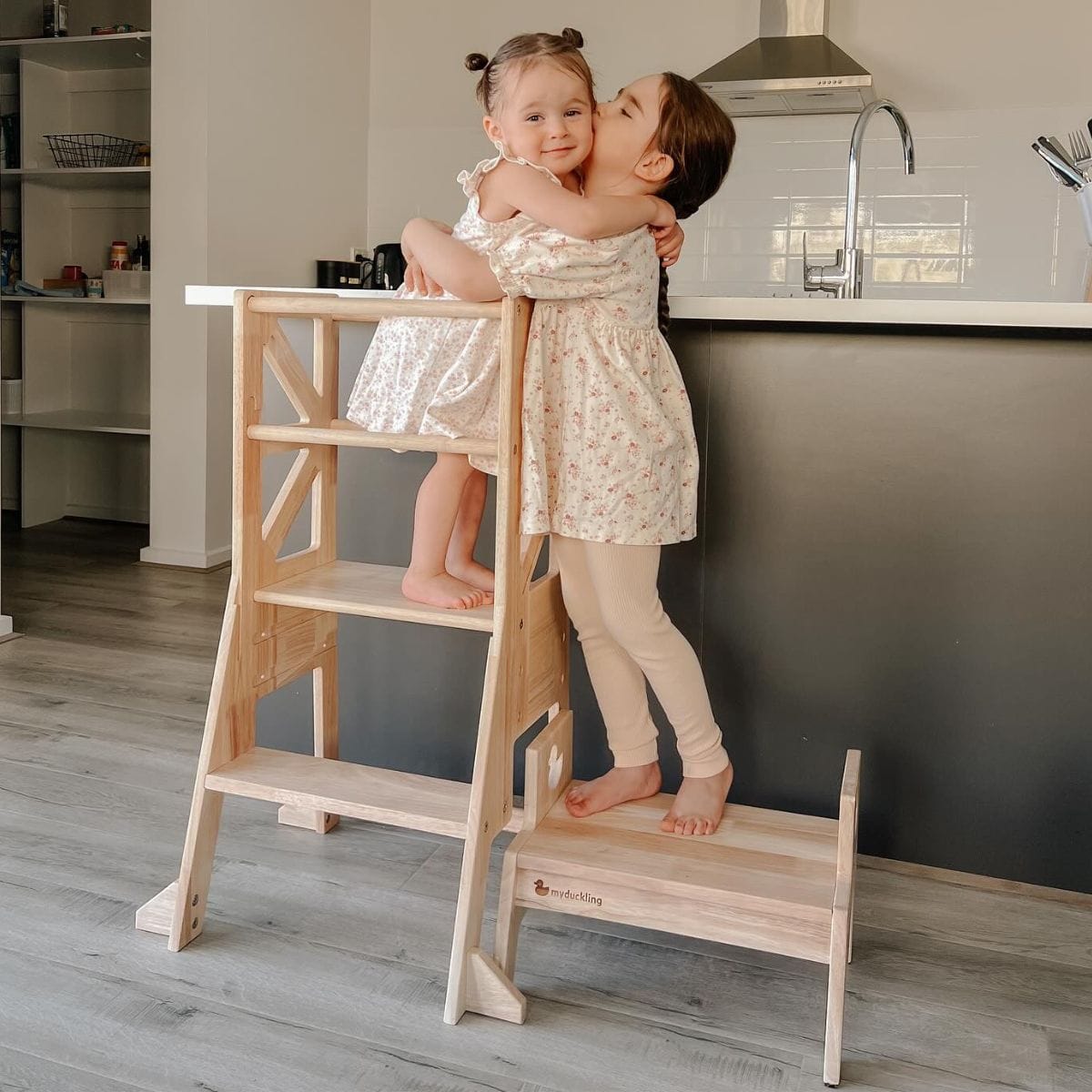
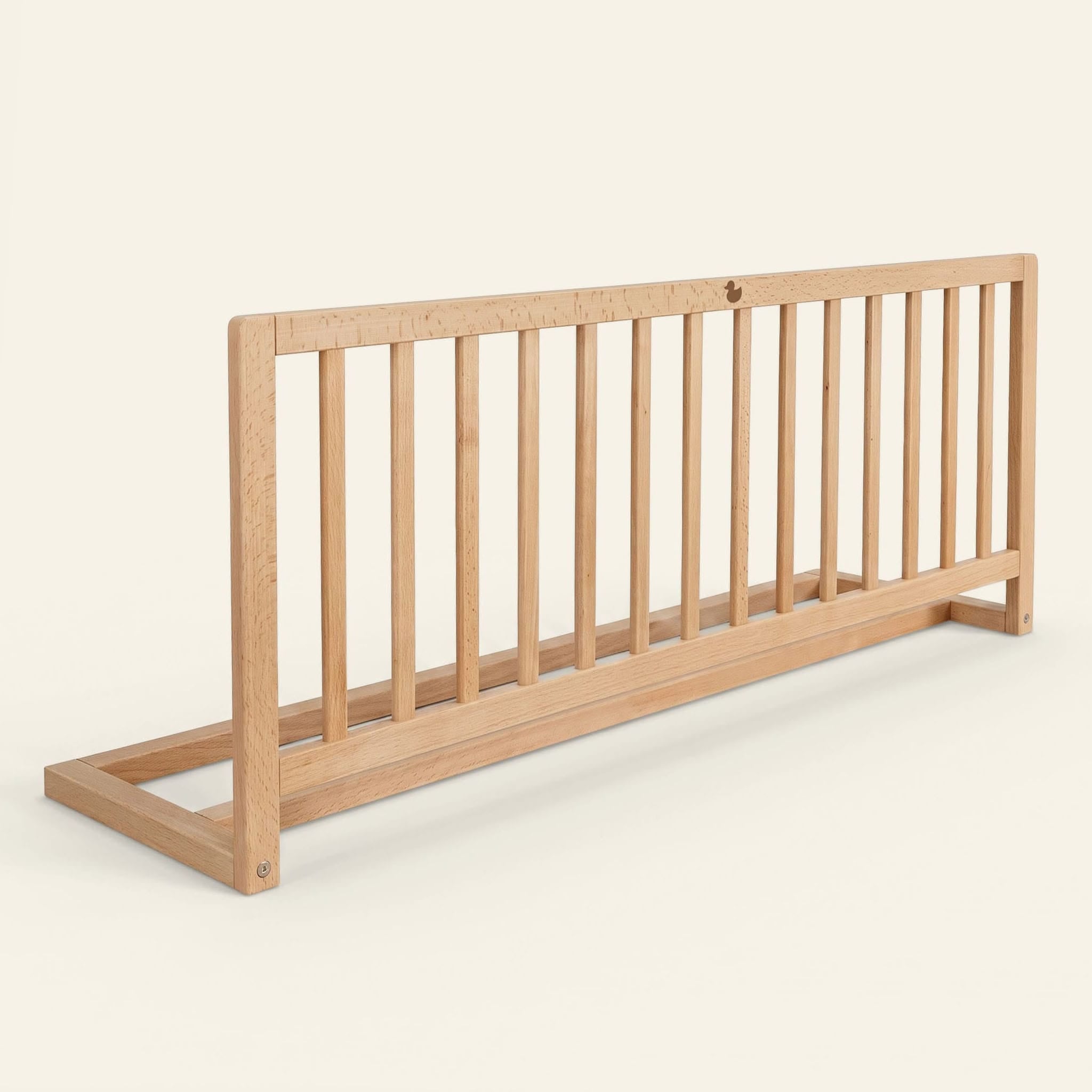
The best treat on the street
Trick-or-treat is sweeter with myduckling. This Halloween, give a gift card they’ll unwrap long after the candy’s gone. Shop Gift Cards →
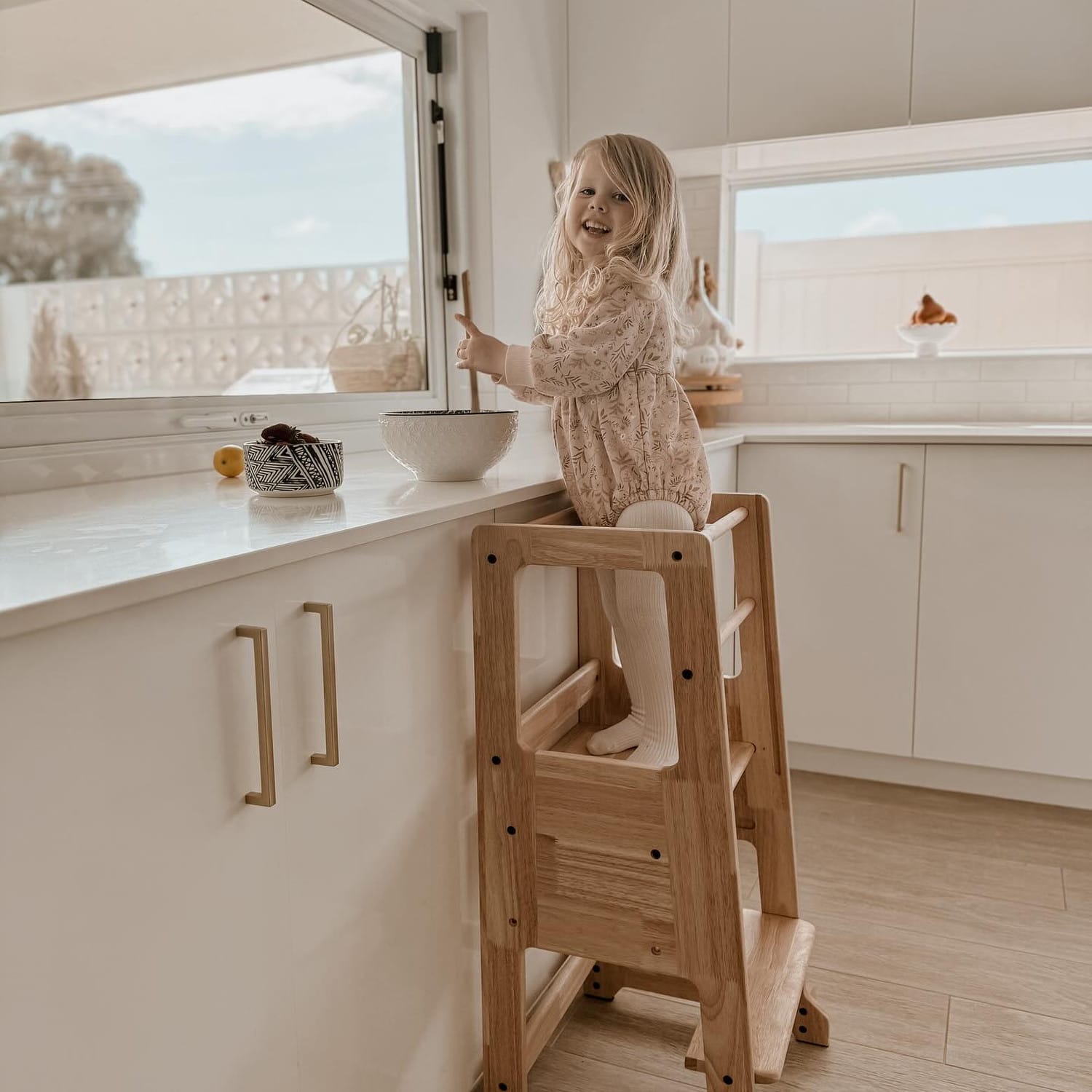
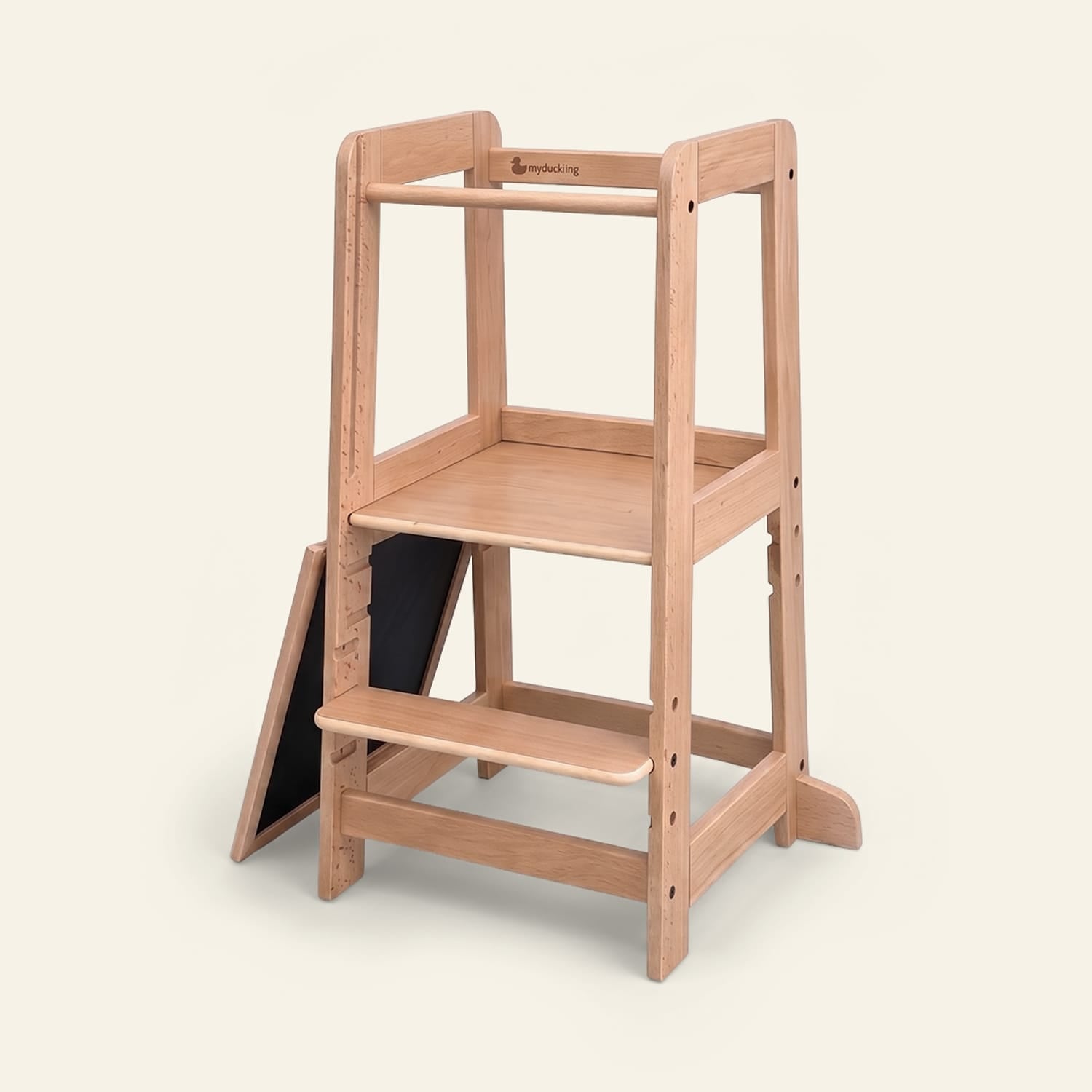
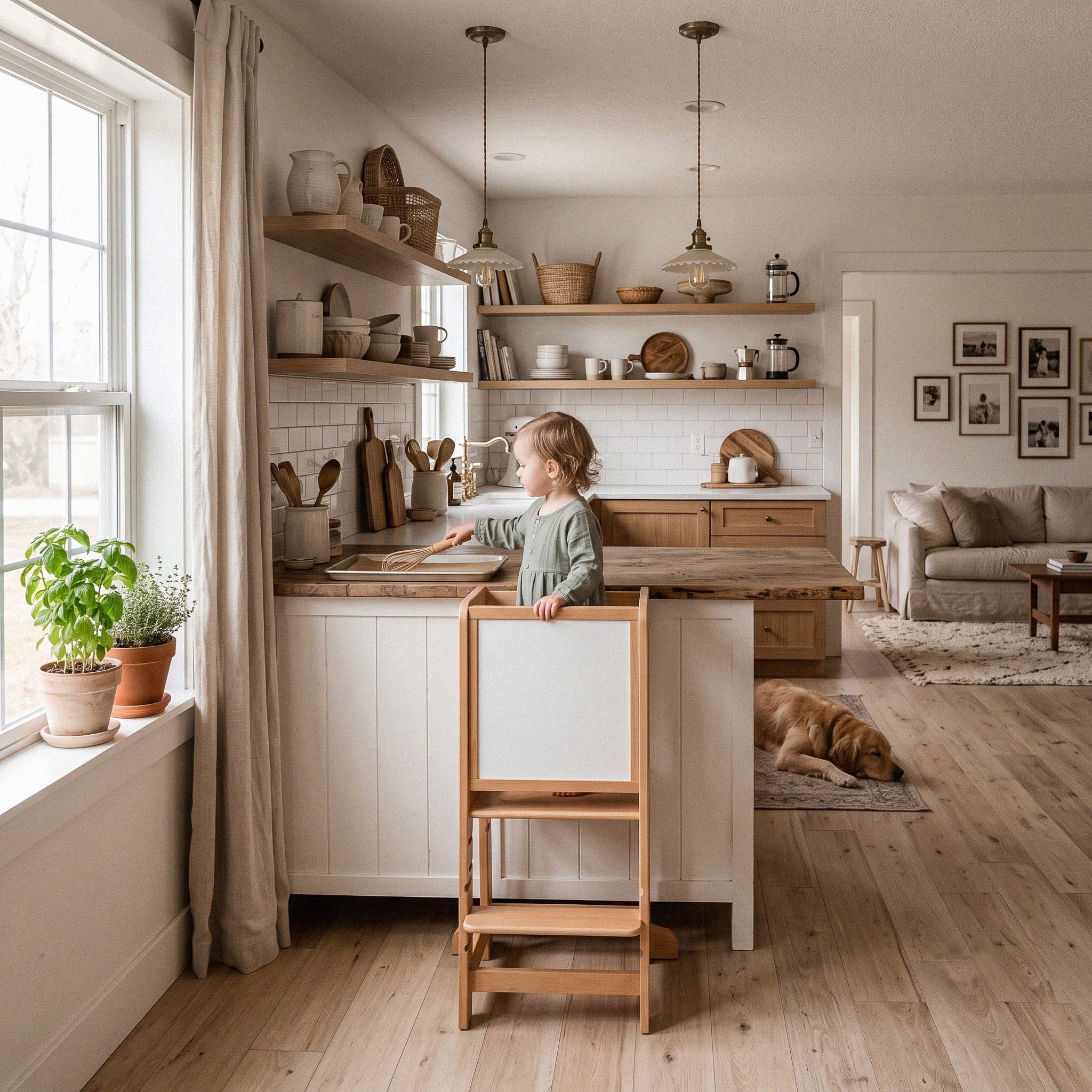
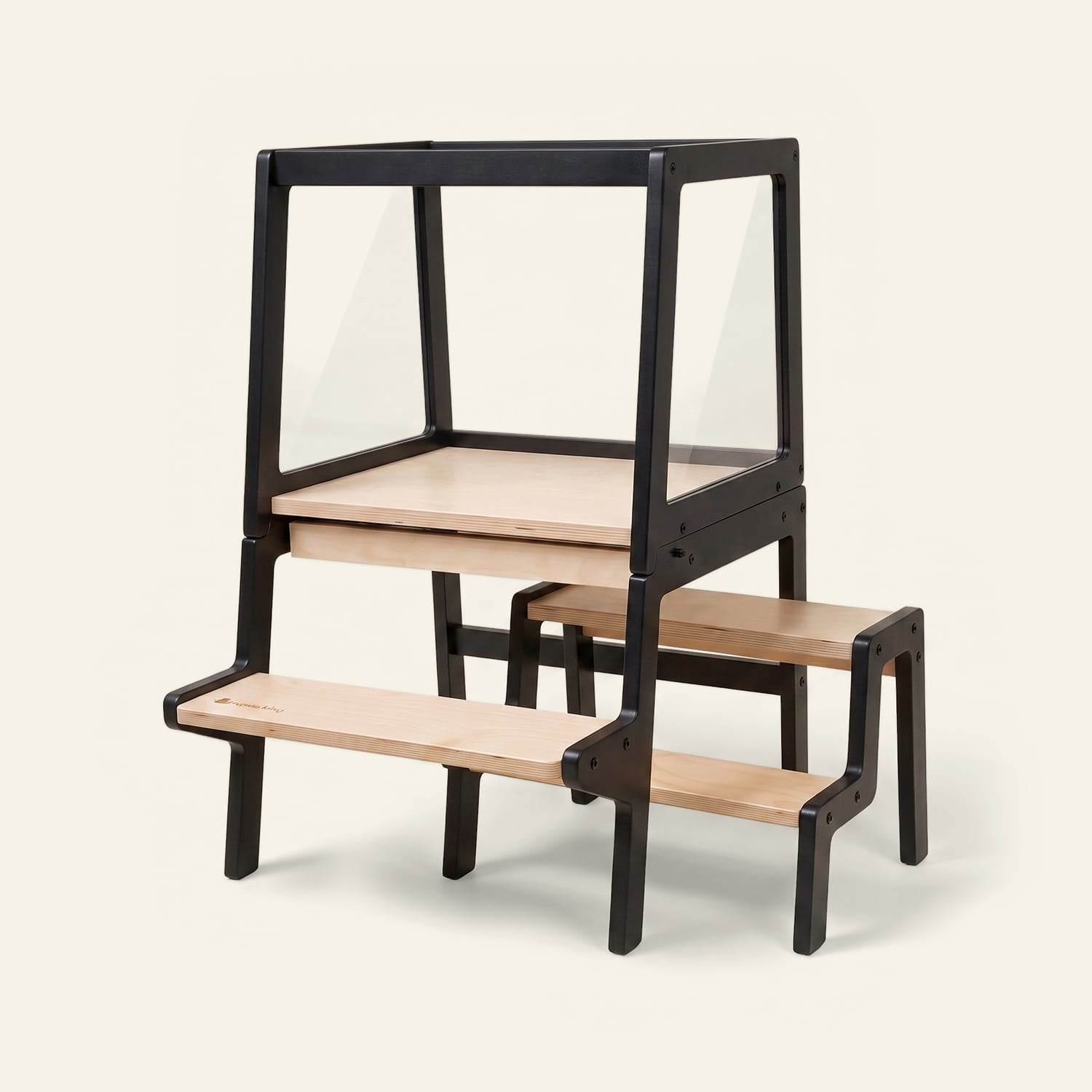
Let customers speak for us

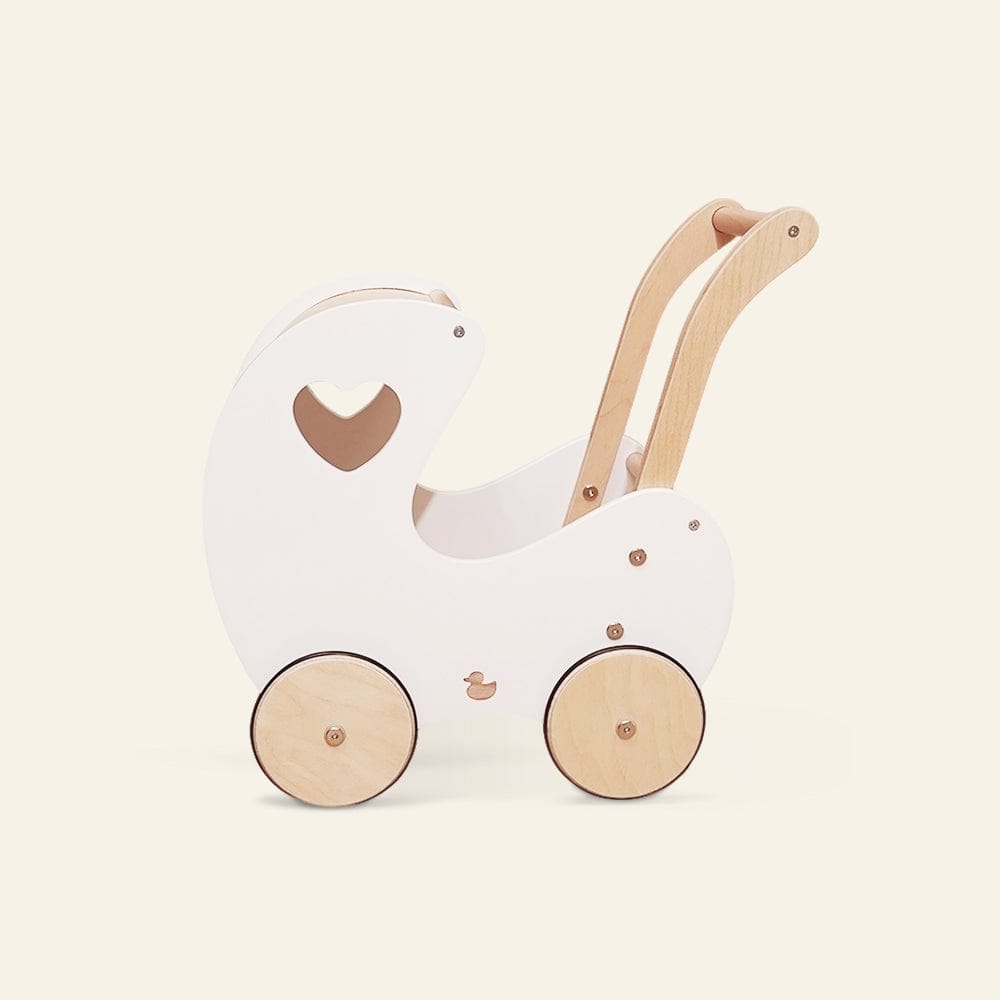
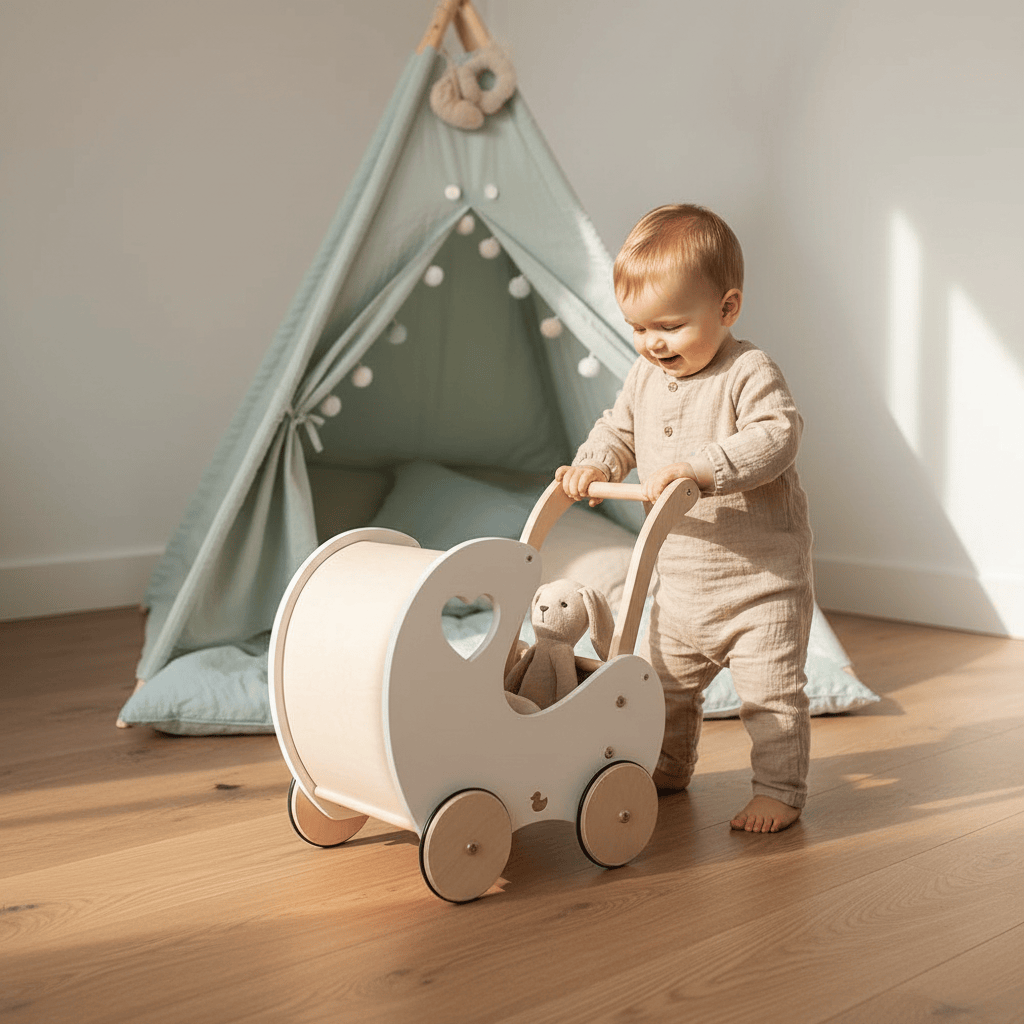
Such a beautiful, well-crafted children’s walker pram! We gifted this for a little girl’s first birthday, and it was the perfect present. It’s such a timeless and special gift, and I’m sure she’ll make many wonderful memories with it as she grows. ❤️
Bought for my granddaughter who just turned one. She loves it and it’s helped her walking around, beautifully made little pram💗
Absolutely thrilled with this product.
I bought two for my grandbabies one in white one in mint very easy to put together by myself. Can’t wait to have them under the Christmas tree with bows on.
Beautiful quality. Exactly as described. Company very responsive to eails
I bought this for my granddaughter and she absolutely loves it. The quality is amazing, very happy with my purchase

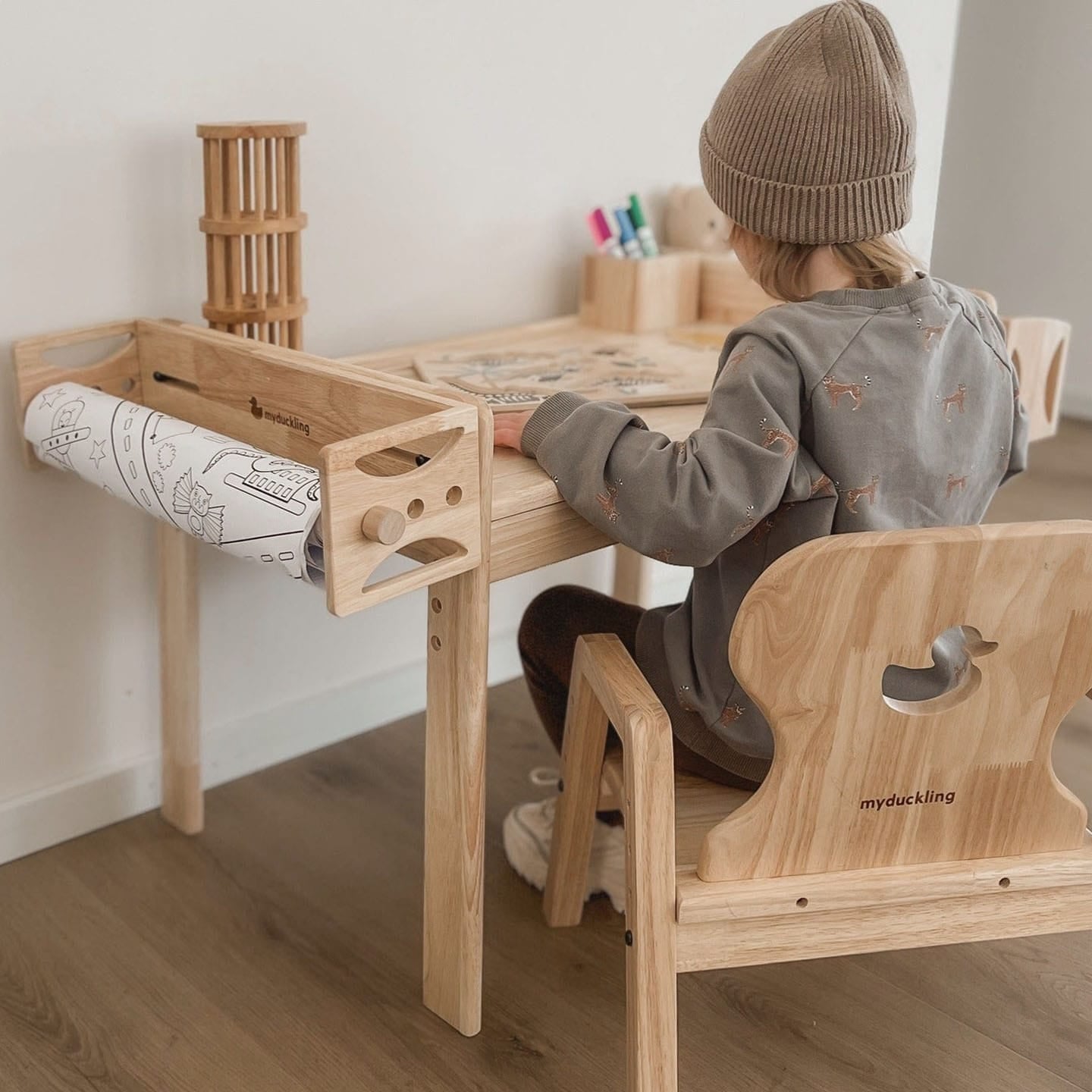
This is a great addition to the table and chair. My grandson loves using the paper dispenser. All in all a great arts and crafts combo!

A fabulous little set that my grandson loves and uses so much. This is my second Myduckling purchase and I will be buying more.
Beautiful little pram. Was well packed on arrival, well made & a gorgeous little pram! Slightly smaller than we thought, but is perfect for our little granddaughter as a first pram. It really is beautifully made & excellent quality.
My order arrived when I was told it would. The little pink pram walker is perfect. I can't wait to give it to my great granddaughter for Christmas. I am very excited. It was very easy to put together. It has been beautifully made.

This was a perfect first birthday gift for our 1 year old. The slim design doesn’t take up much space in our small living room but has massive impact and our book obsessed boy absolutely loves it, he goes straight to it first thing every morning and loves being able to see all his favourite books.
Love it

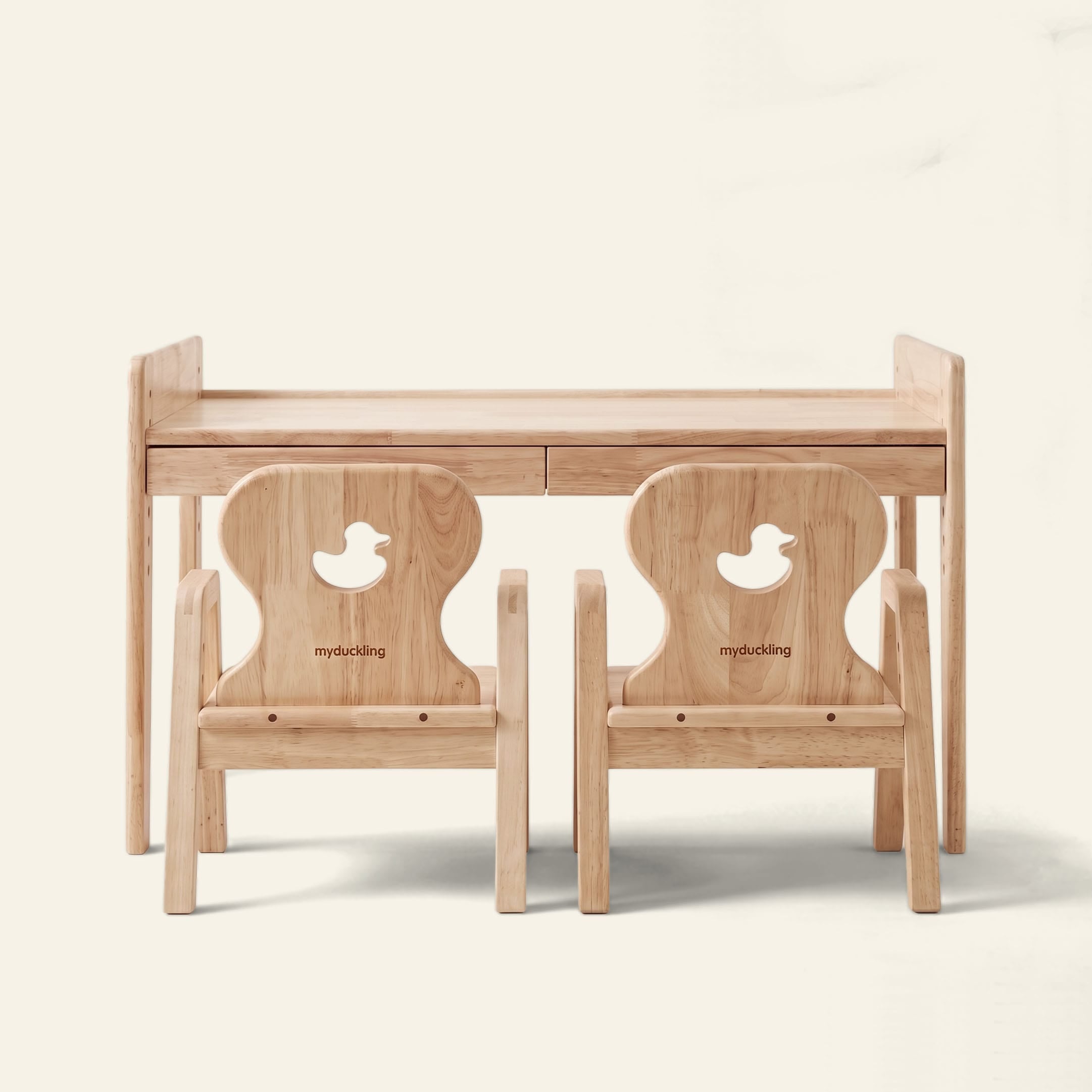
Great new addition to the dining room table for 2.5 year old. looks good, easy to clean and a fair price
We got this delivered the day after my daughter took her very first steps. It is a stunning pram. She loves it! It’s heavy enough to keep her stable and sturdy enough for her to walk around. Absolutely adore this beautiful pram!

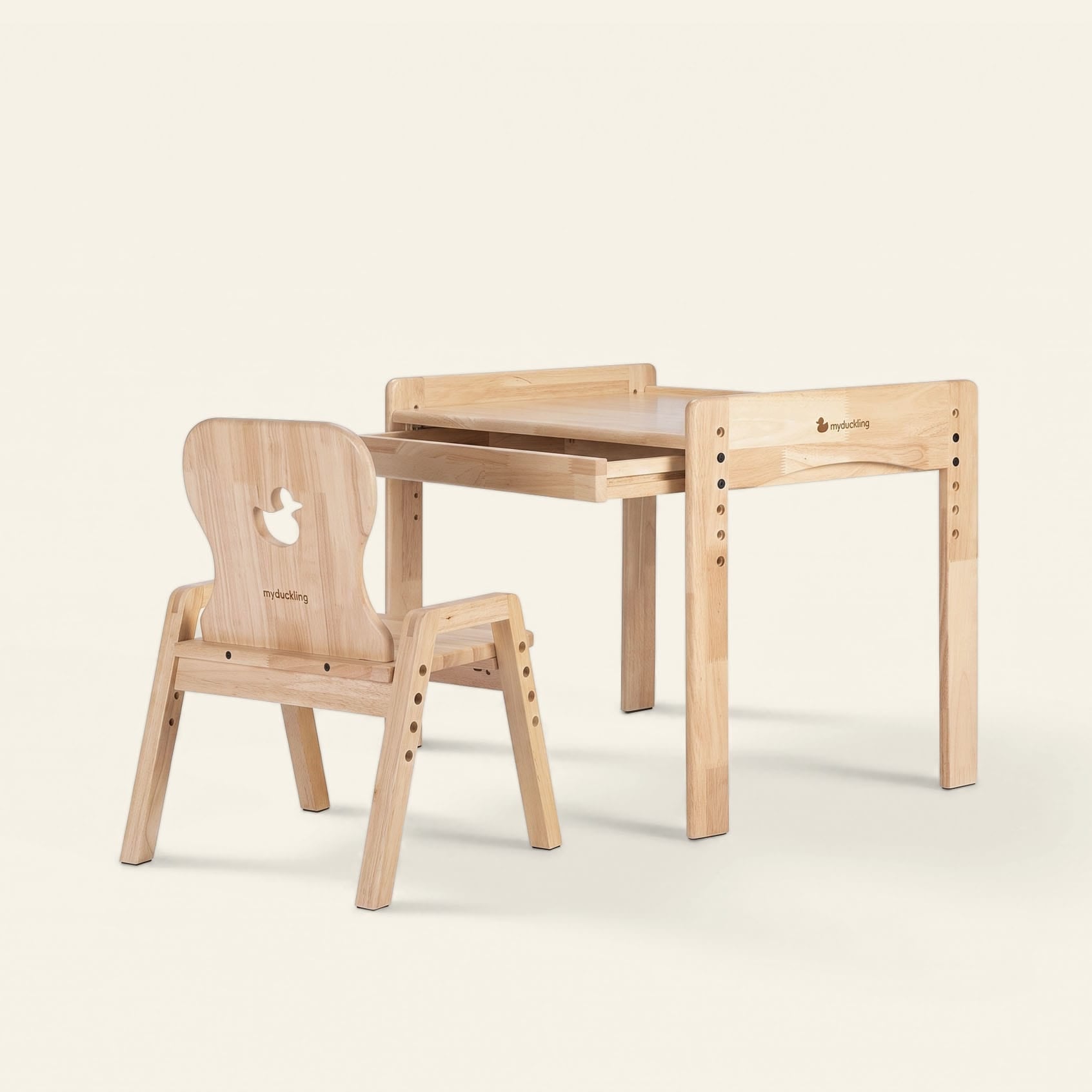
This mini chair is great! its durable, adjustable and pairs well with any room set

love it
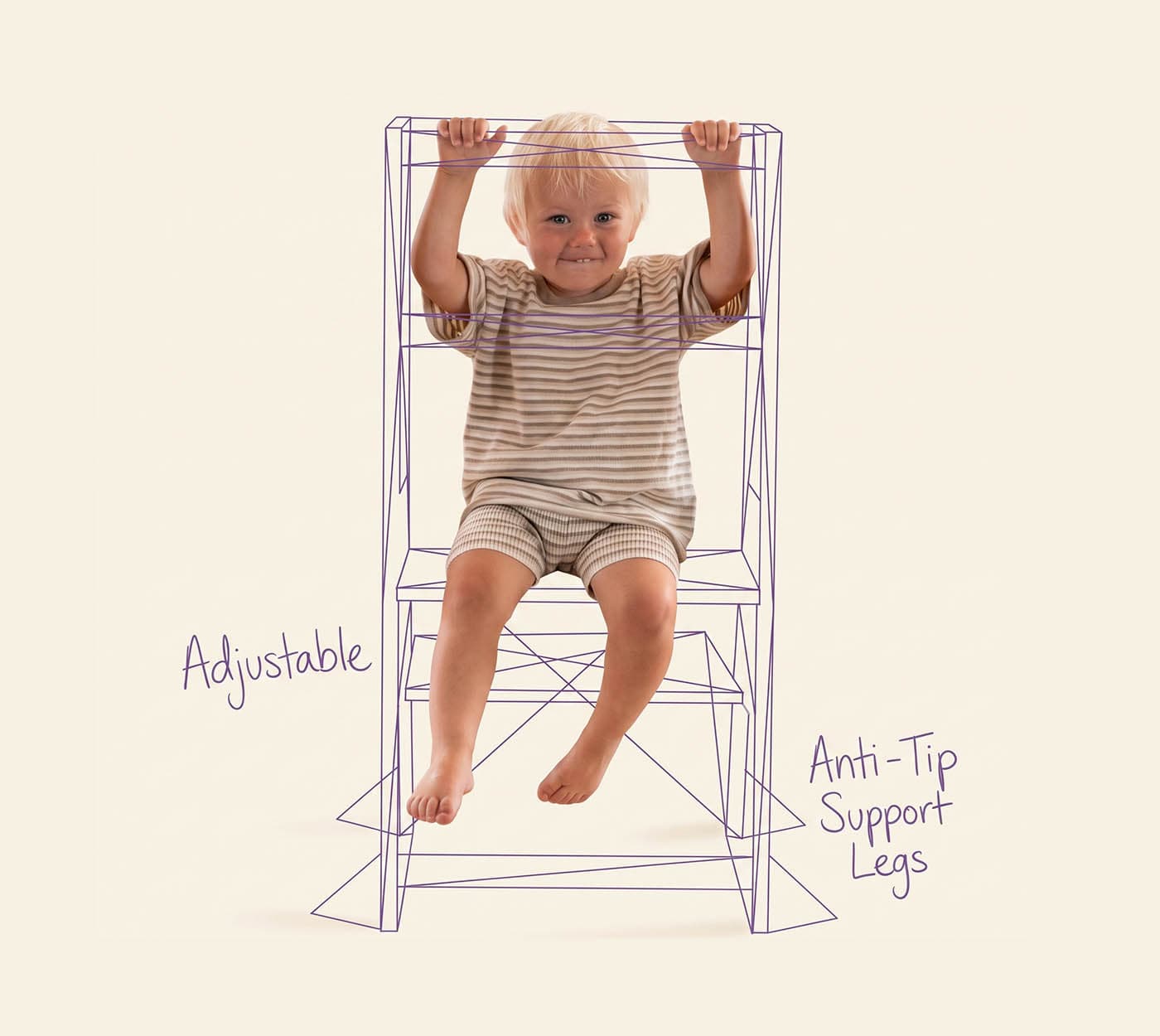
Drawn around the child
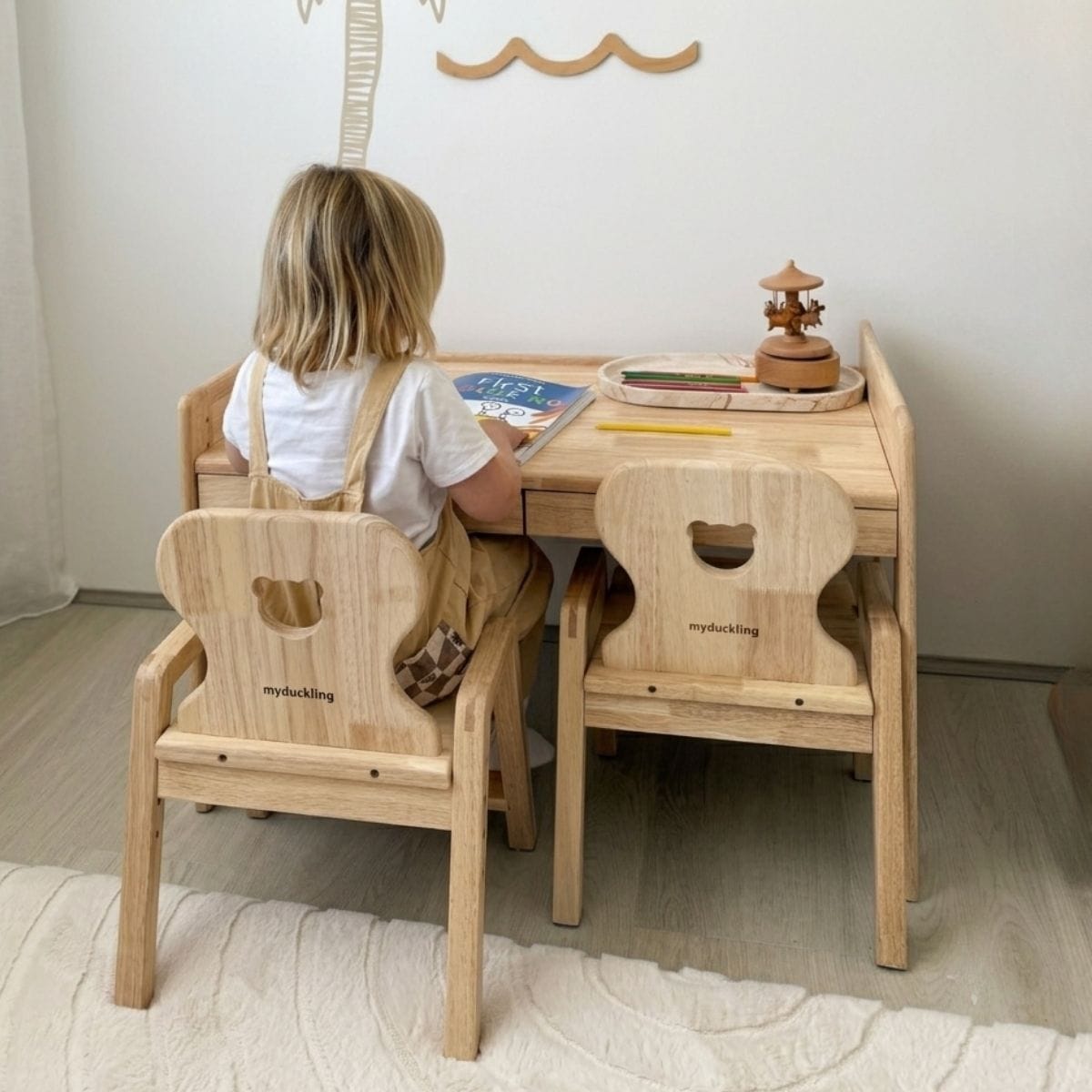
The child first, then the furniture
Most children's furniture is designed to fit a room and then scaled down.
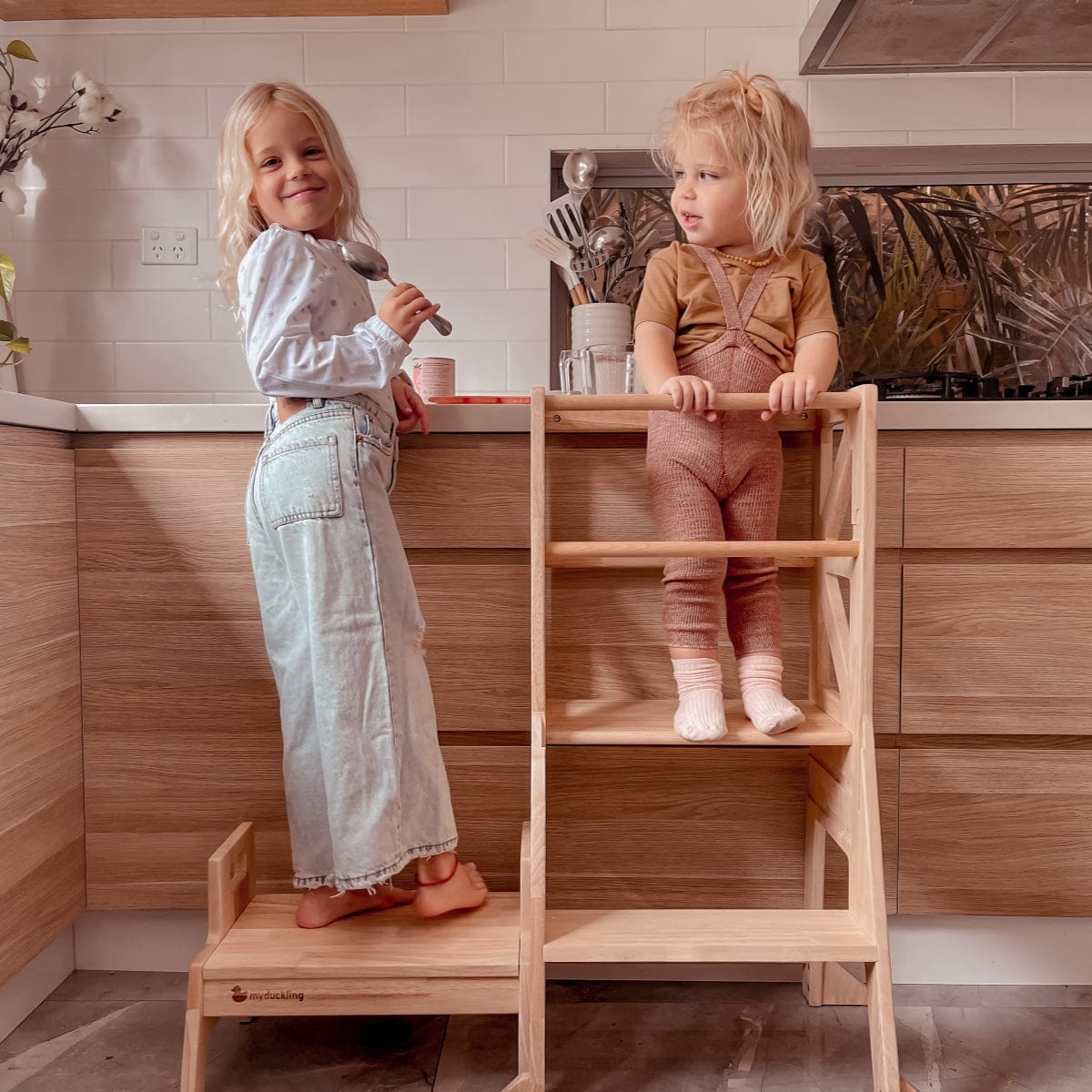
We start the other way around, beginning with the reach of an arm, the distance from the seat to the floor, and the height of a kitchen counter.
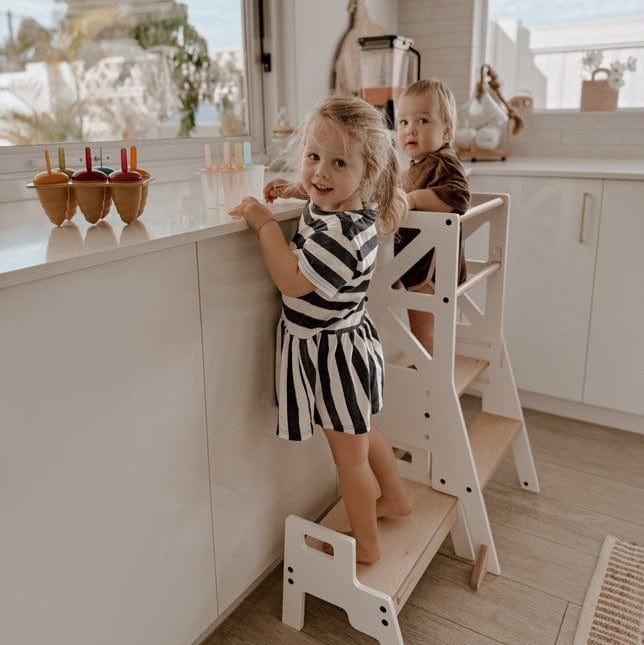
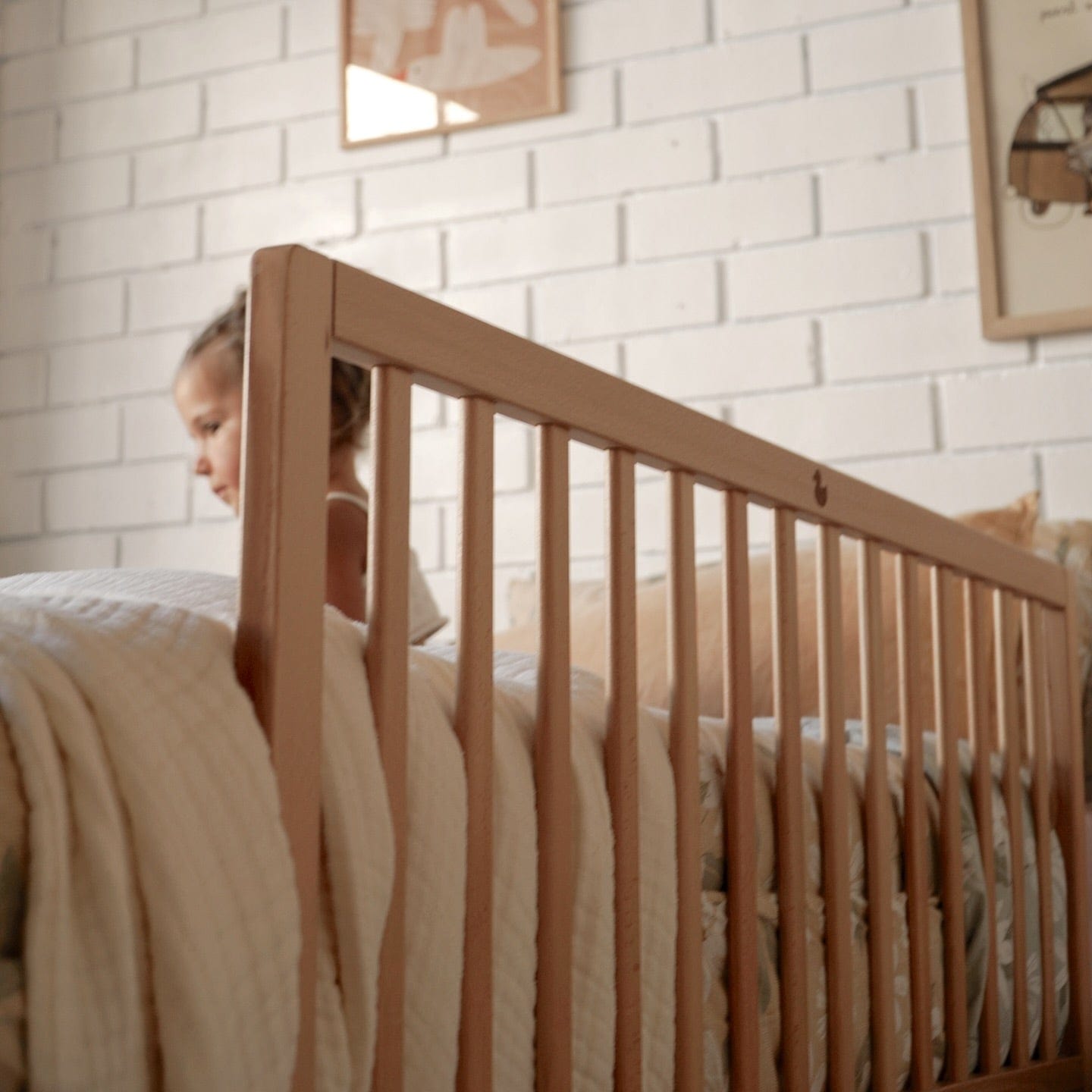
Every detail in the design follows from there, from the footrest and splayed anti-tip legs to the safety rail, thoughtfully positioned at chest height rather than chin height.
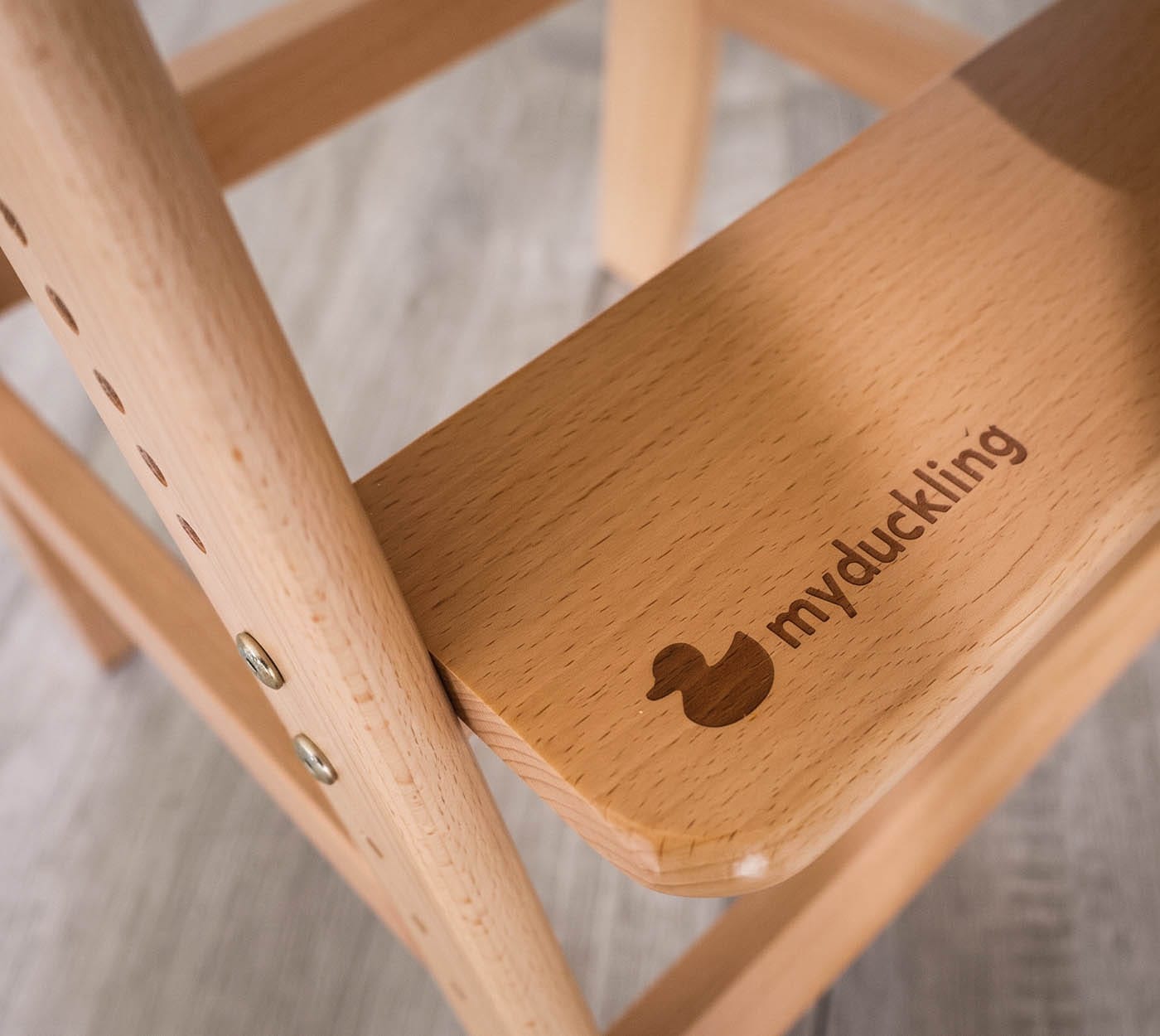
Tested like a toy, built like furniture
Safe by design
The corner is carefully rounded and hand-sanded because, for a smaller sibling, a footrest can sit right at forehead height.
Then there’s the safety you can’t see. In Australia, toys for children under 3 are subject to mandatory safety standards, while children’s furniture is not held to the same requirements. We choose to test our furniture to relevant toy safety standards anyway, including EN 71-3 migration testing, which screens for the migration of 19 elements that could be released if a child chews, scratches or mouths the surface.
read more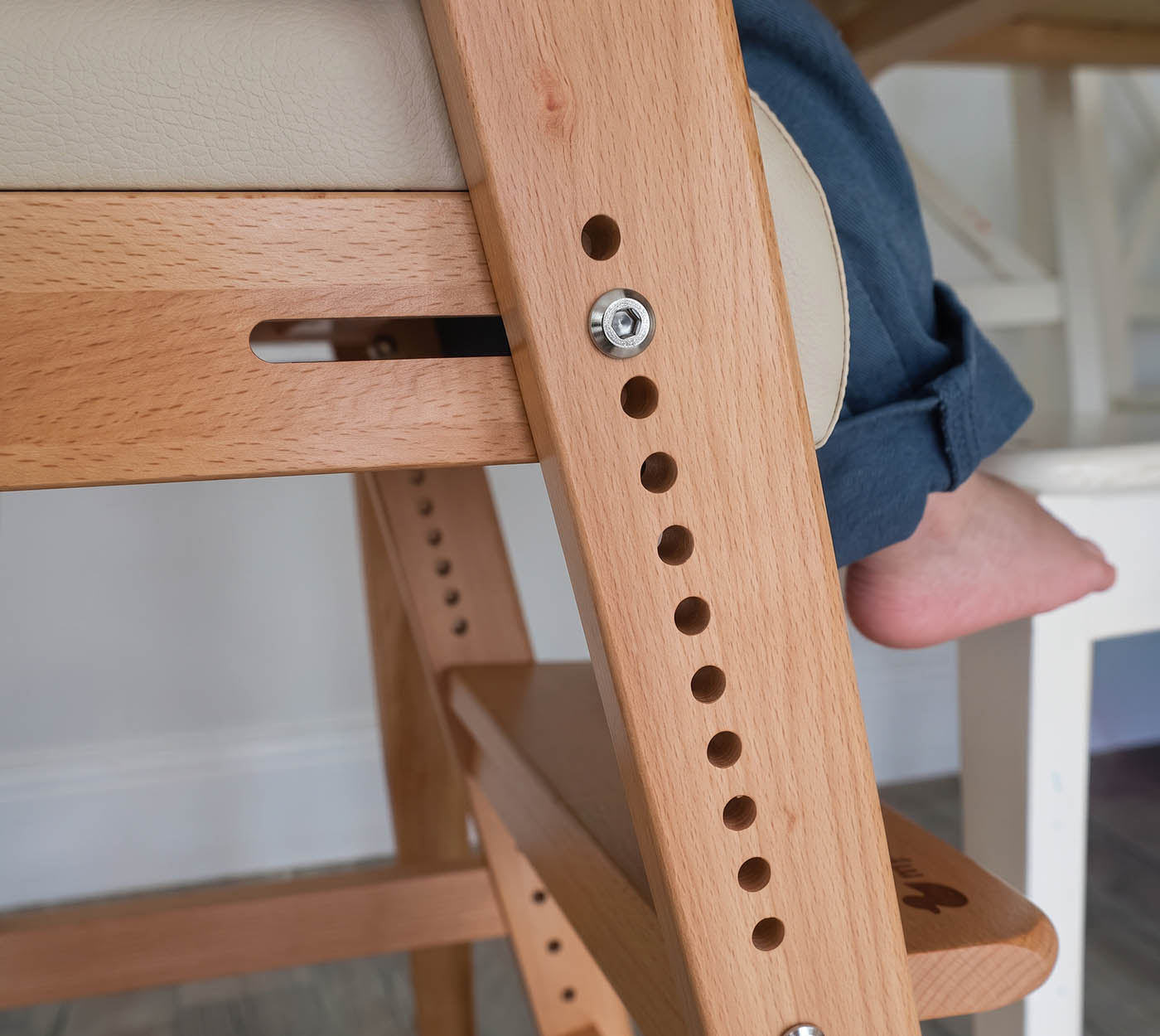
A ladder of small decisions
Set it again next year
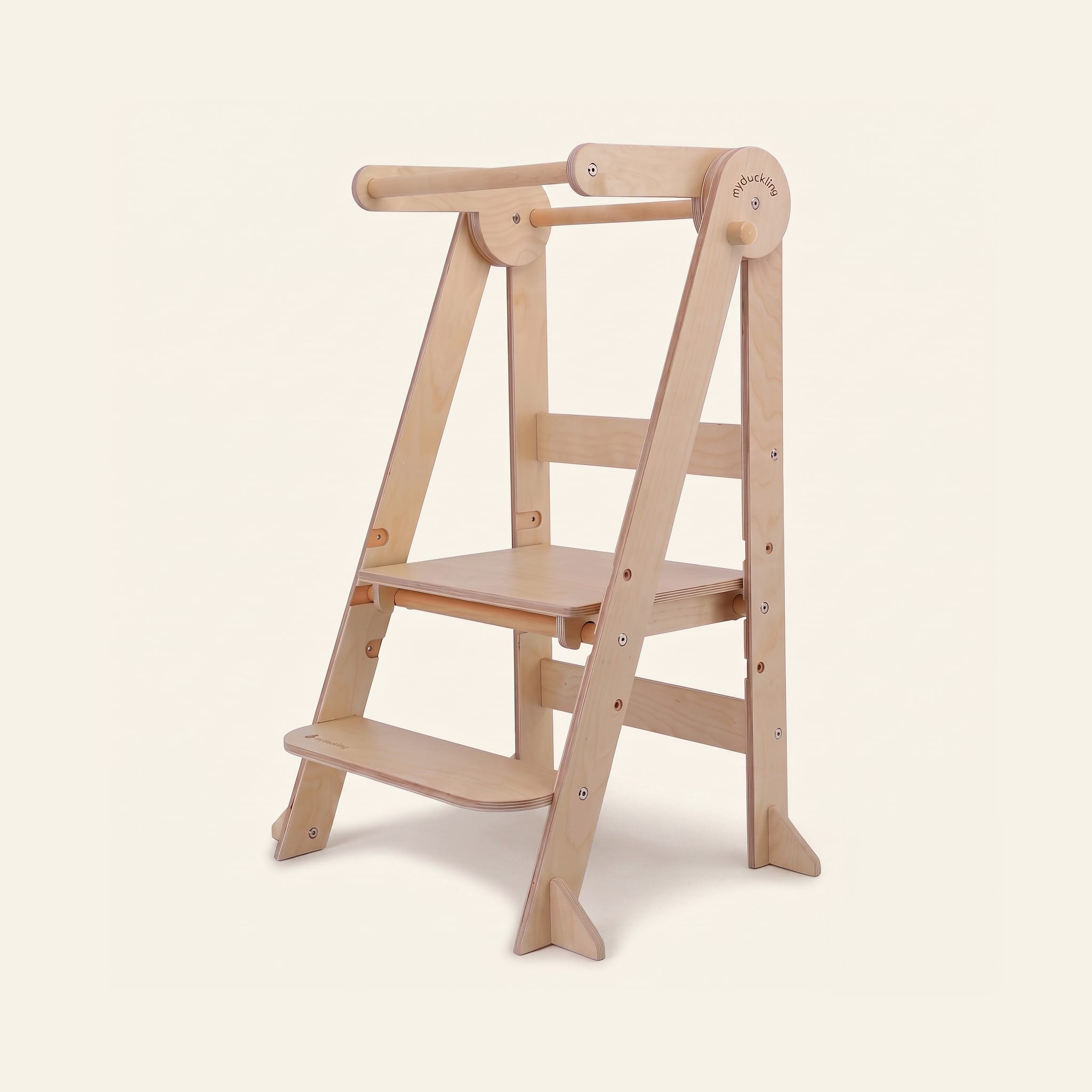
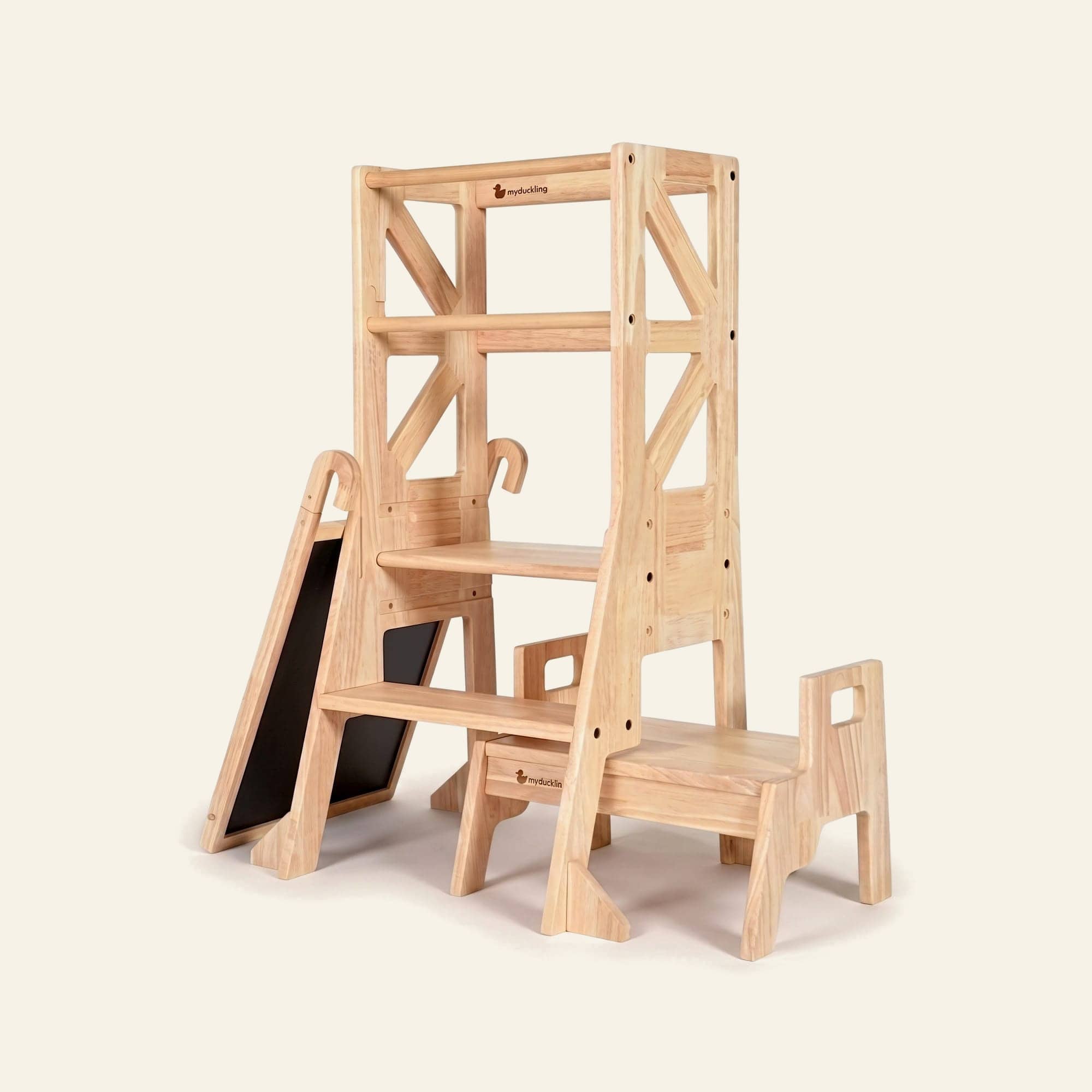
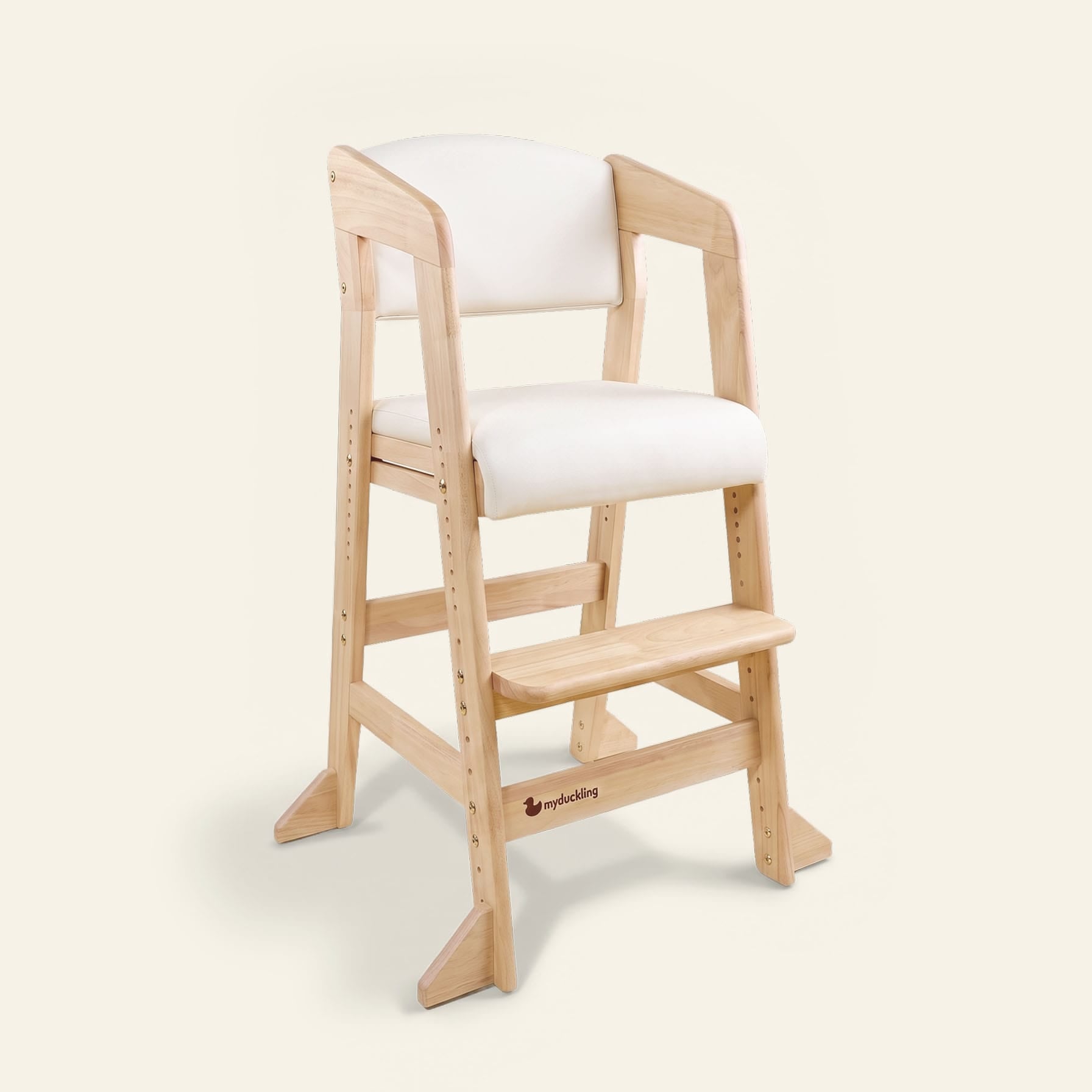
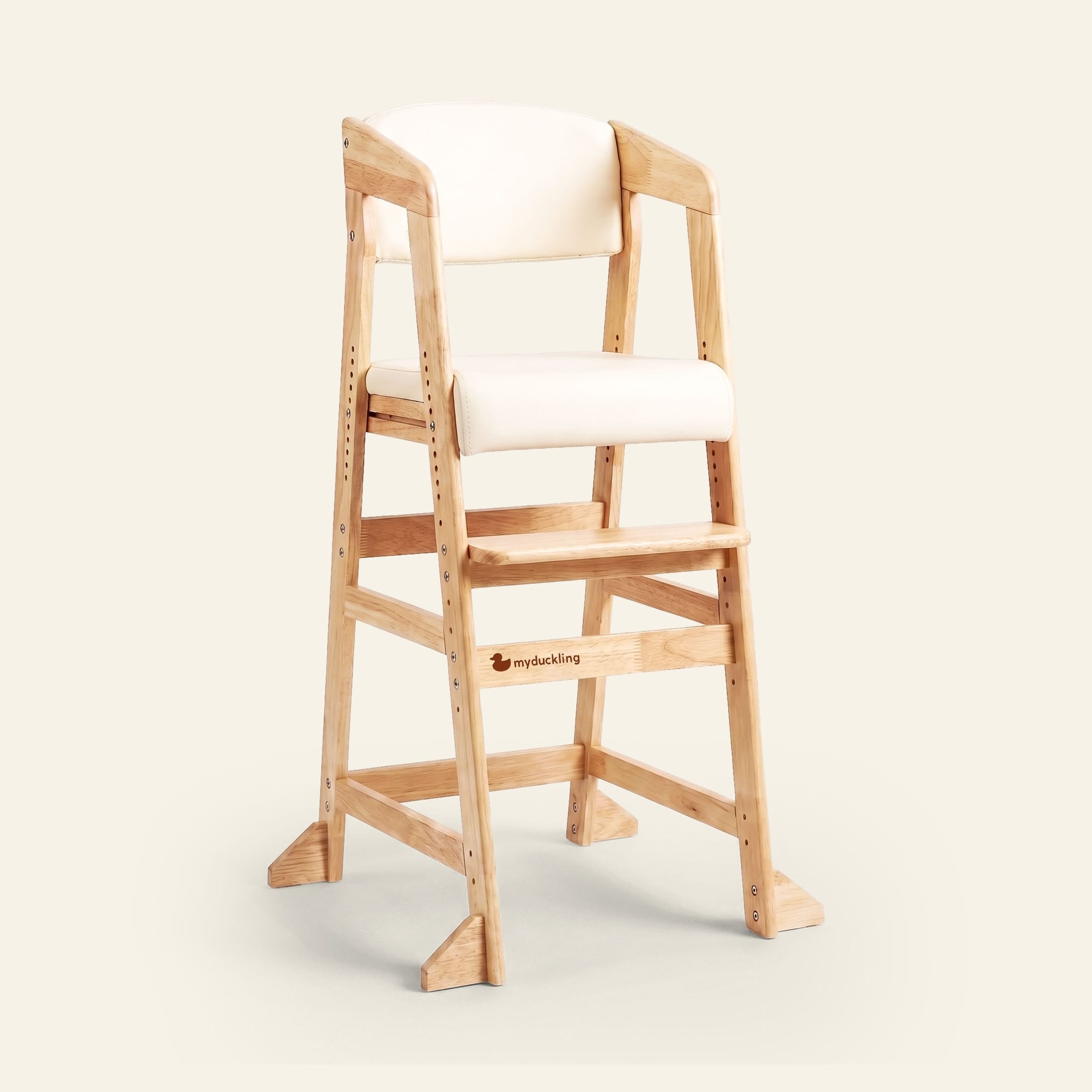
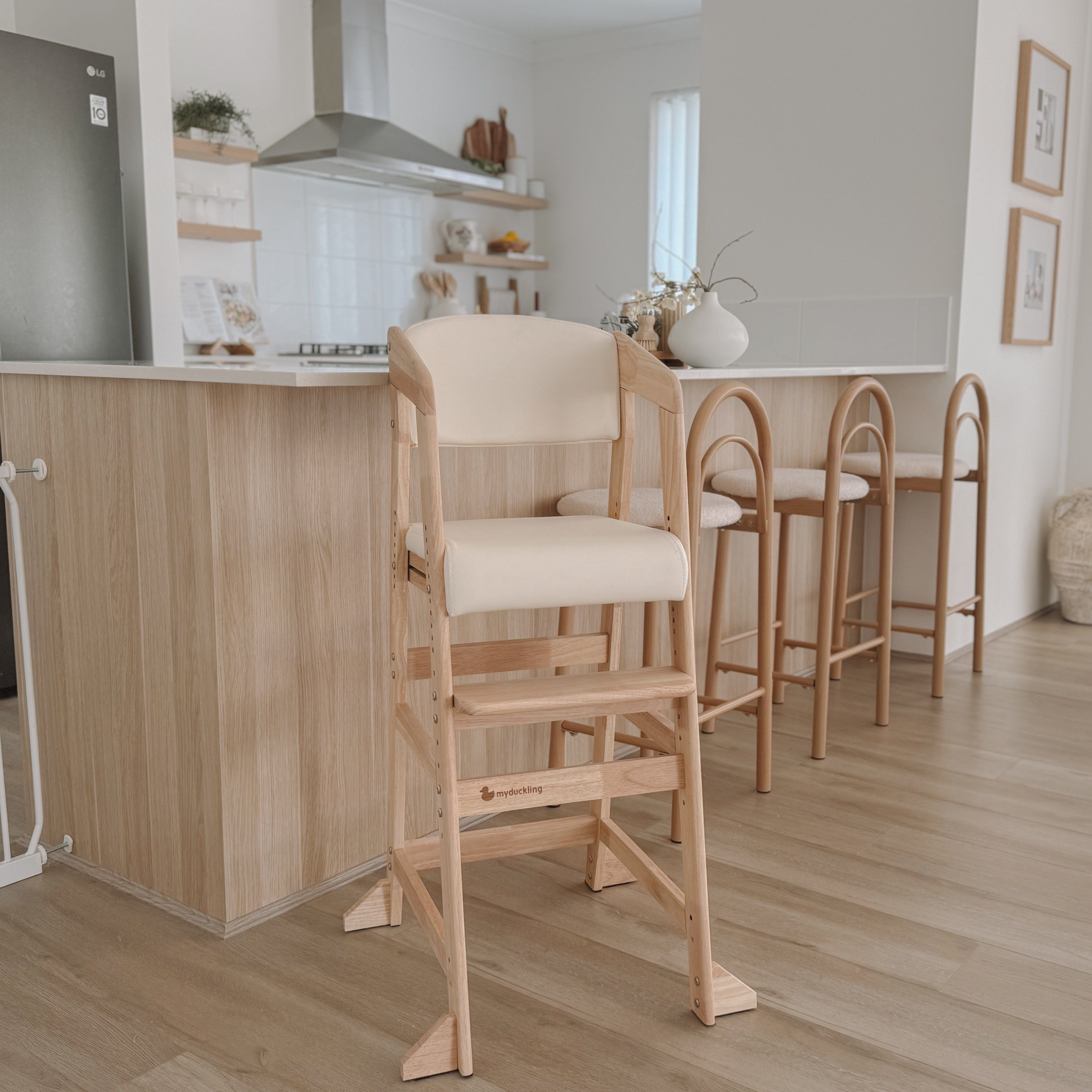
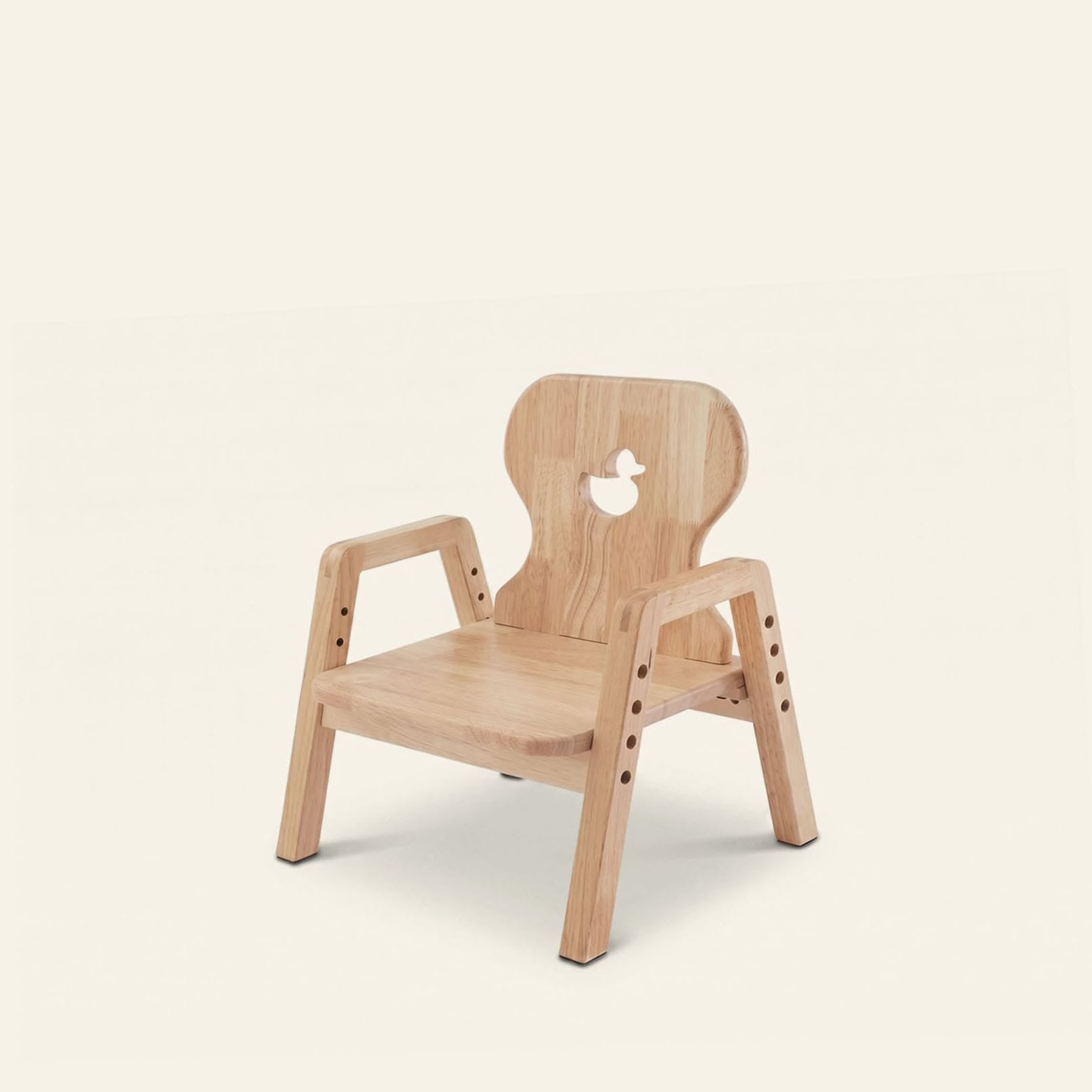
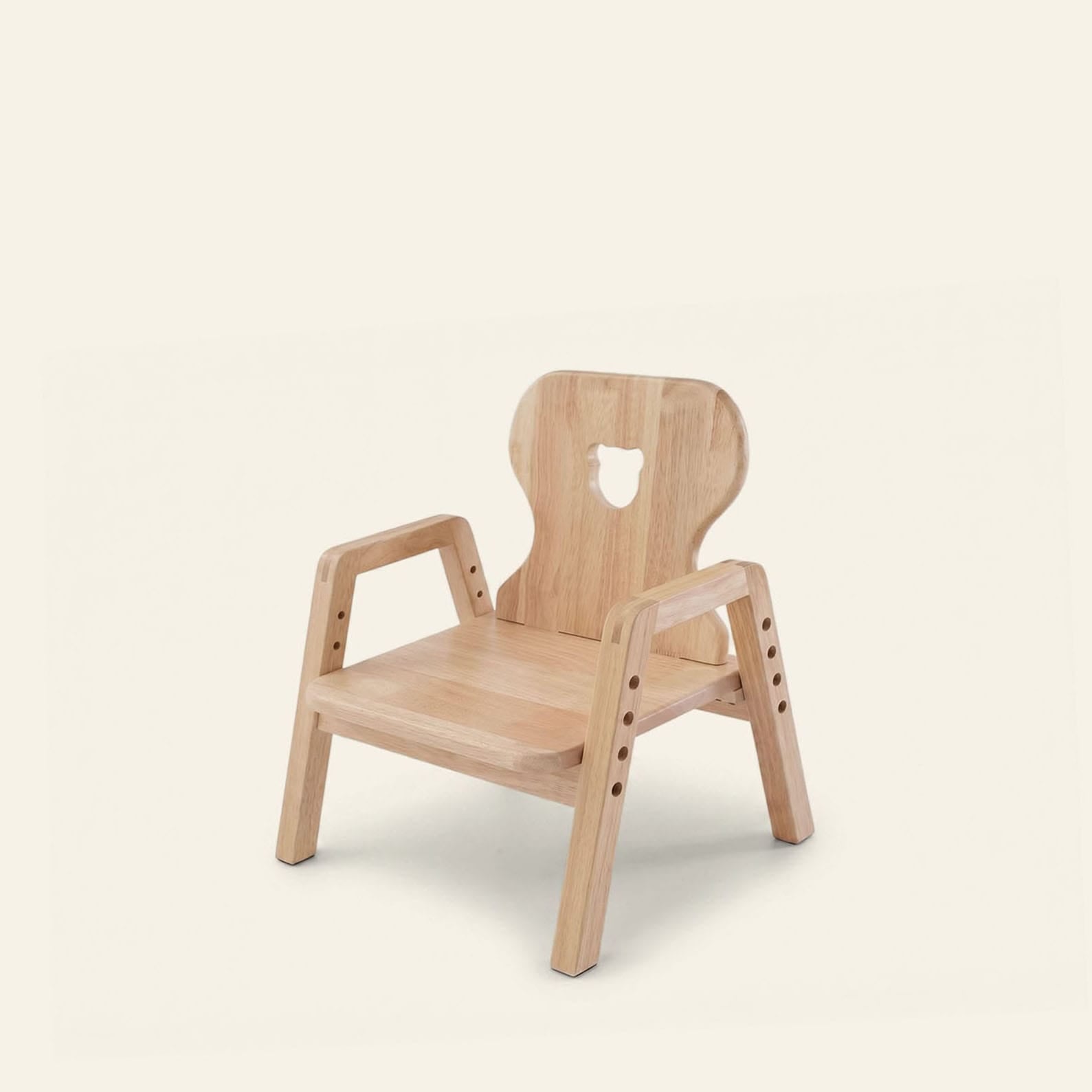
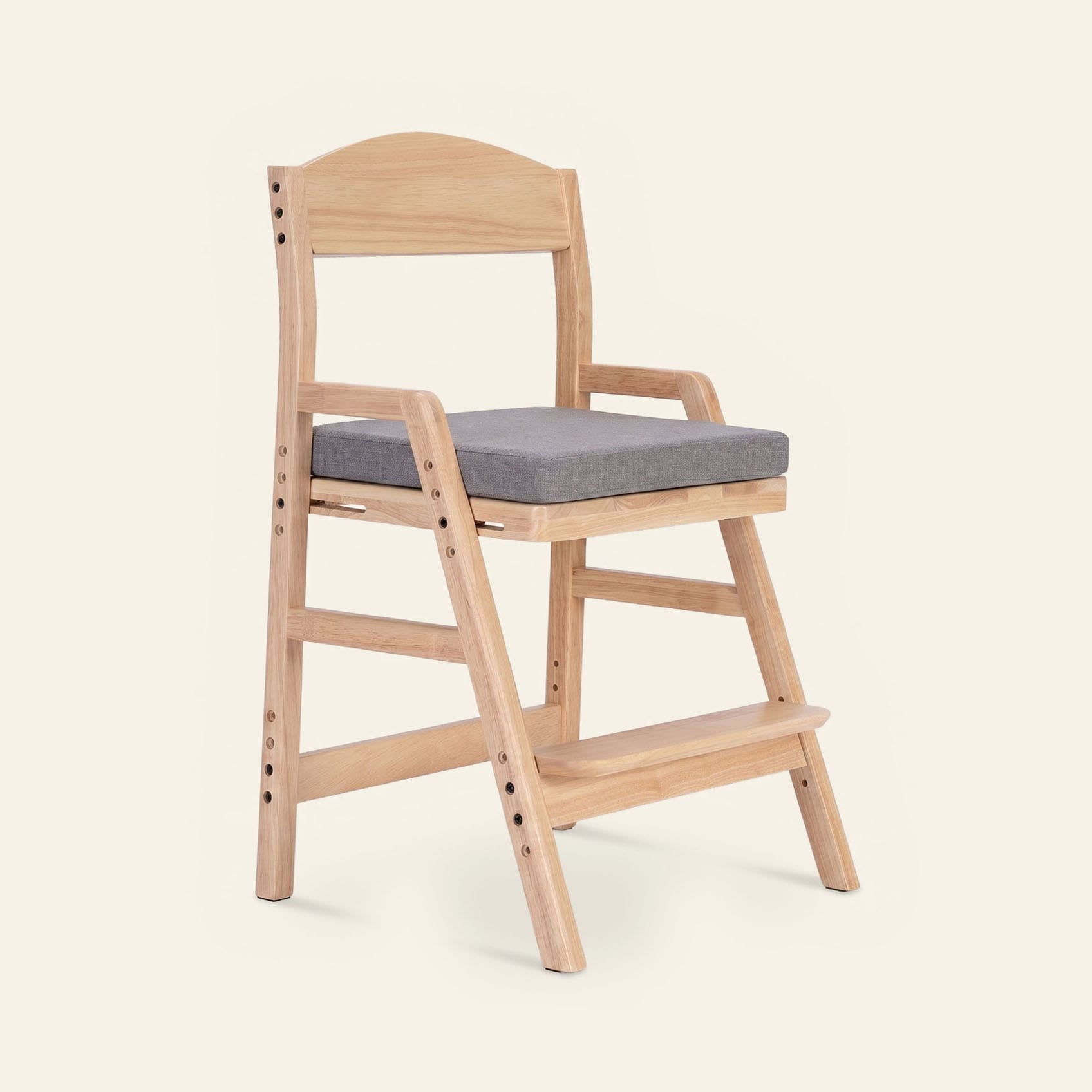
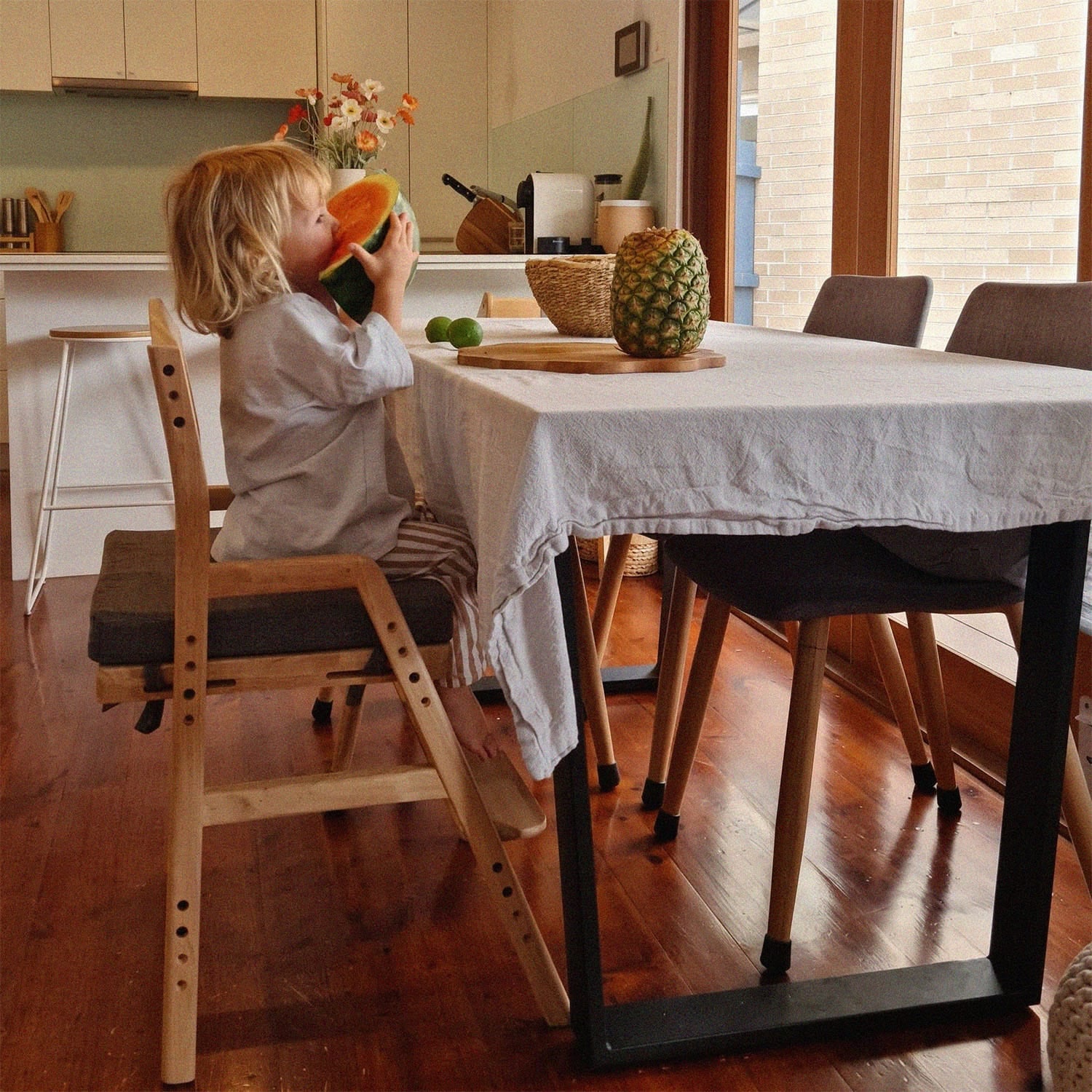
That column of holes may be easy to overlook, but it’s what helps the chair adapt as your child grows. Raise the seat, adjust the footrest, and little feet are supported again for a more comfortable sitting position.
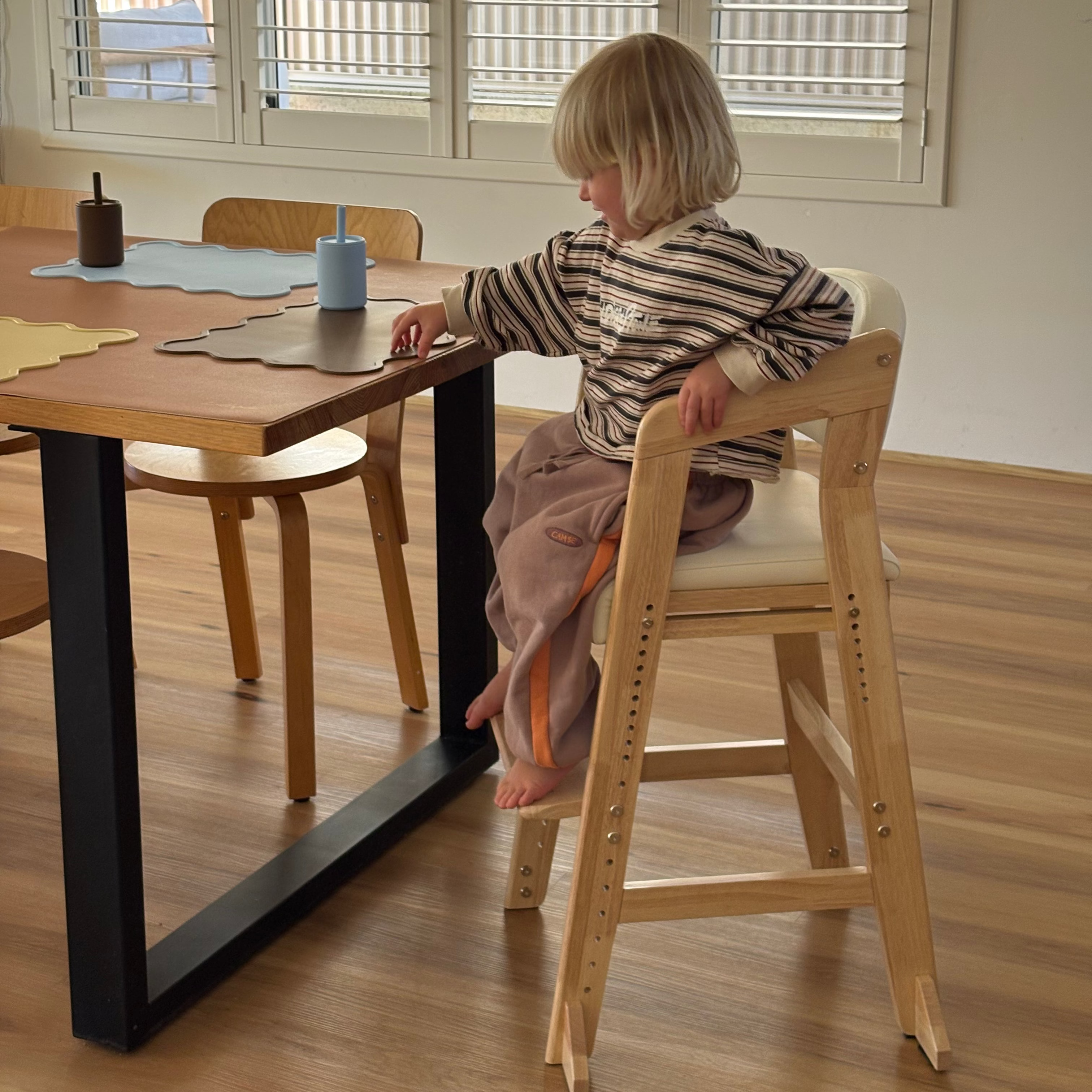
Adjustability is built into many pieces across our range. The AURORA Toddler Dining Chair, for example, offers eight seat heights and five footrest positions for a tailored fit through different stages.
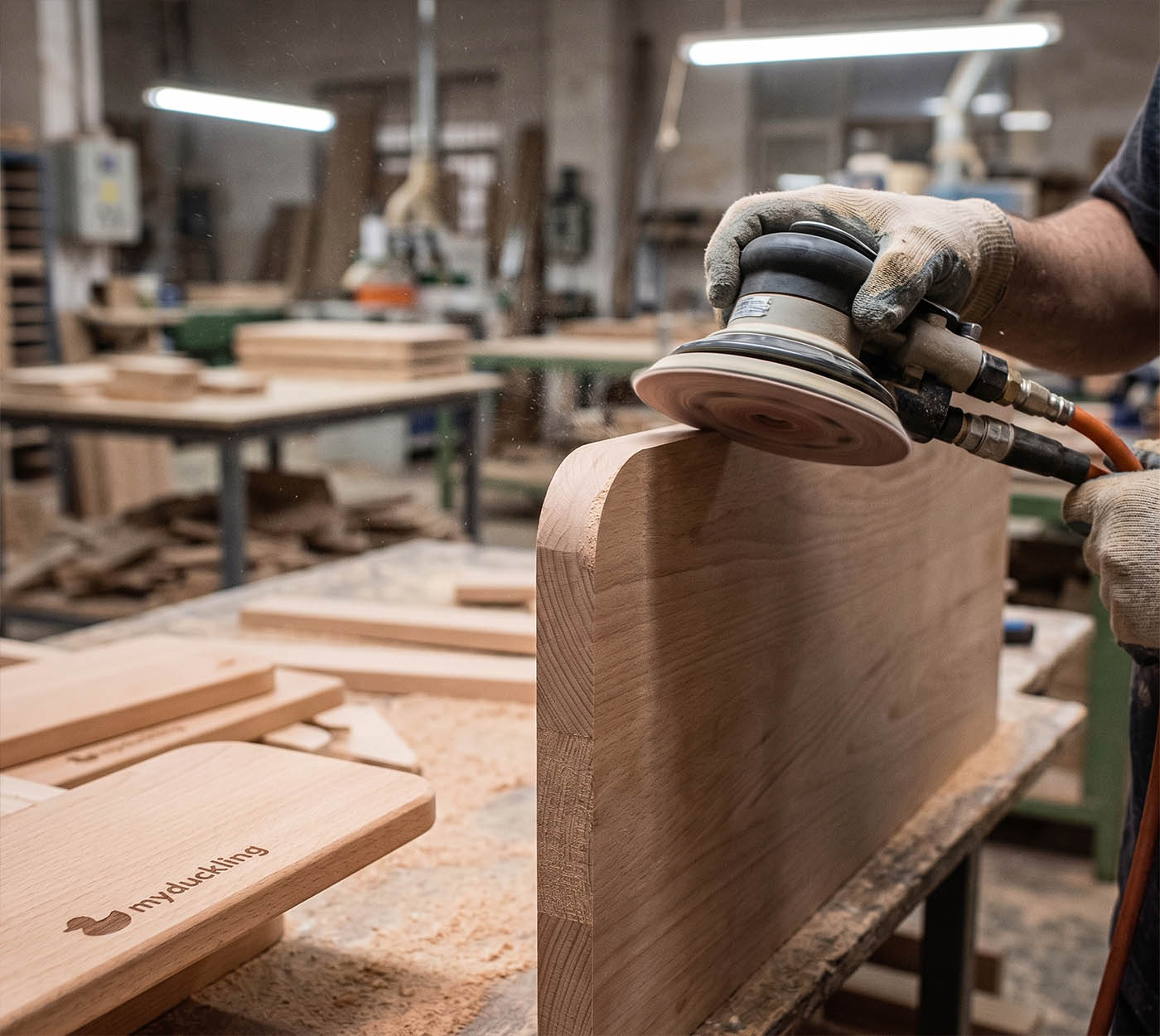
Where every piece starts
The materials we build with
Everything we make starts as timber on a workbench and ends with careful hands smoothing every edge and corner, because those small details matter when furniture is made for children.
We work with four different woods, choosing each one for the job it needs to do, considering its strength, durability and purpose, rather than simply choosing the easiest material to shape.
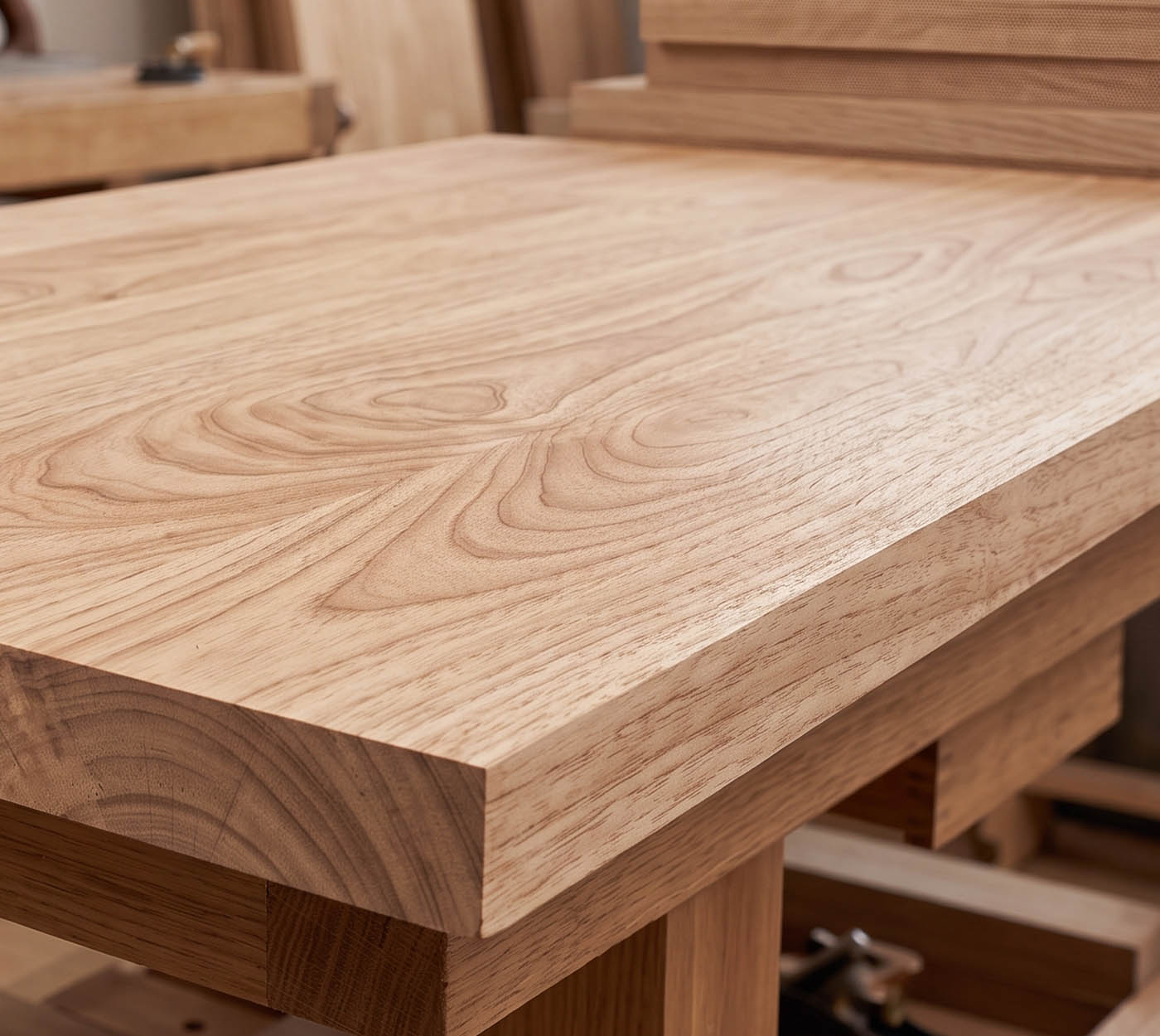
The one that stays put
Solid, and you can see it
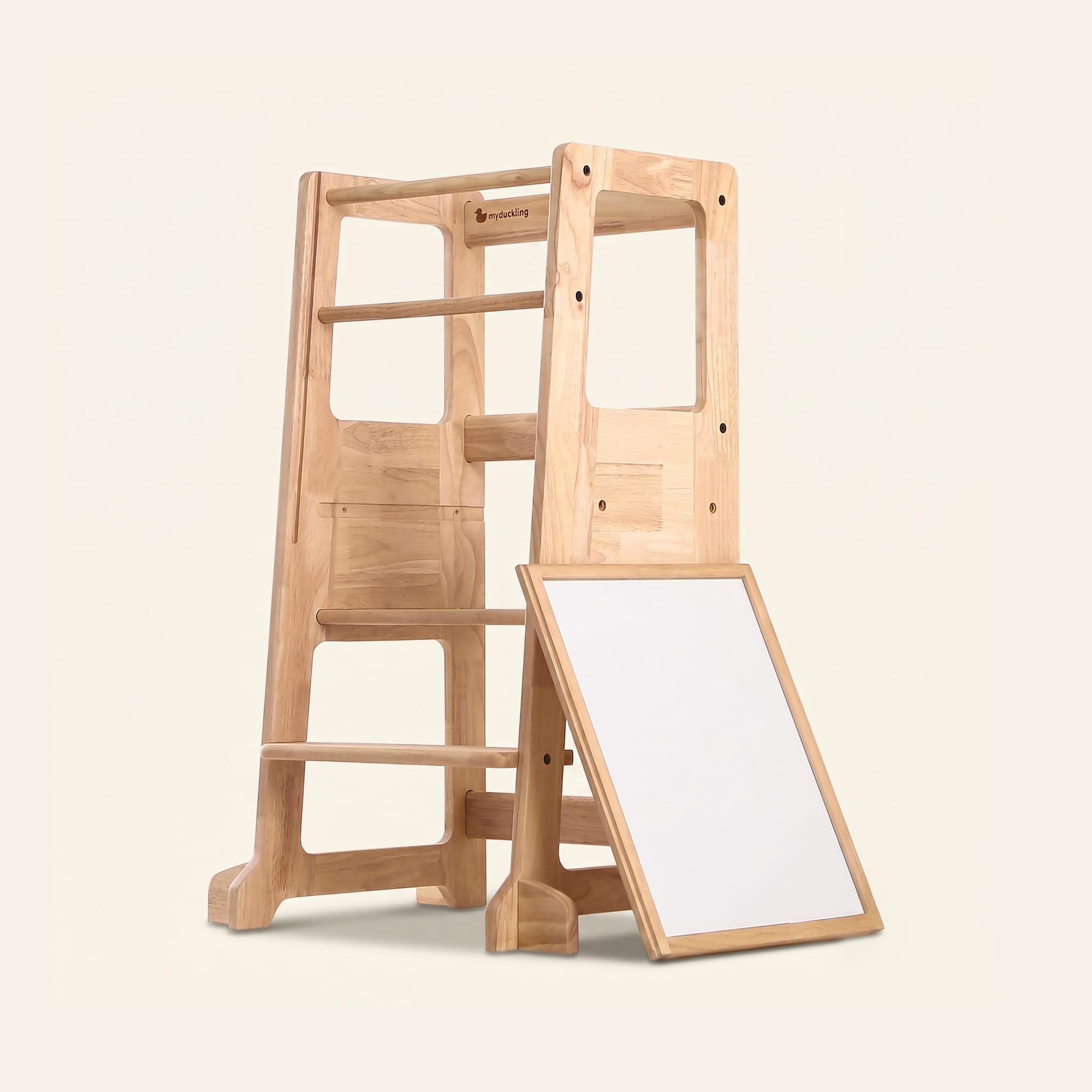
Look closely at the edge and you’ll see narrow boards joined side by side, carefully planed and sanded until the joins become part of the grain. That’s solid rubberwood, a genuine hardwood with a naturally straight grain and warm, light tone that can deepen over time.
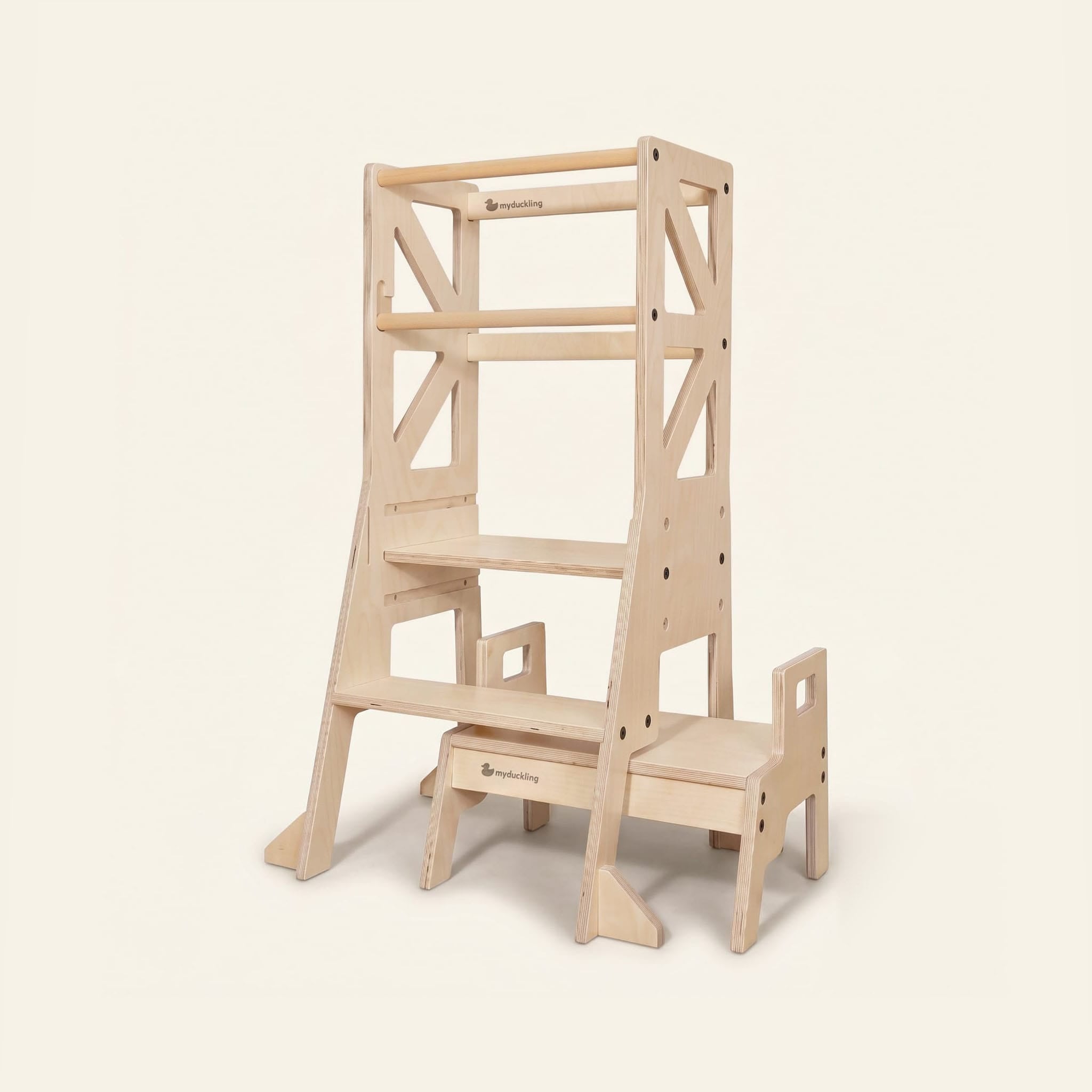
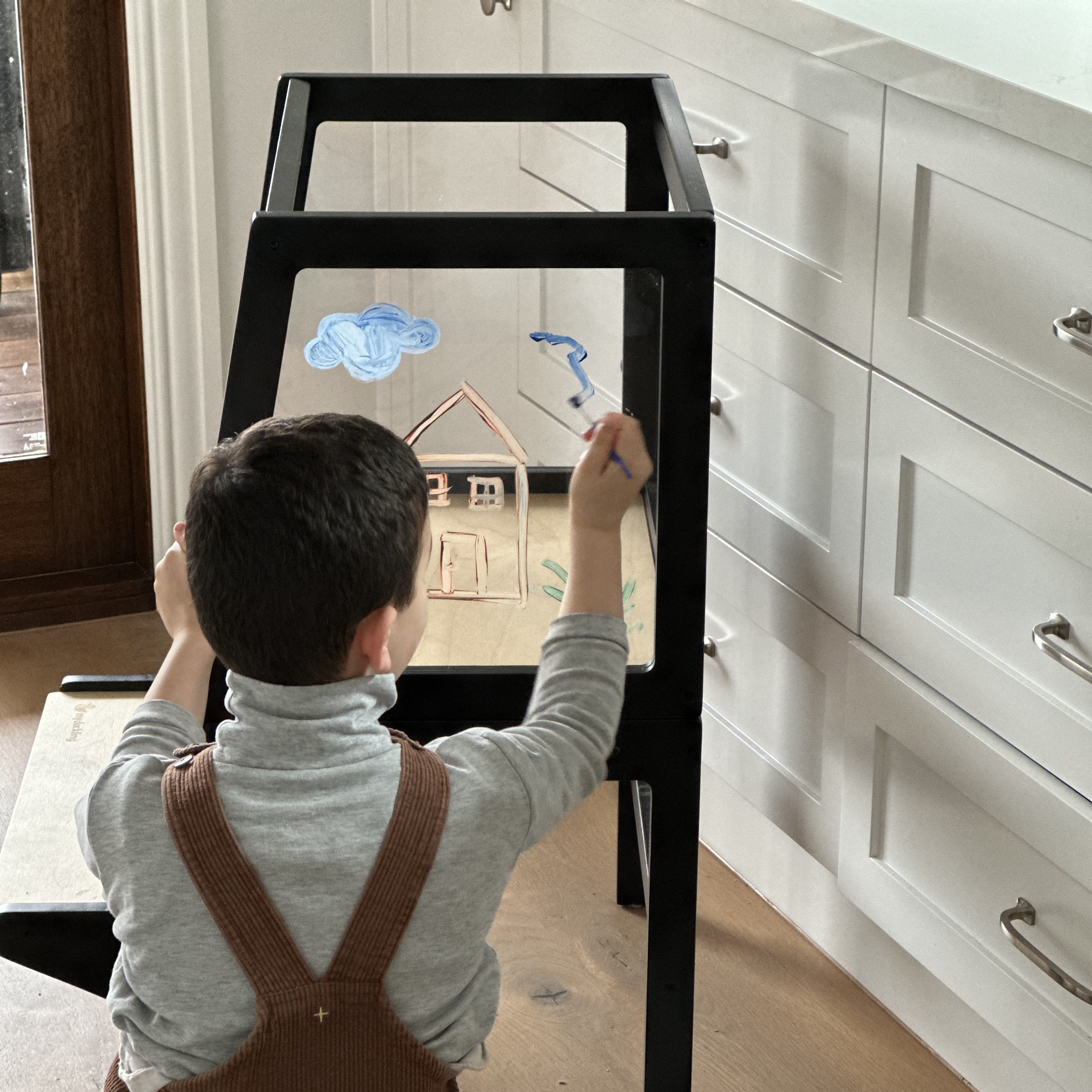
It offers a considered balance of strength, stability and manageable weight. Our solid rubberwood learning tower, for example, weighs 8kg, substantial enough to provide a sturdy base during everyday use, while still being practical for an adult to reposition when needed.
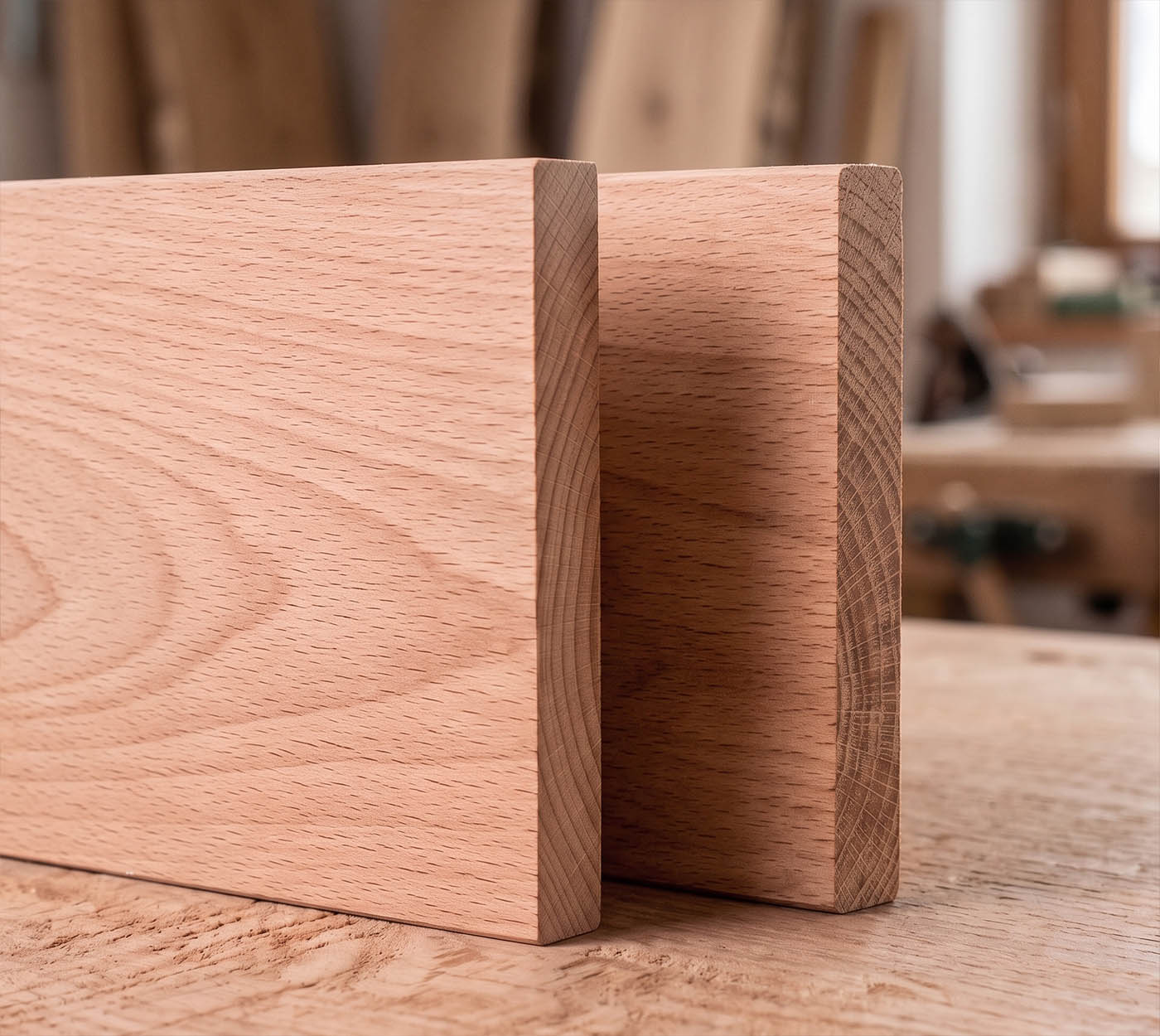
The one that takes the load
Where the forces go
Look closely at beechwood and you’ll see a fine, tight grain with subtle natural rays running through the timber. That dense structure gives solid beechwood its strength and durability, making it well suited to furniture designed to handle active everyday use.
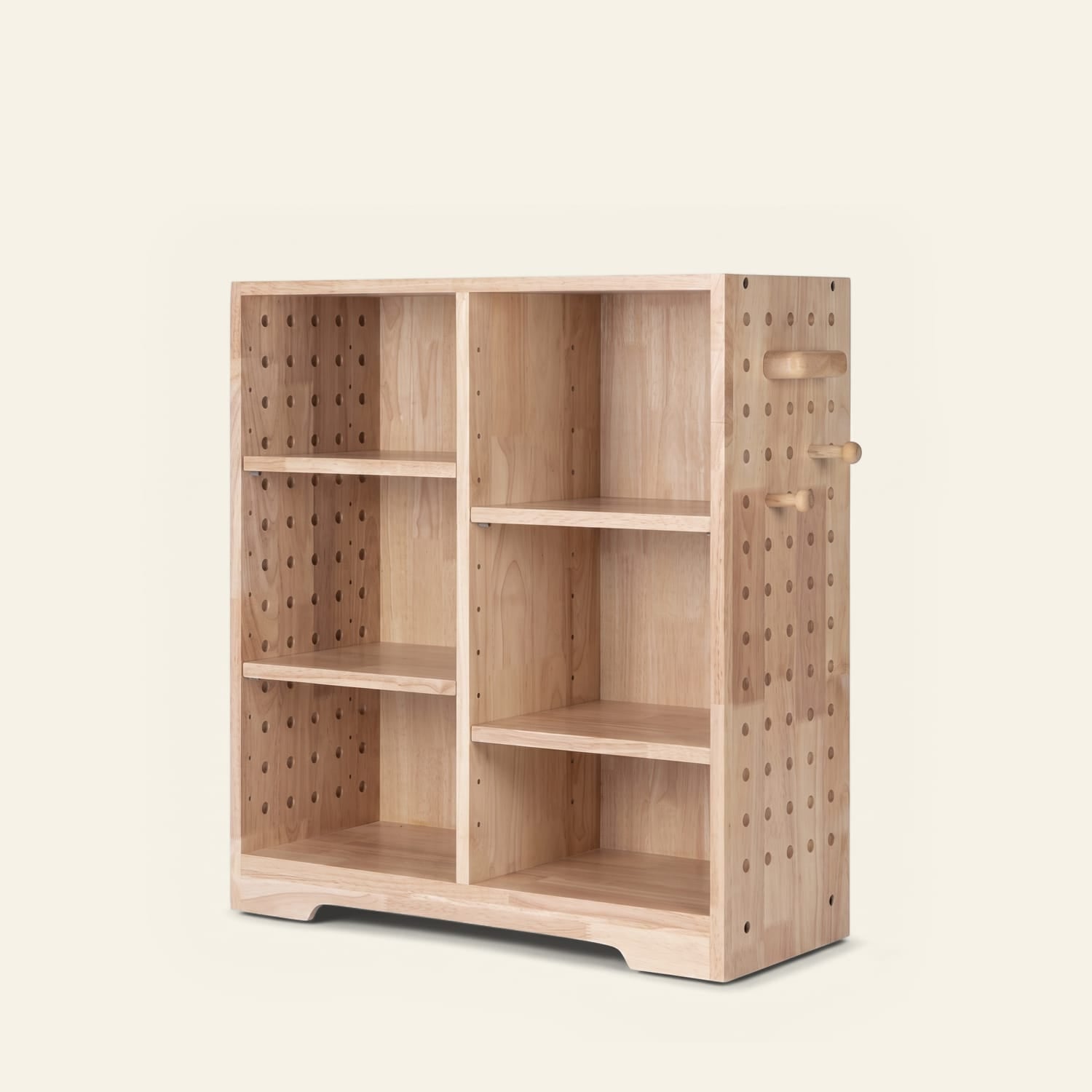
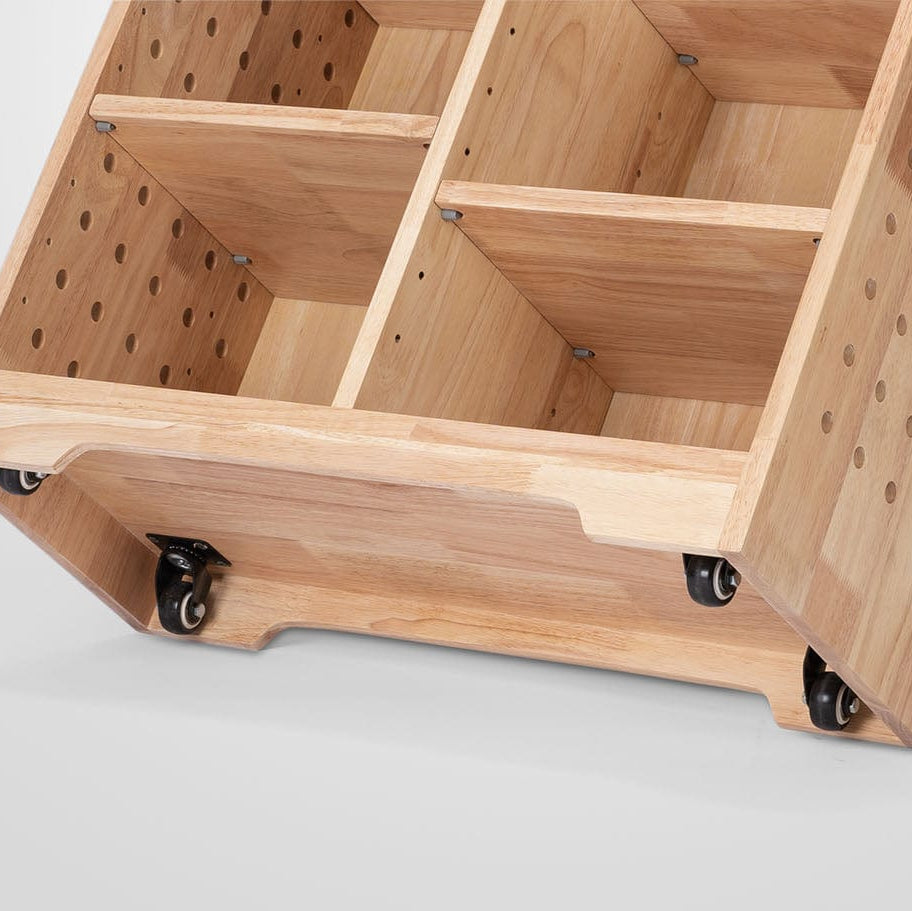
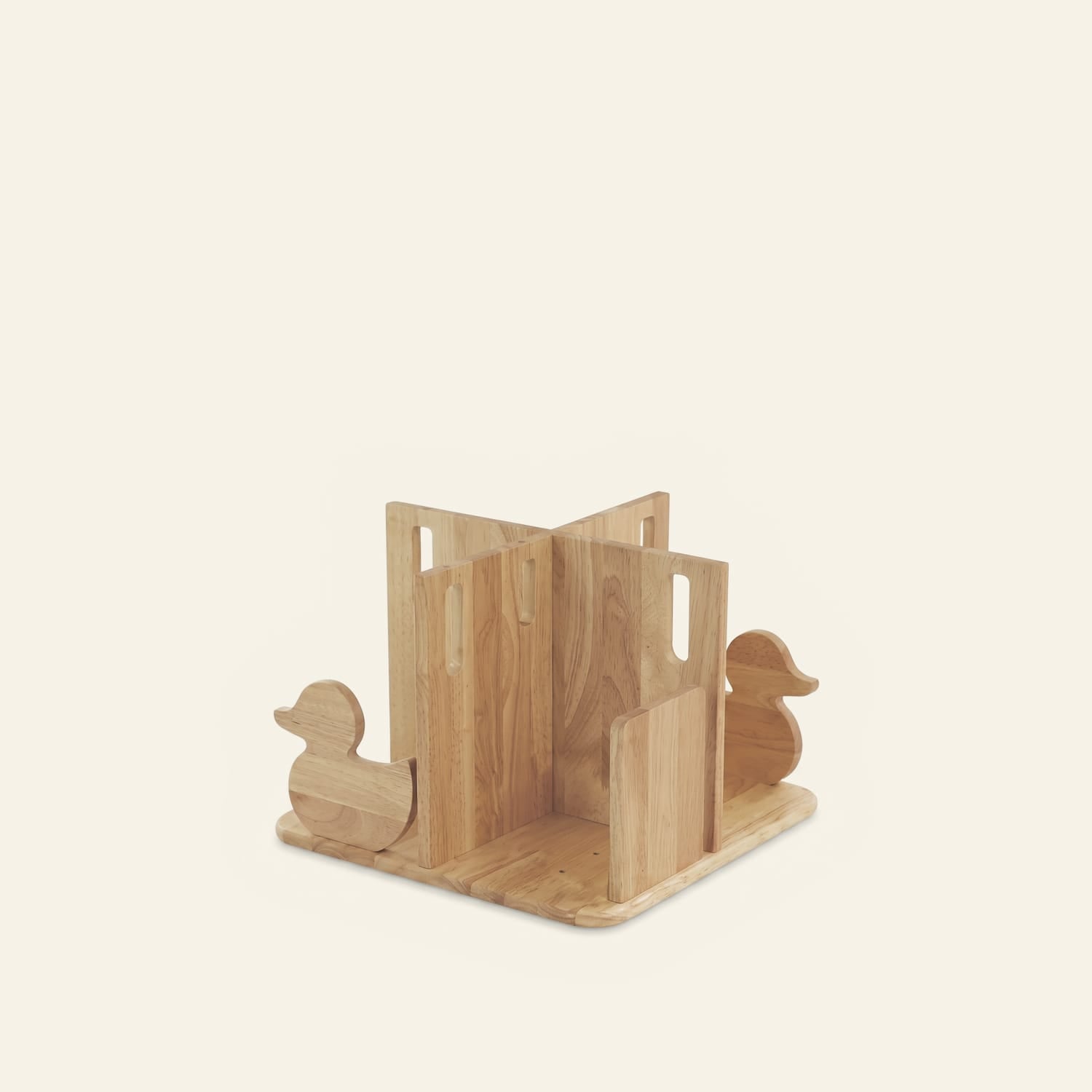
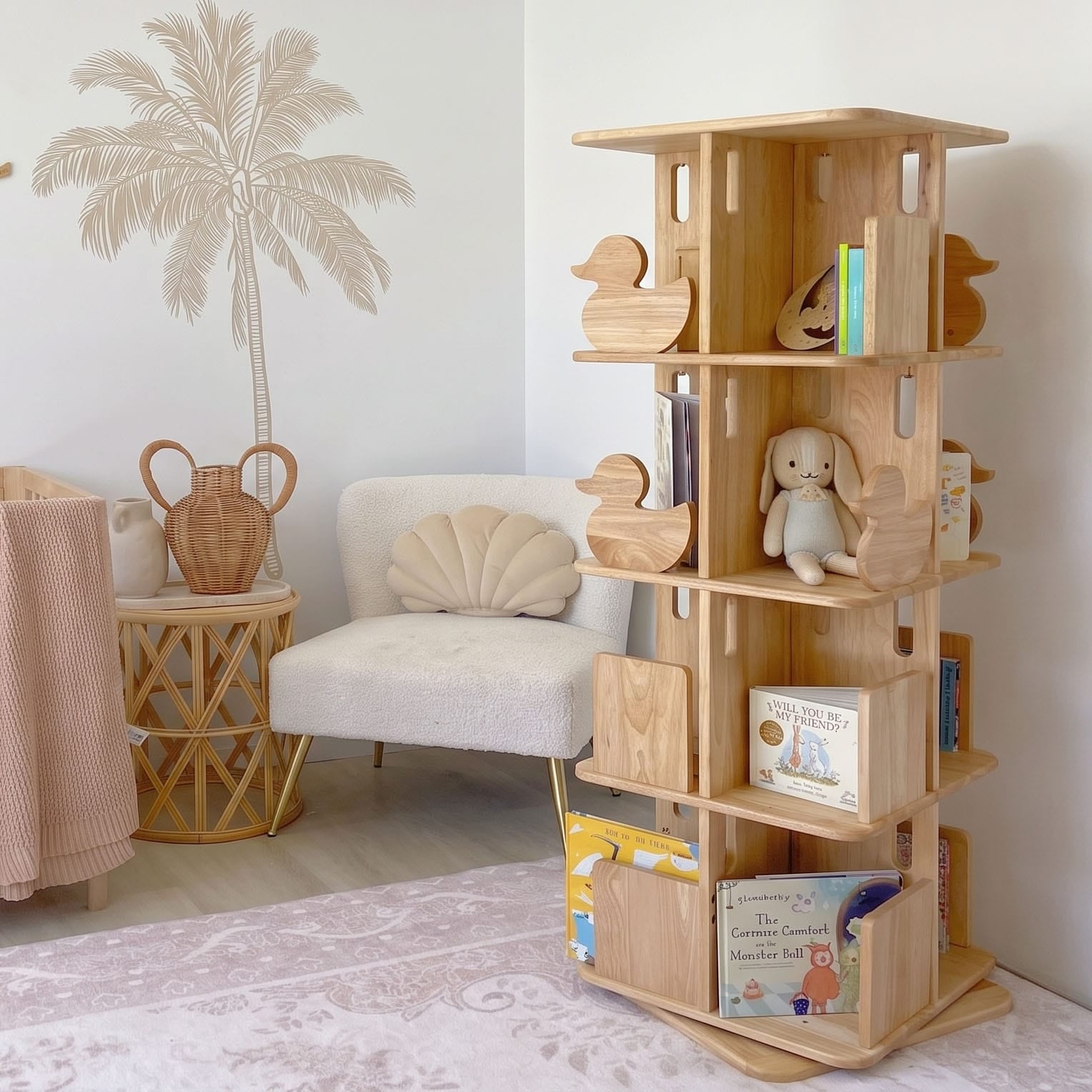
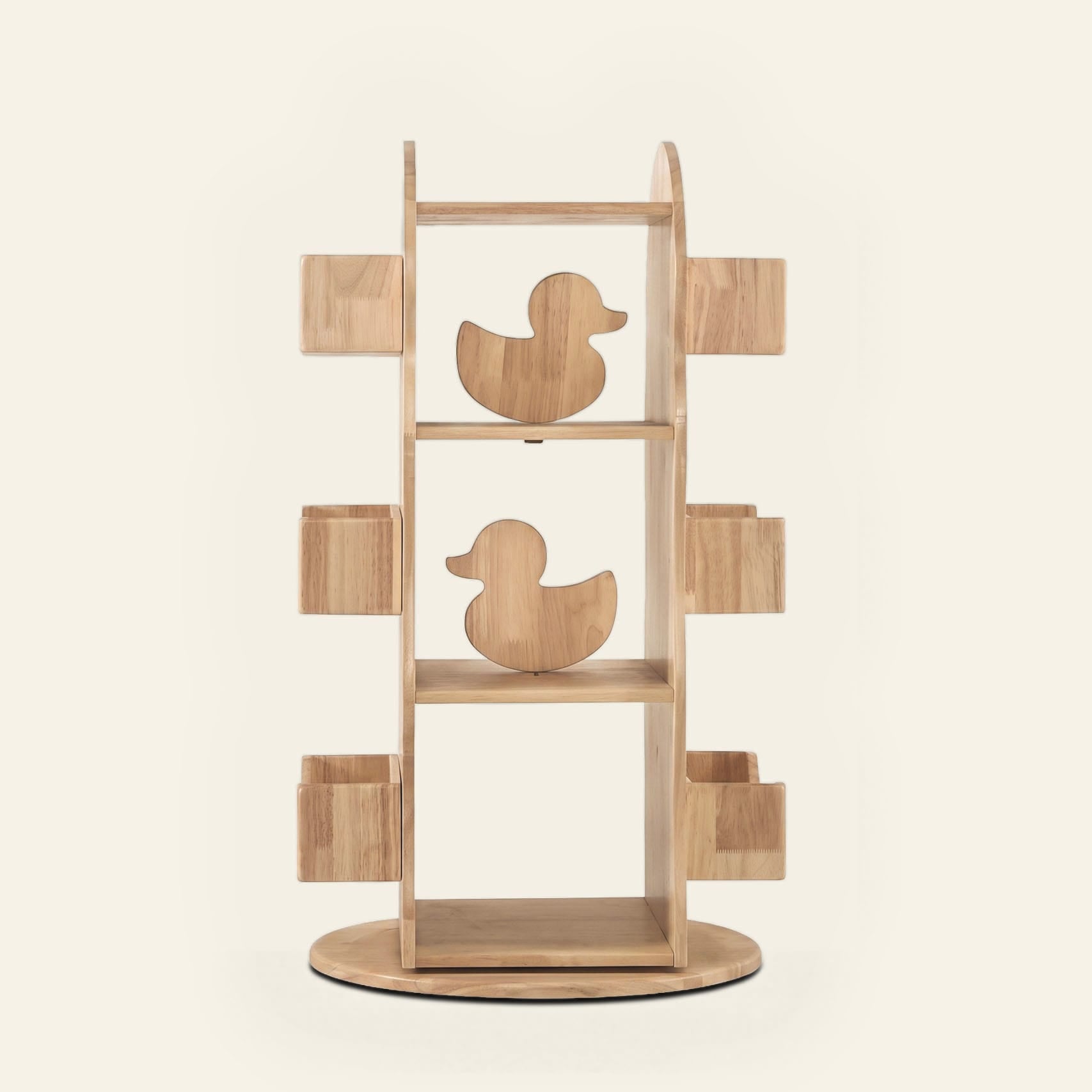
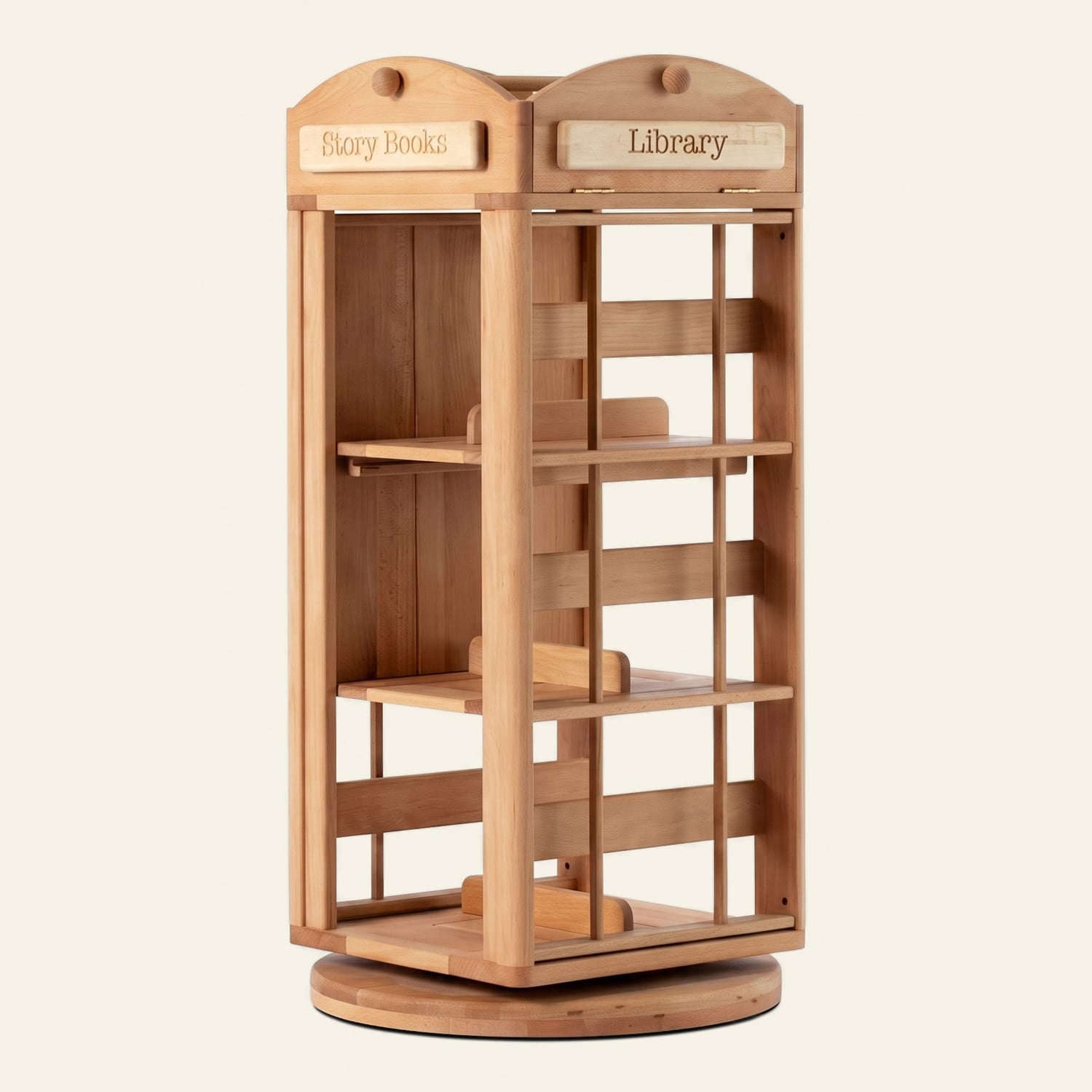
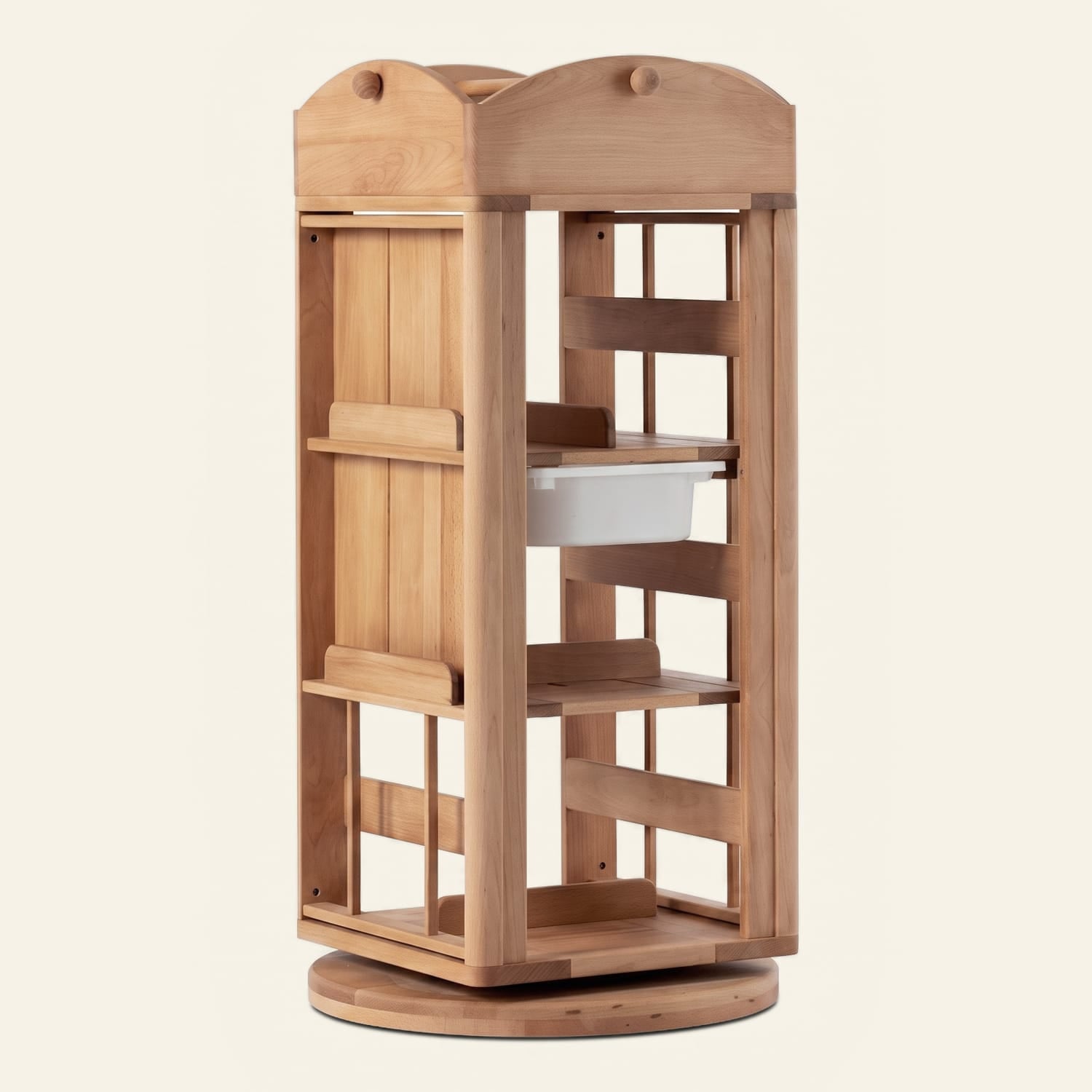
It’s the wood we choose when a piece needs to work particularly hard. You’ll find solid beechwood across products such as our LOLA Pro Learning Tower, AURORA Pro Dining Chair and OLI Library Revolving Bookcase - London, where strength, stability and long-lasting construction are especially important.
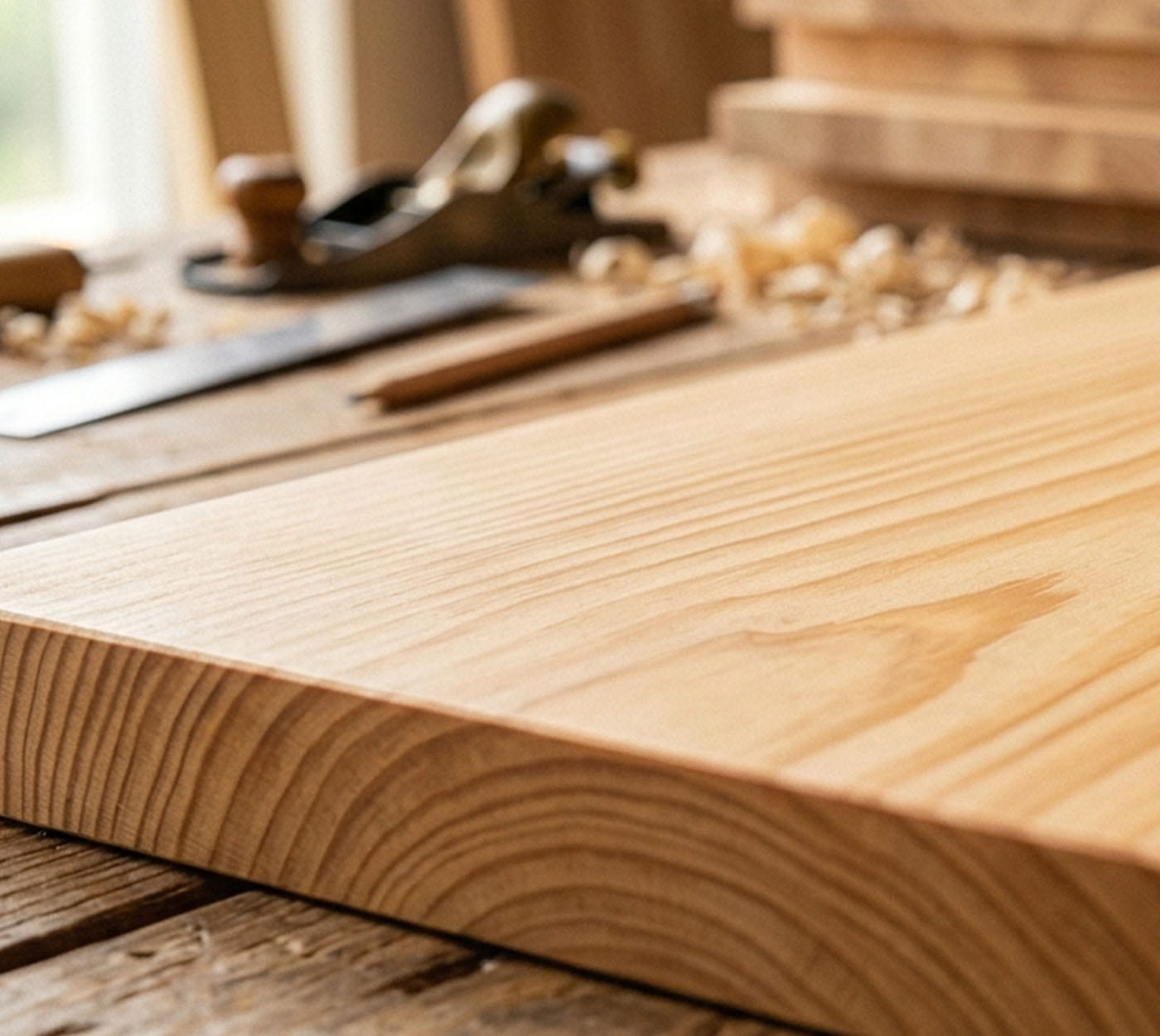
The lightest one
Warm, pale, easy to live with
Pine is the one that still smells like a workshop the moment it's cut.
It comes up pale and honey-warm, with long straight grain you can follow the length of a board. It makes a room feel lighter, not heavier.
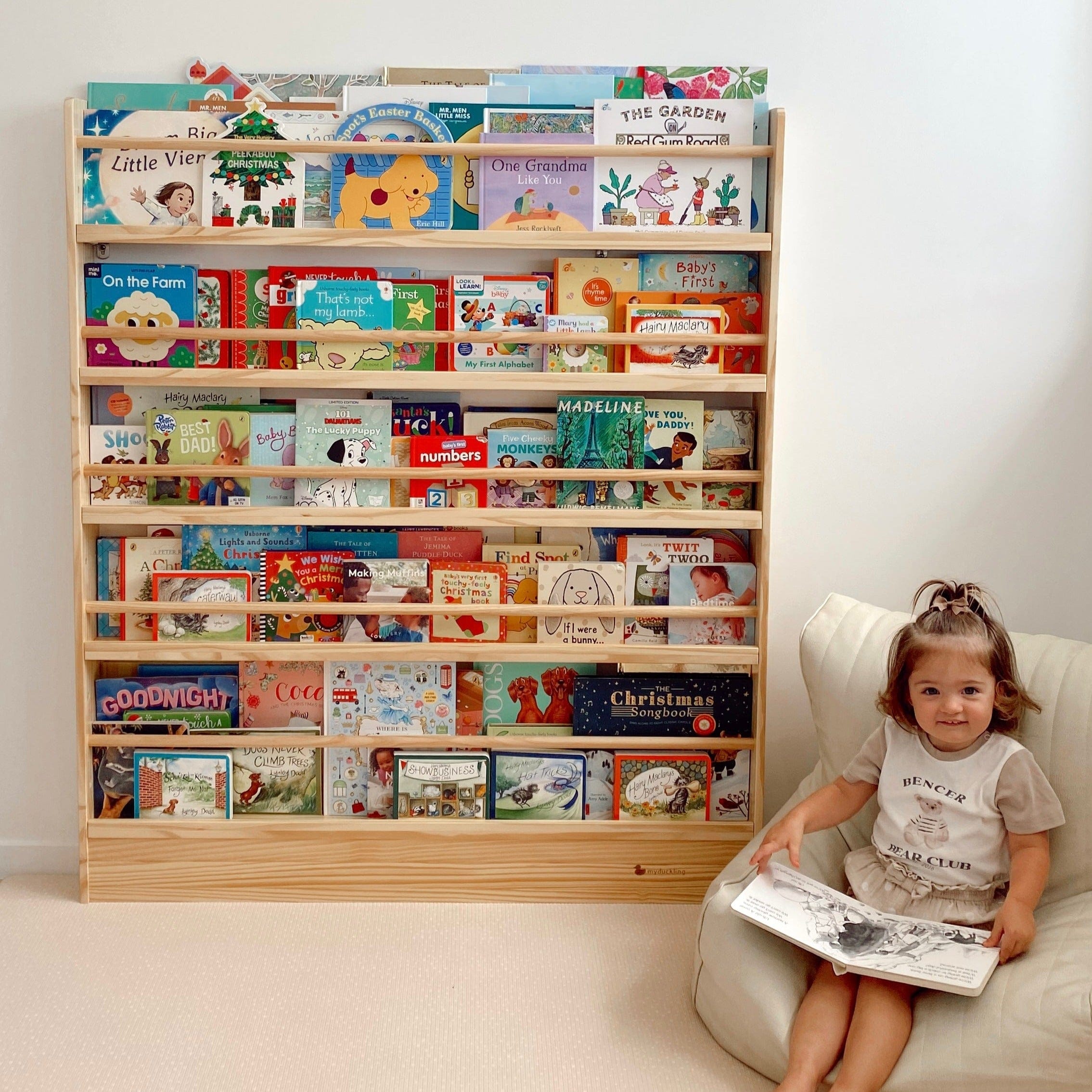
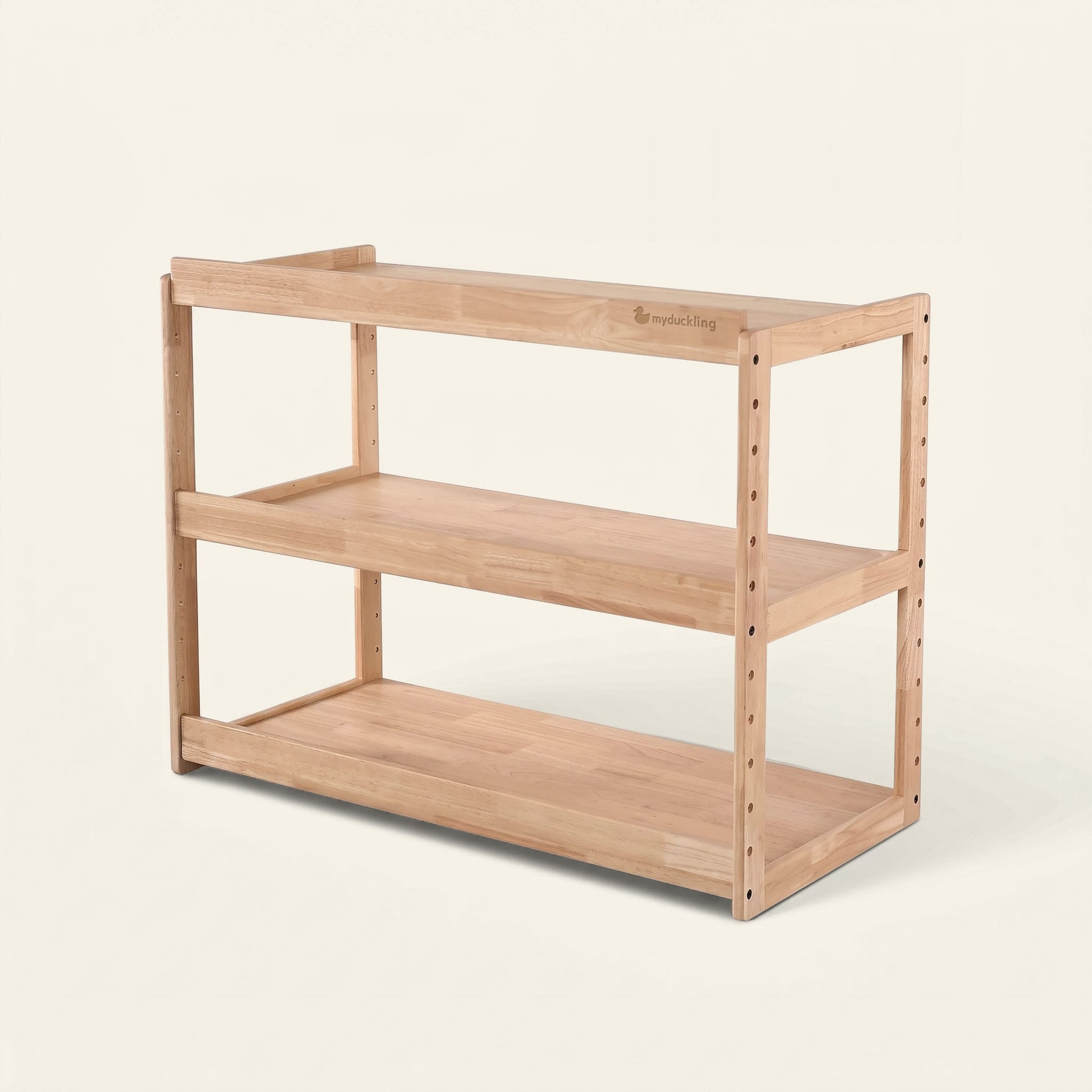
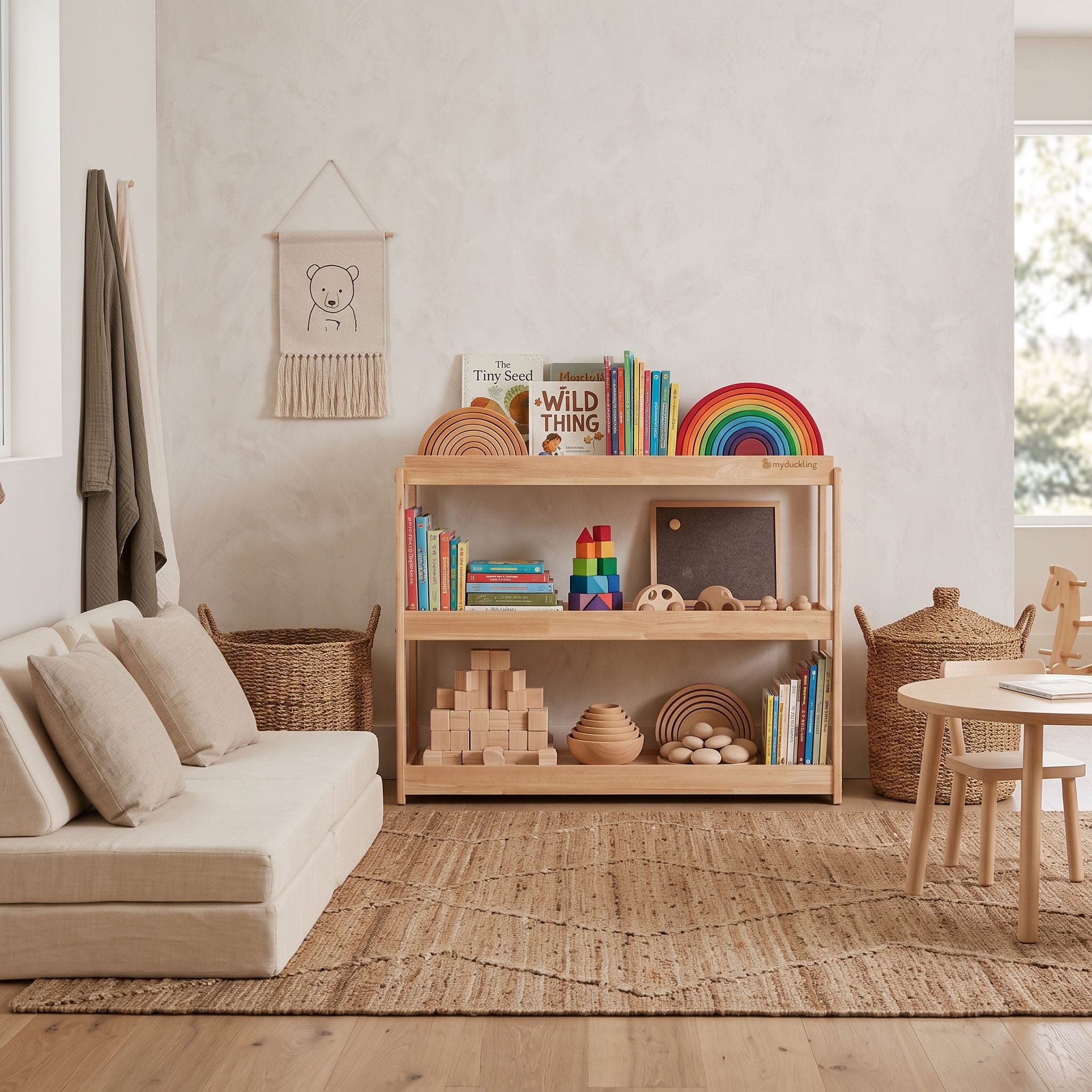
It's light to handle, too, which is why it's the timber for our NALA Adjustable Bookshelf: easy to carry in and stand where you want it, then anchored to the wall to hold a whole library, covers-out, at your child's own height.
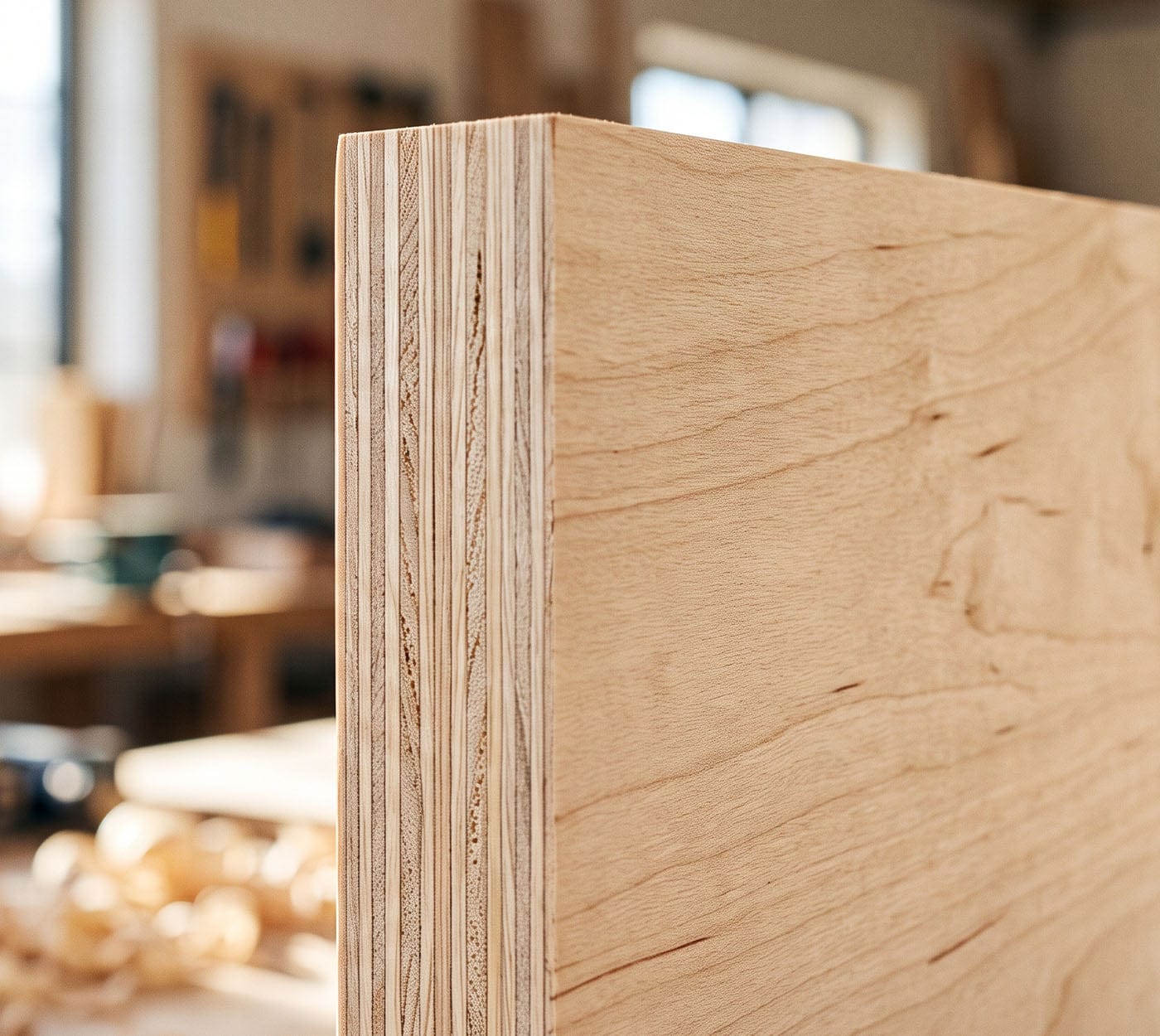
Nothing hidden inside
What lets a shape get clever
Plywood is what makes our adjustable designs possible. Thin layers of real wood are laid in alternating directions and bonded together, creating a strong, stable panel that helps moving and adjustable parts stay aligned through everyday use.
Look closely at the edge and you can see how it’s made. Each layer of real wood has its own natural colour, grain, and character, creating the subtle variations in tone you see throughout the plywood. No two layers are exactly alike, and together they give each panel its own unique character.
Layer upon layer of real wood. No MDF, no particleboard.

The piece you don't replace
Slow wood, slow furniture
A seedling this size won't become furniture for another forty years. That's the real timescale of the material we work with and it shapes the way we design.
We choose wood with longevity in mind, create adjustable settings that keep up as children grow, and design timeless shapes made to be enjoyed by the next child, too.
One of the greenest choices is a piece nobody has to buy twice.




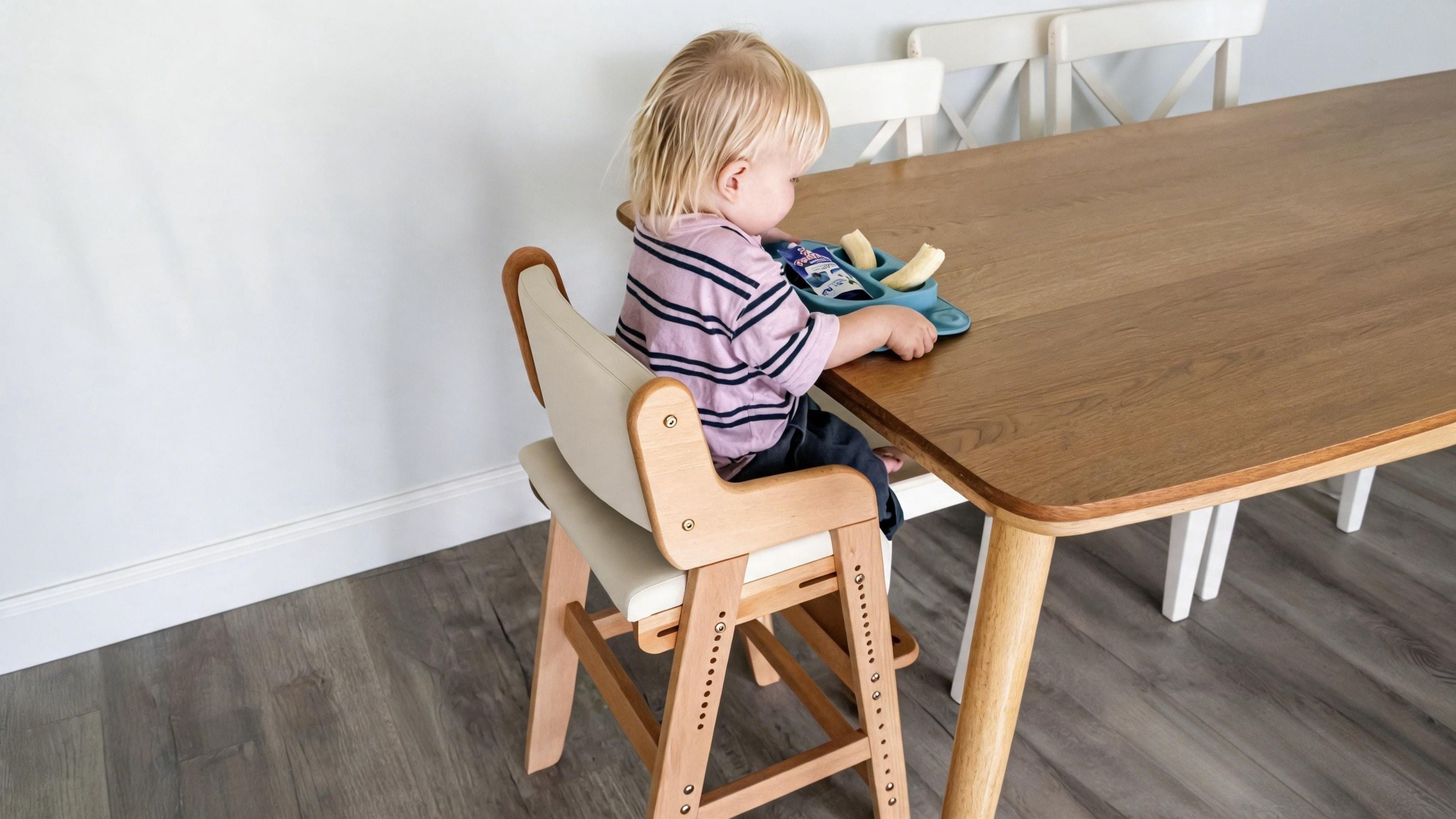
Toddler Dining Chairs: From High Chair to the Family Table
There is a stretch between the high chair and an ordinary dining chair where a toddler is too big for one and too small for the other. A toddler dining chair bridges it. Here is what makes one safe...
Read more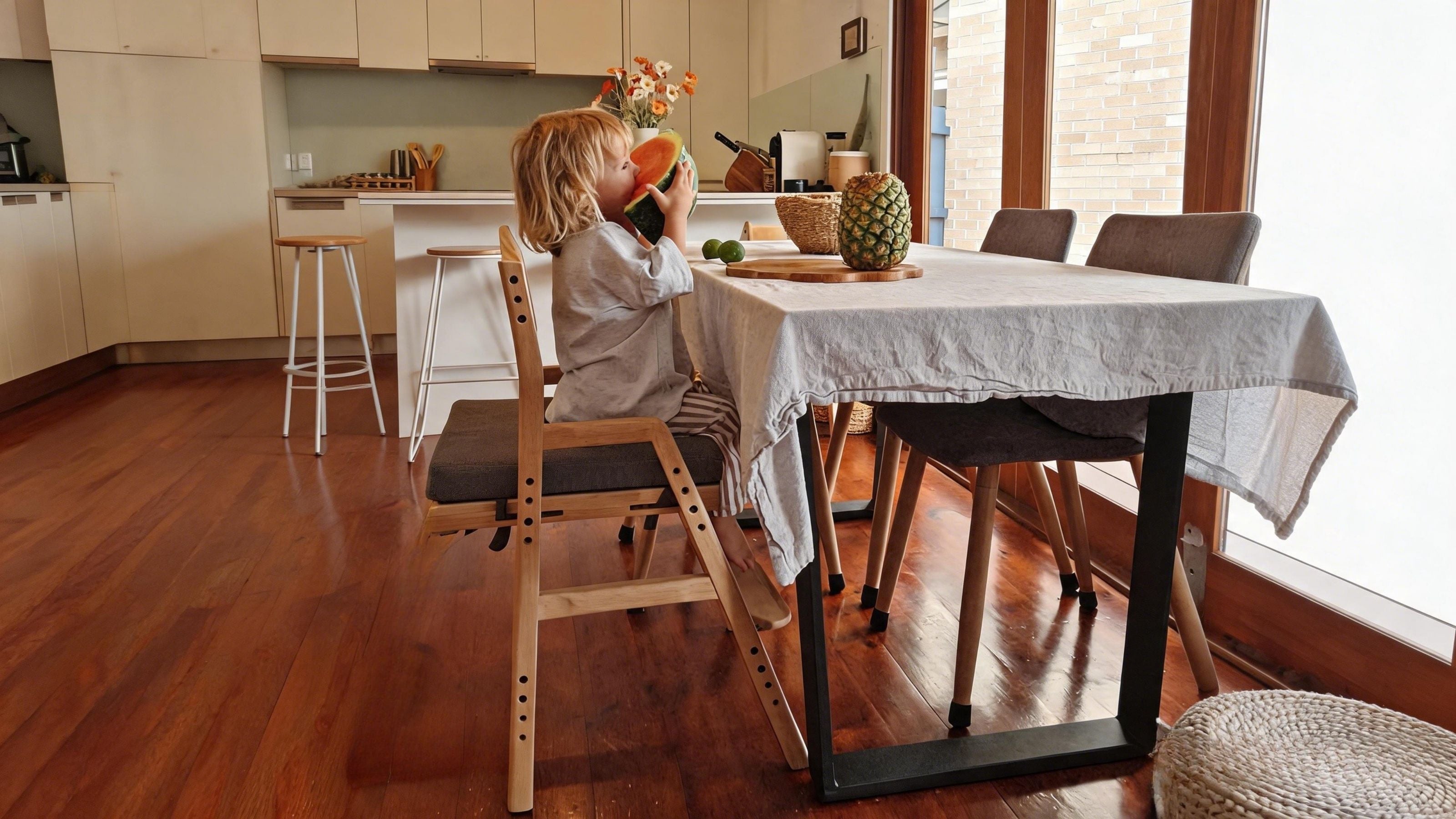
The Right Study Chair: Adjustable Seating for Growing Kids
A study chair does half the work of good posture, and the half most people skip. Here is how to read seat height, footrest and back support so the chair keeps a child's feet flat and back supported...
Read more
Kids Study Desks: How to Choose a Height-Adjustable Desk
A kids study desk works best when its height moves as the child gets taller, keeping feet flat and elbows level year after year. Here is how to read the height range, the tilting top and the matche...
Read moreAdjusts as they grow
Water-based, non-toxic finishes
30-day returns, hassle-free
Tested to toy safety standards
2-year structural warranty