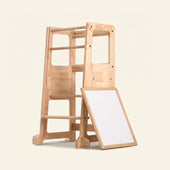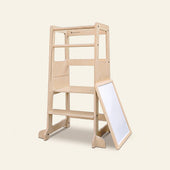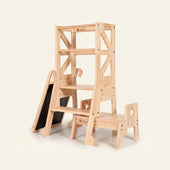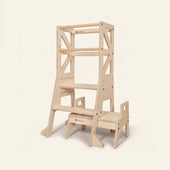
Australia’s Best Learning Towers for Toddlers
Why Parents Choose myduckling® Montessori Learning Towers for Toddlers
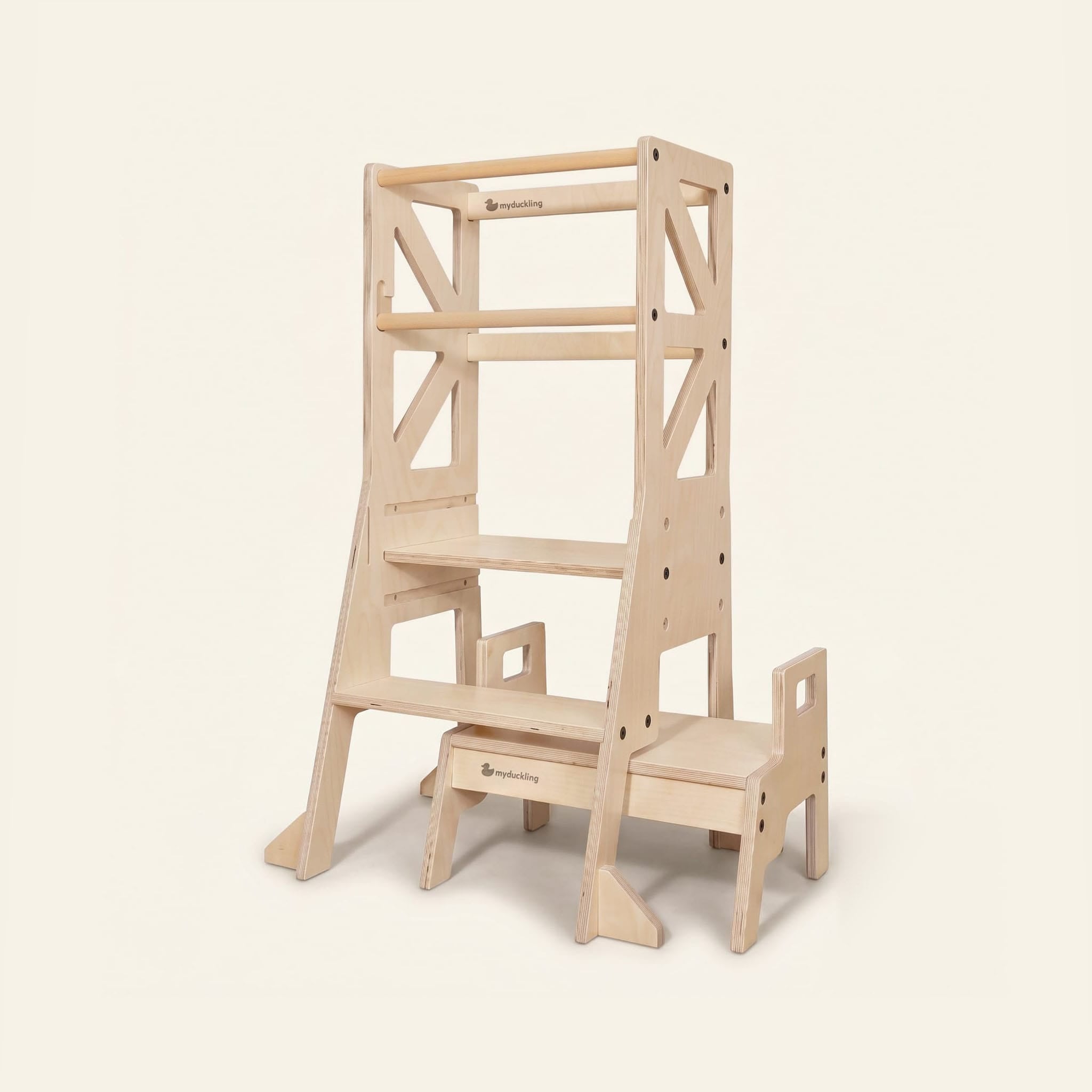
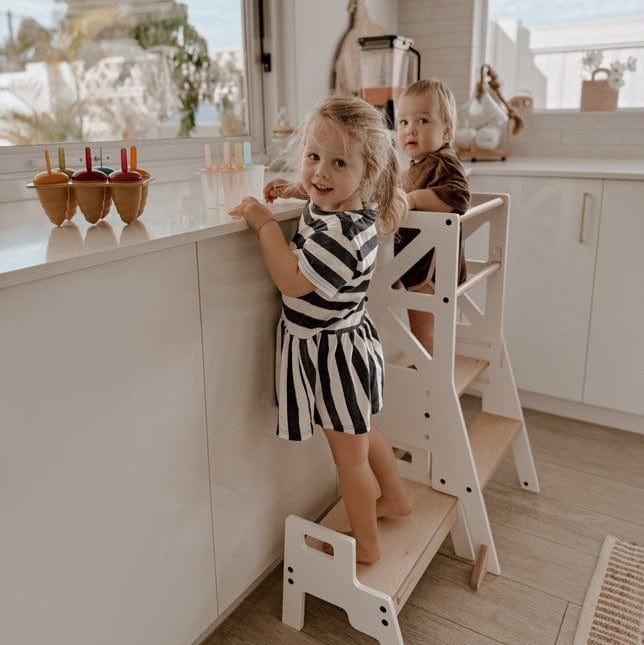
myduckling® offers premium learning towers crafted from FSC-certified wood for toddlers aged 12 months to 6 years. Designed as Montessori kitchen helpers, they meet AS/NZS ISO 8124 safety standards and include an adjustable platform, supporting safe toddler cooking and practical life learning in small Australian apartments.
Sort by
Frequently Asked Questions
What age is a learning tower suitable for?
A learning tower is suitable for children from approximately 18 months to 6 years old, depending on their ability to stand independently.
myduckling® learning towers feature three built-in adjustable platform heights, allowing you to raise the standing surface as your child grows taller.
The lowest setting works well for toddlers around 18–24 months who can stand and hold on confidently, while the highest setting accommodates children up to approximately 110cm tall.
Based on feedback from over 300 Australian parents across our product range, most families begin using their tower between 12 and 20 months — many noting their toddler learned to climb in and out independently within days.
All myduckling® towers are tested to AS/NZS ISO 8124 safety standards, though adult supervision is always recommended for children under 3.
For younger toddlers, starting on the lowest platform with a safety net accessory provides additional peace of mind during the first weeks of use.
Are learning towers safe for toddlers?
Yes, learning towers are safe for toddlers when built with proper safety features and used under adult supervision.
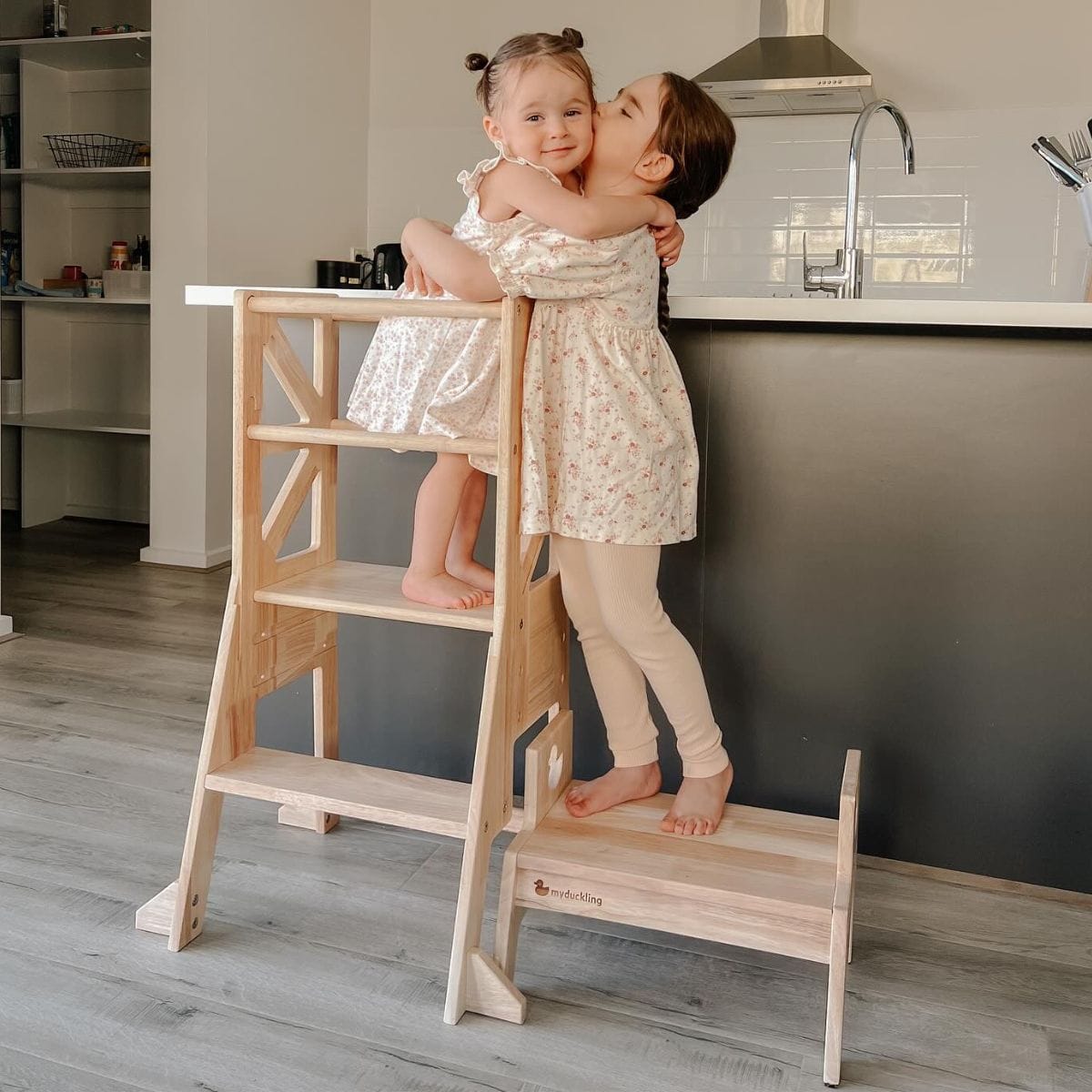
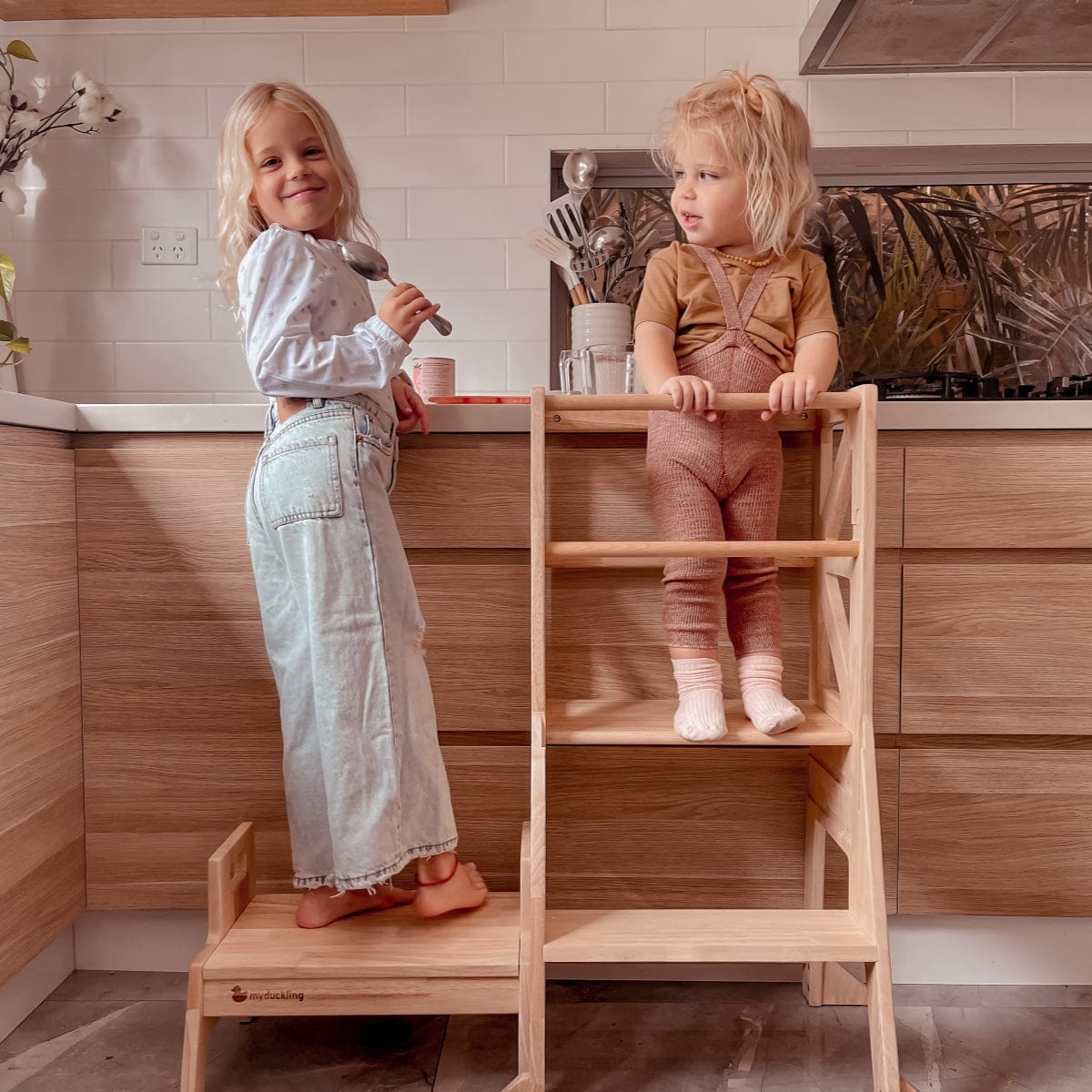
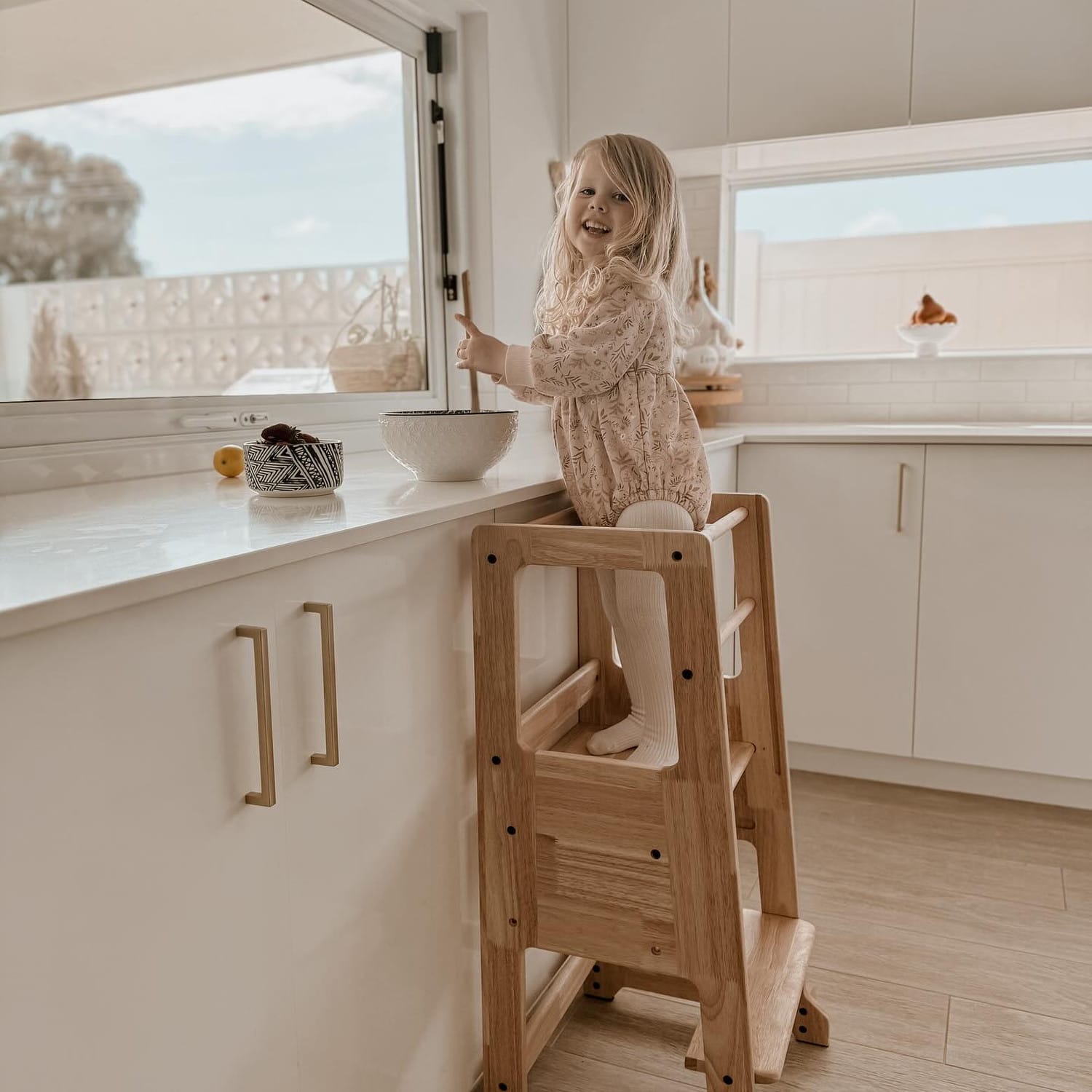
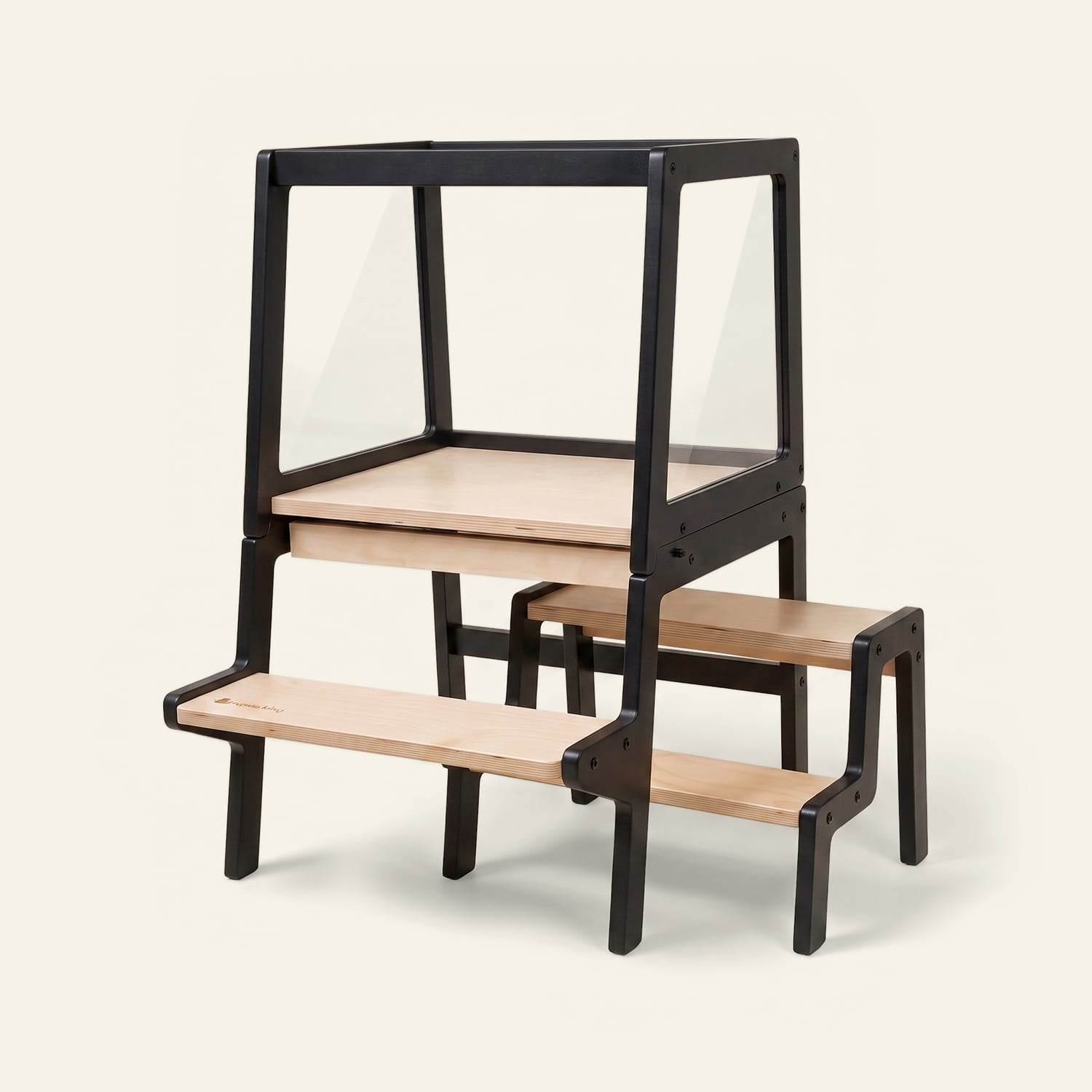
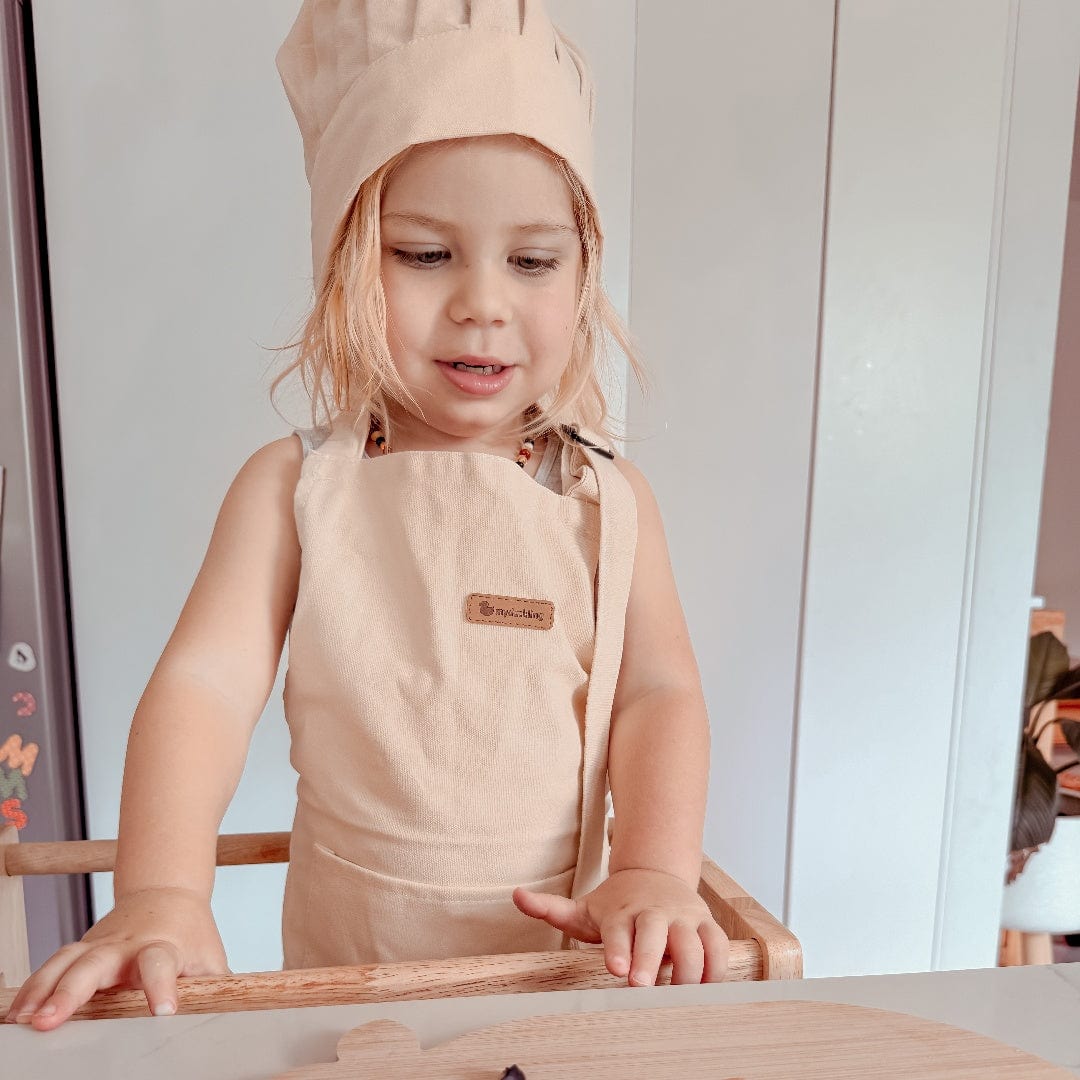
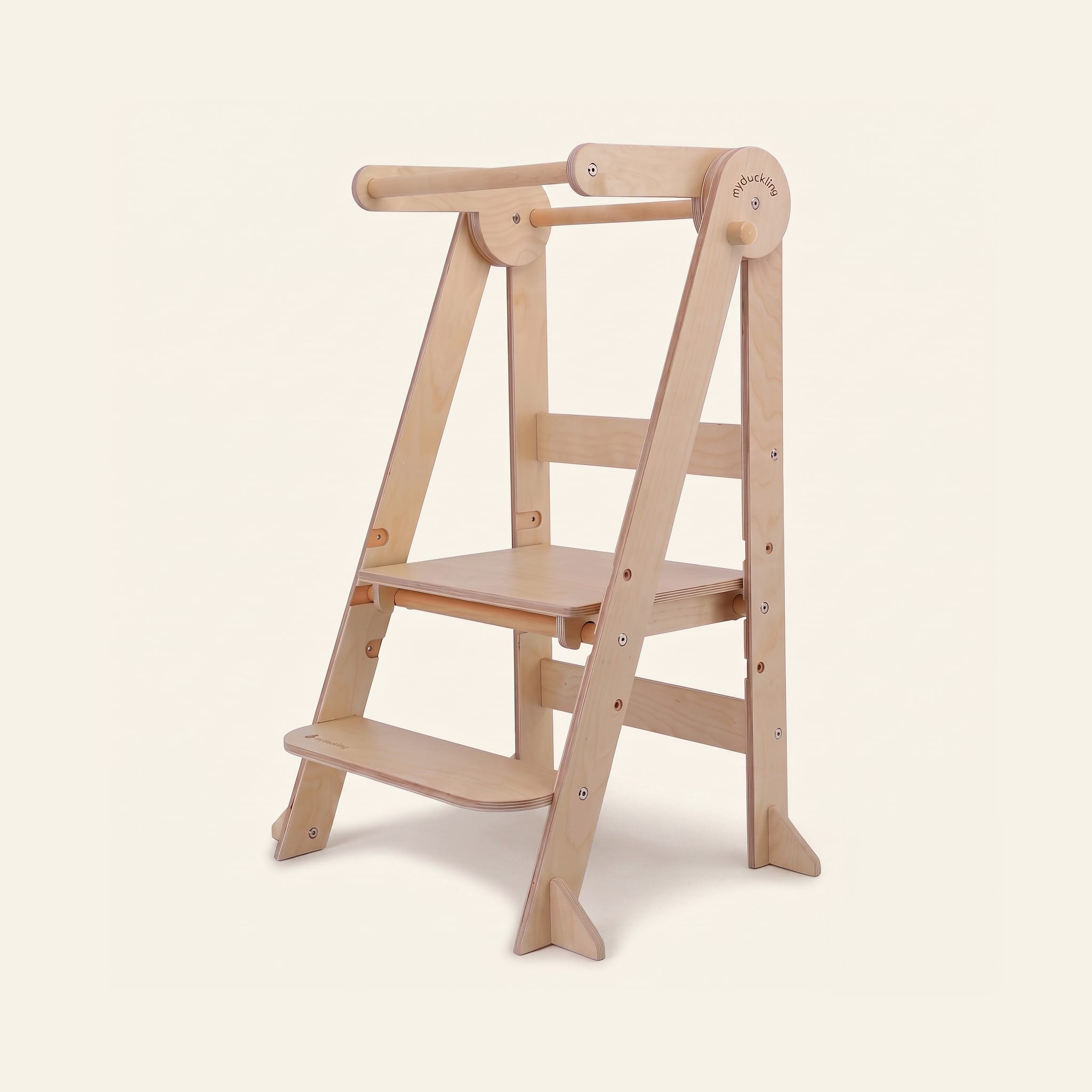
myduckling® learning towers are tested and certified to AS/NZS ISO 8124 Australian and New Zealand safety standards, featuring an enclosed four-sided rail design that prevents children from falling sideways or backwards.
The platform sits inside a sturdy frame with rails at chest height for a standing toddler, unlike open step stools where a child can easily topple.
Each tower uses non-toxic, water-based paint finishes and rounded edges throughout.
Across more than 300 verified customer reviews, parents consistently highlight sturdiness and stability as top qualities, with products in the range averaging 4.7 to 4.9 out of 5 stars.
For additional safety during the early months of use, myduckling® offers a clip-on safety net accessory that closes the front opening, giving parents confidence while their toddler builds balance and coordination skills at the kitchen bench.
What is the difference between a folding and non-folding learning tower?
The main differences between folding and non-folding learning towers are portability, weight, and material construction.
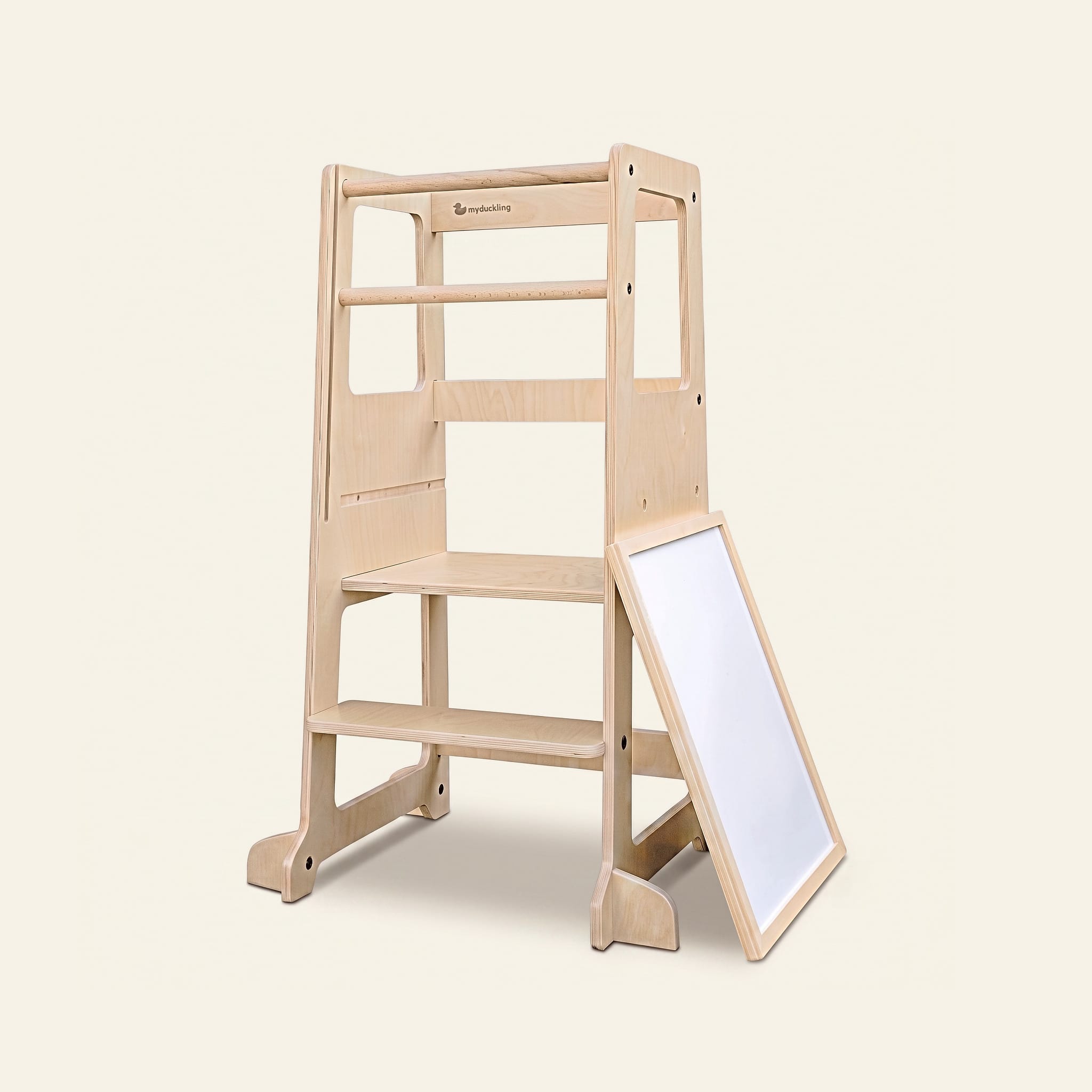
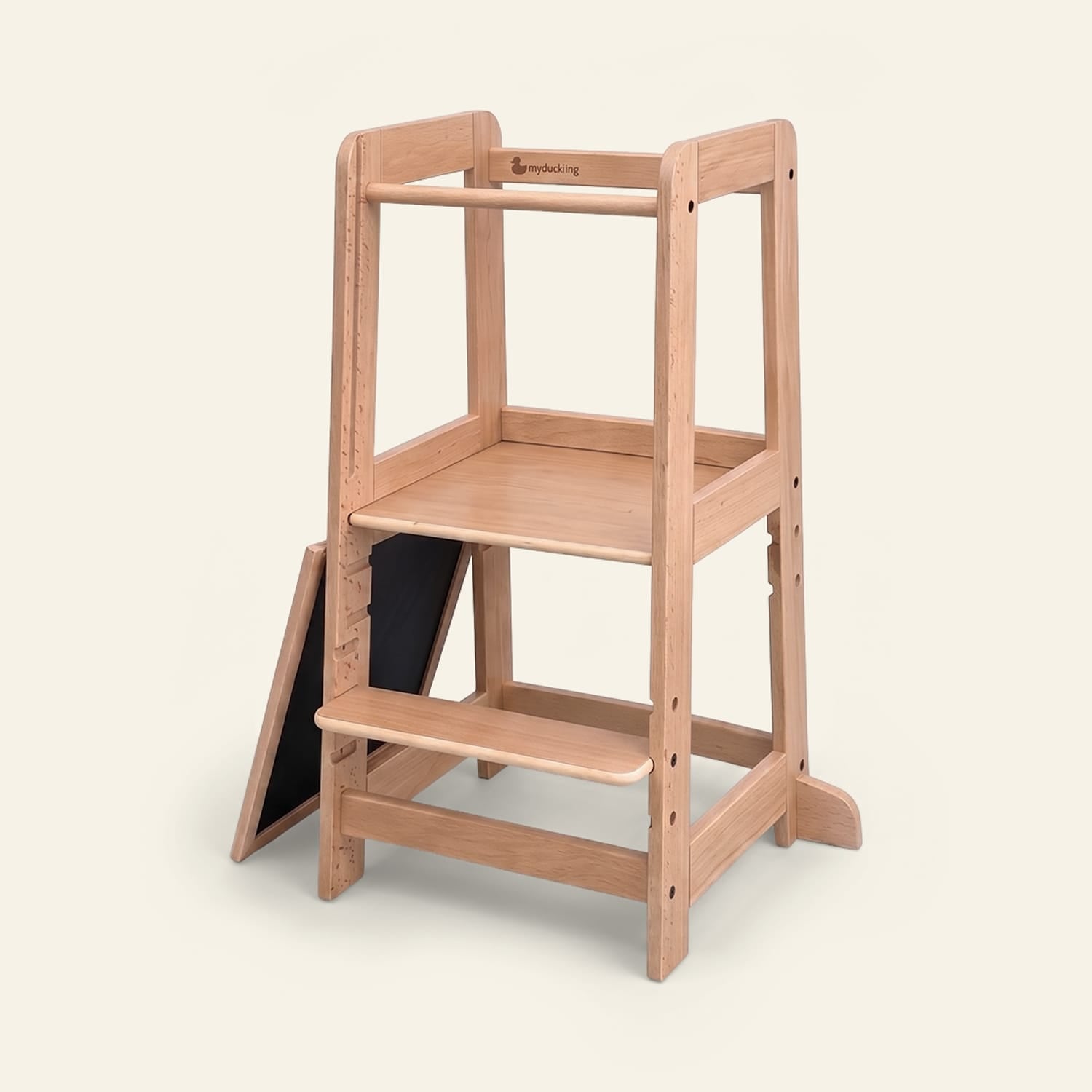
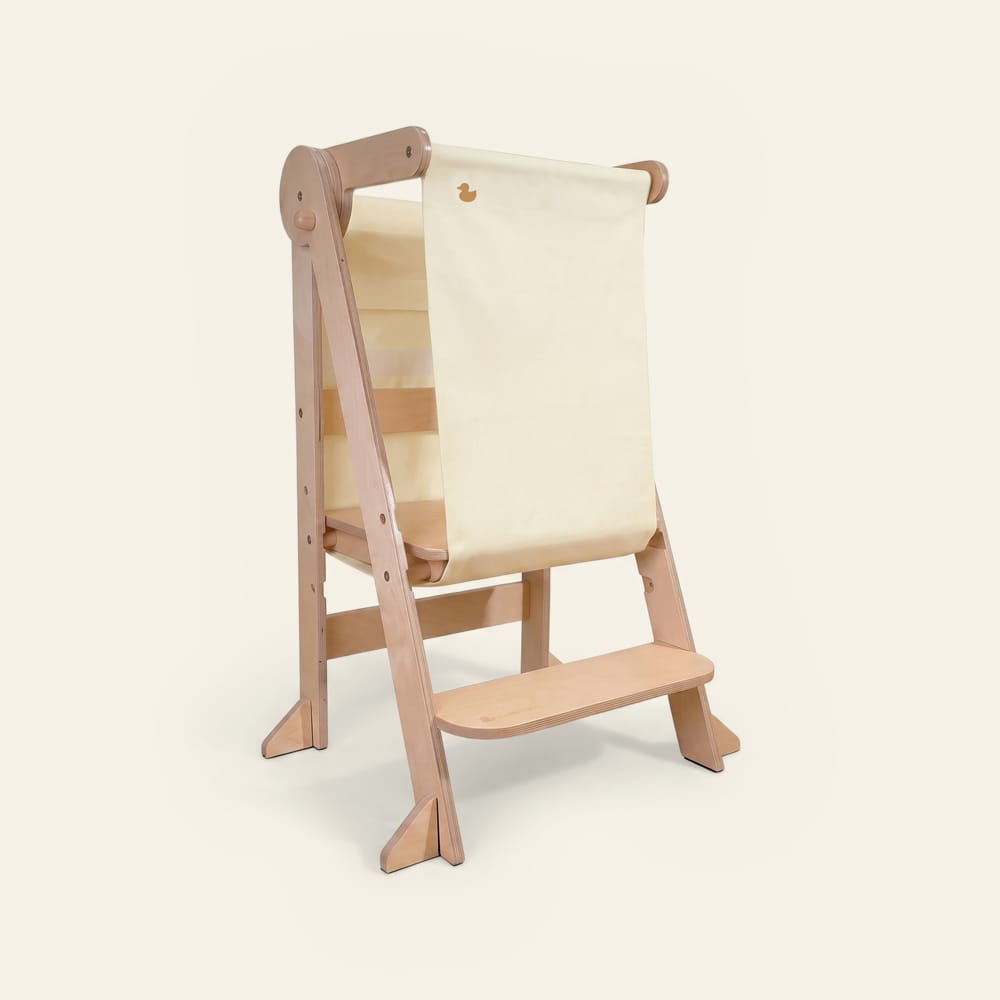
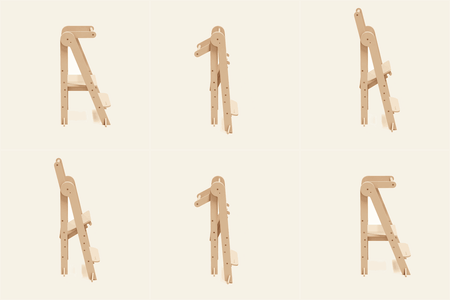
The myduckling® MILA folding tower ($219 AUD) is built from birch plywood and can be folded flatter for storage by loosening two side knobs — ideal for small kitchens or apartments where bench space is limited.
Non-folding models like the JALA ($185 AUD) and LOLA Solid Wood ($235 AUD) offer a permanently rigid frame that many parents find slightly more stable underfoot during daily use.
Based on customer reviews, the folding mechanism on the MILA works best for families who store the tower between uses rather than folding and unfolding multiple times per day, as the process takes about 30 seconds.
Non-folding solid rubberwood models are heavier (approximately 8–10 kg vs 6 kg for plywood) but are often praised for their premium feel and durability over years of use.
Both types feature three adjustable platform heights and meet AS/NZS ISO 8124 safety standards.
What materials are myduckling® learning towers made from?
myduckling® learning towers are available in two material tiers: premium birch plywood and solid rubberwood.
The JALA and MILA ranges use multi-layer birch plywood with a smooth, natural-grain finish, offering a lightweight yet durable frame at a more accessible price point starting from $185 AUD.
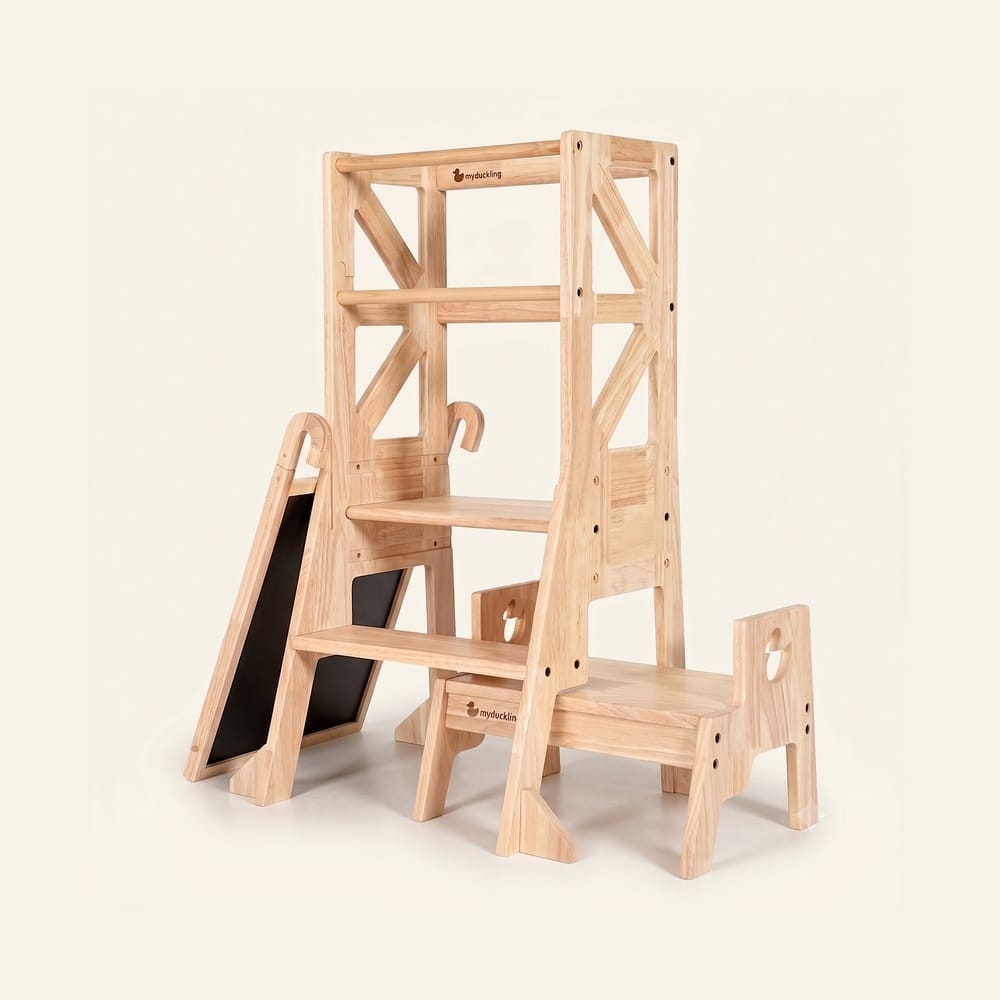
The JALA Solid Wood and LOLA Solid Wood ranges use 100% natural rubberwood — a dense, sustainably harvested hardwood known for its strength and attractive grain pattern — priced from $235 to $275 AUD.
All models are finished with non-toxic, water-based paint that is safe for children who may mouth or chew on surfaces during play.
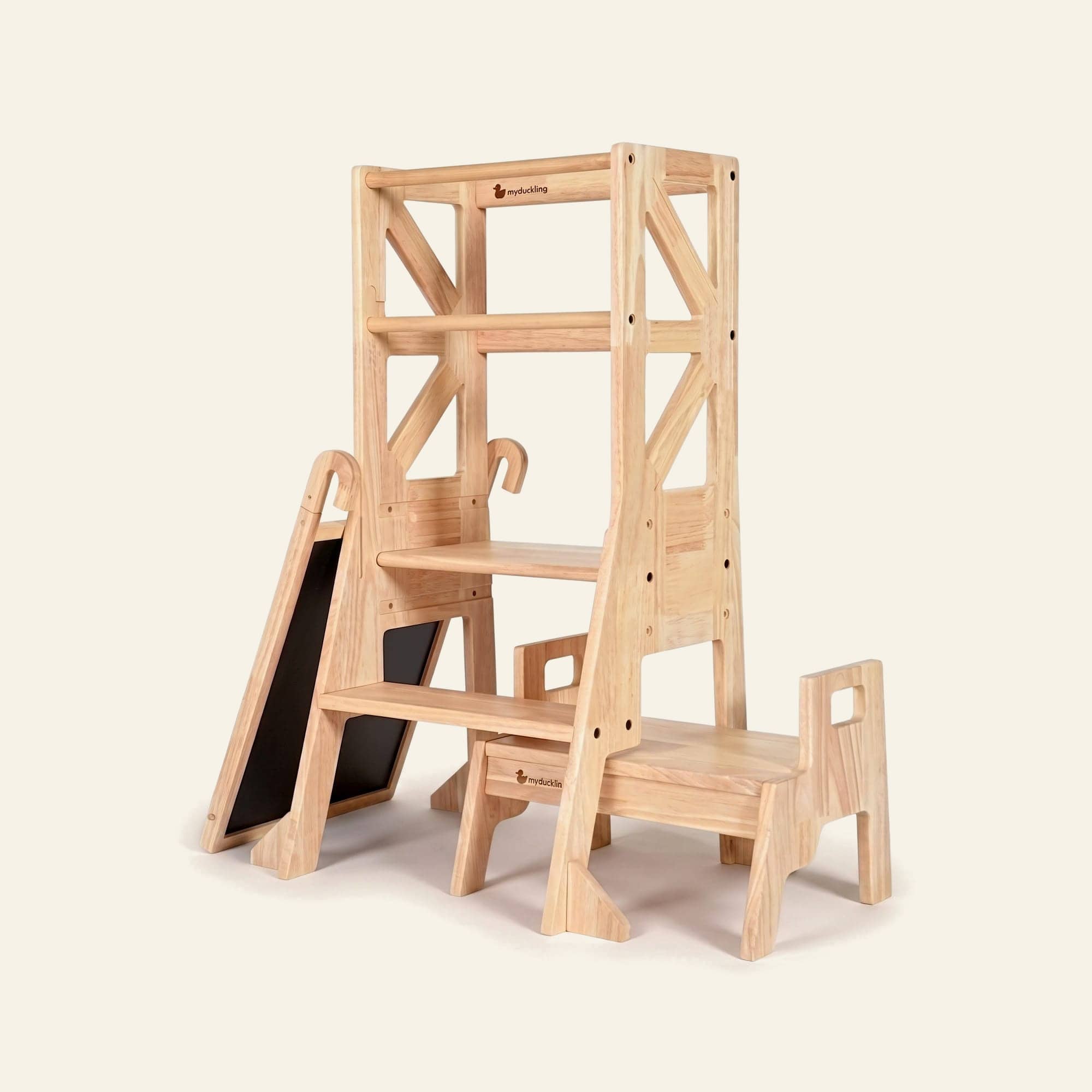
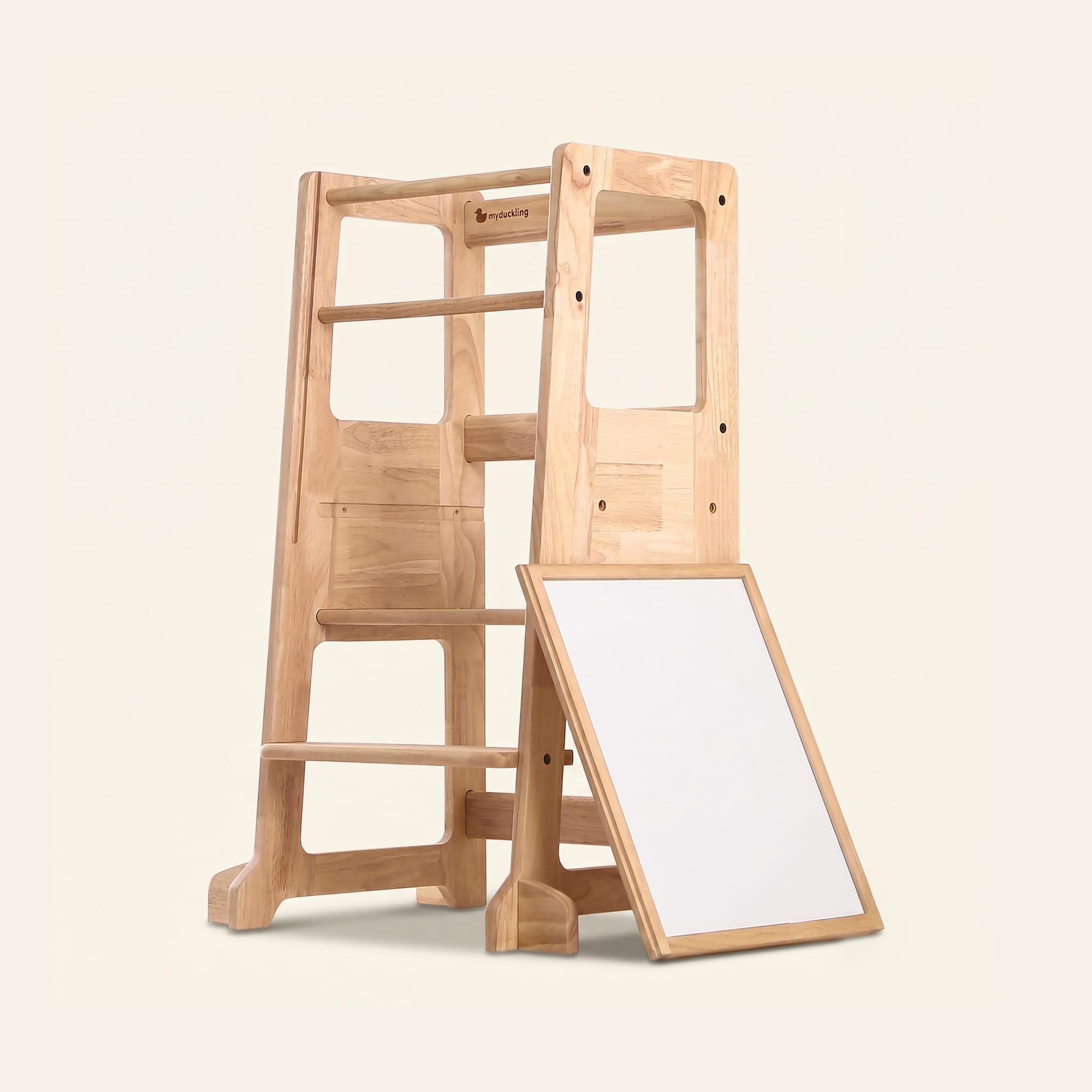
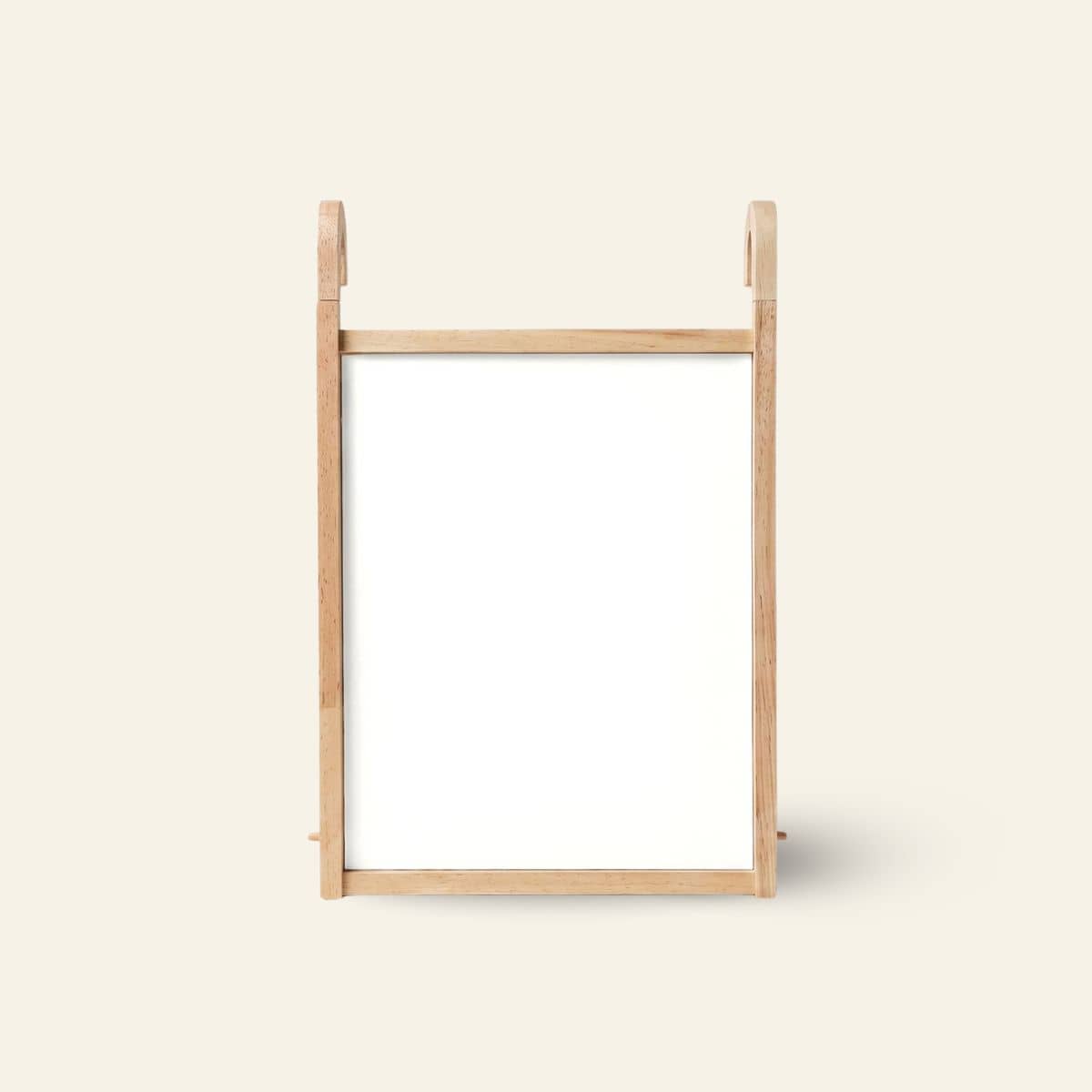
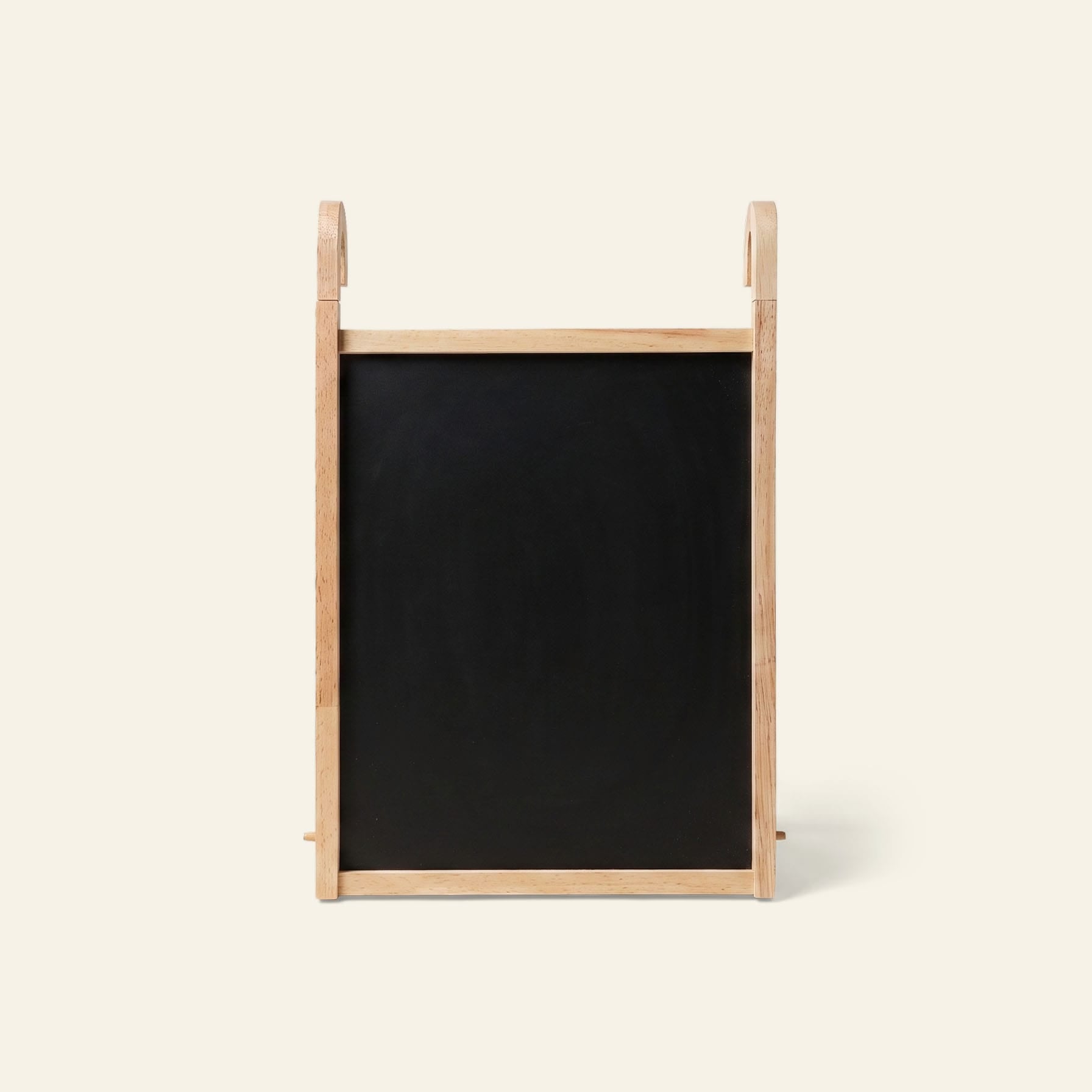
Solid wood models include additional features such as a dual-sided drawing board with magnetic whiteboard on one side and chalkboard on the other.
Across hundreds of verified reviews, parents frequently highlight the quality of the wood finish, with several noting that the solid rubberwood models look and feel noticeably more premium than competitor towers at similar price points.
Is a learning tower better than a step stool?
A learning tower is safer and more practical than a regular step stool for toddlers and young children in the kitchen.
The key advantage is the enclosed four-sided rail design — a learning tower surrounds your child on all sides at chest height, preventing falls that commonly occur with open step stools when a toddler leans, reaches, or loses balance at bench height.
Step stools are lighter and cheaper (typically $20–50 AUD), but they lack guardrails and are not designed for prolonged standing by children under 5.
myduckling® learning towers feature adjustable platform heights that grow with your child from approximately 18 months to 6 years, whereas most step stools offer a single fixed height.
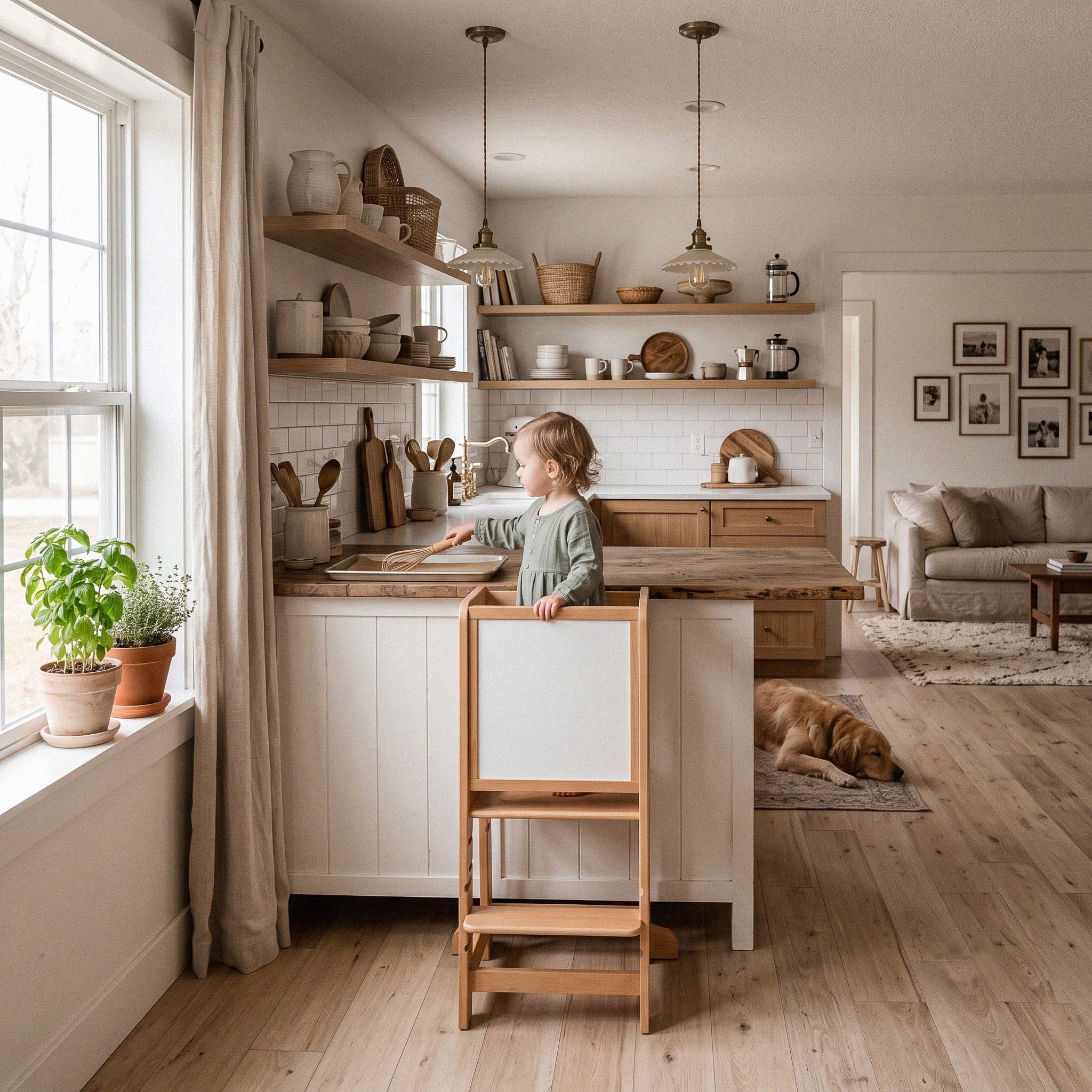
Based on parent reviews, the most frequently mentioned benefit is peace of mind — parents report being able to cook and prepare food without needing to physically hold their child or redirect them away from the bench.
For Australian families prioritising safety and independence, a learning tower is the stronger long-term investment.
Are learning towers worth the investment?
Yes, a learning tower is a worthwhile investment for families with toddlers, offering 4–5 years of daily use across multiple activities.
myduckling® towers range from $185 to $275 AUD depending on material and features, and are designed to grow with your child through three adjustable platform heights — from first standing around 18 months to independent kitchen participation at age 6.
Across over 300 verified reviews, parents consistently describe their purchase as one of the best investments for their household, with many expressing regret at not buying one sooner.
The solid wood models include a bonus stool and dual-sided drawing board (magnetic and chalkboard), adding play and learning value beyond kitchen use alone.
Compared to alternatives like temporary step stools that need frequent replacement or paid toddler activity classes, a learning tower provides daily engagement while building practical life skills through cooking, baking, and self-care routines at home.
How do I choose the right learning tower for my kitchen?
Choosing the right learning tower depends on your kitchen size, preferred material, and how often you plan to move or store it.
For compact Australian kitchens or apartments, the MILA folding tower ($219 AUD) folds flatter for storage beside the fridge or in a cupboard.
For standard kitchens with permanent bench space, the JALA plywood tower ($185 AUD) offers the best value with a compact 400mm x 400mm footprint and three adjustable heights.
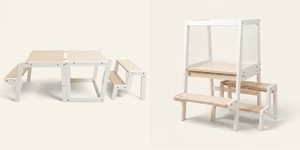
Families wanting premium materials should consider the JALA or LOLA solid rubberwood models ($235–275 AUD), which include a removable stool and dual-sided drawing board.
All myduckling® towers are designed to reach standard Australian bench height of 900mm. Colour options include natural wood, white, and grey across most models.
Based on customer feedback, families who use the tower daily at a fixed position prefer non-folding models for rigidity, while families in smaller spaces consistently recommend the MILA for its storage flexibility.
Can a learning tower be used outside the kitchen?
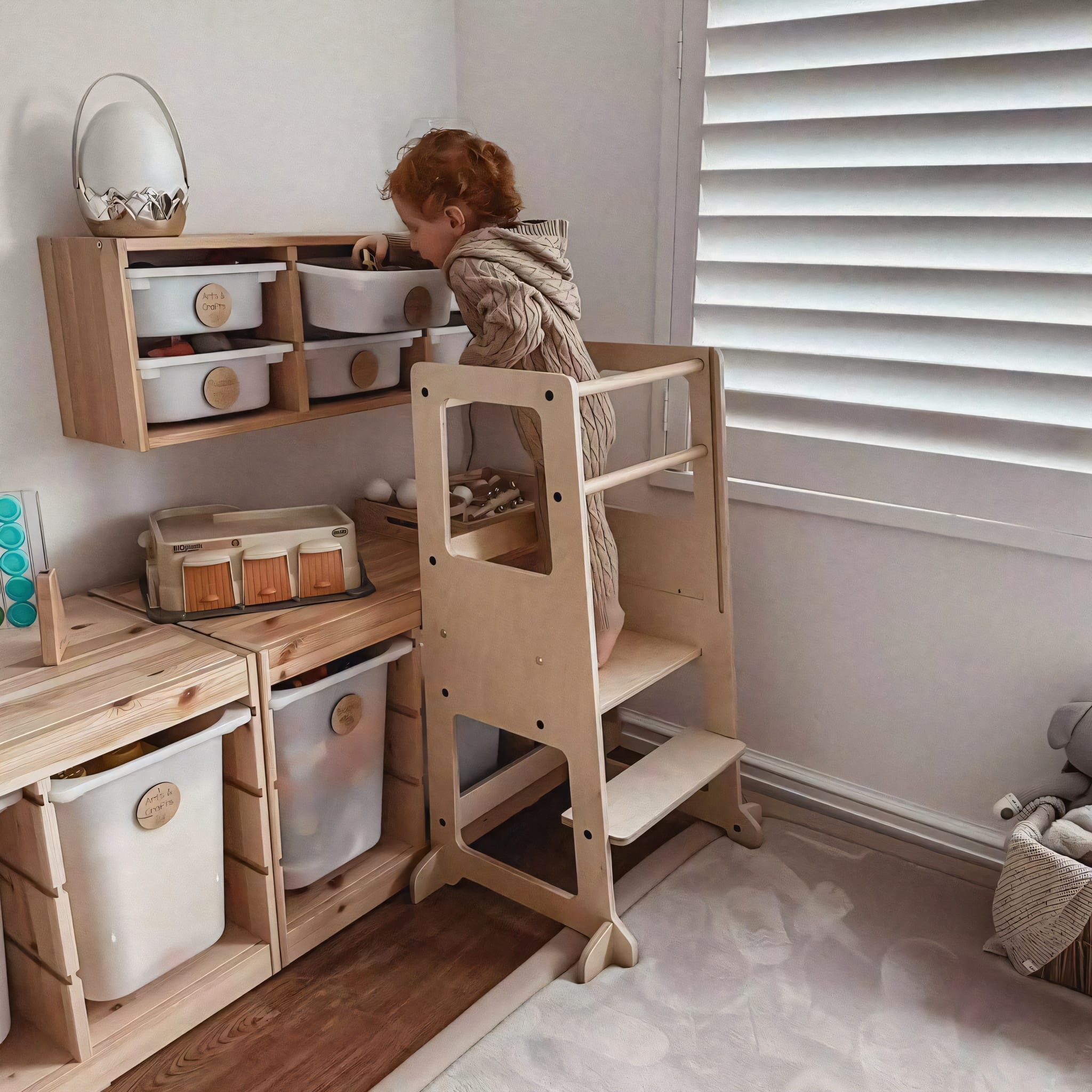
Yes, a learning tower is versatile furniture that works well in bathrooms, living areas, and play spaces beyond the kitchen.
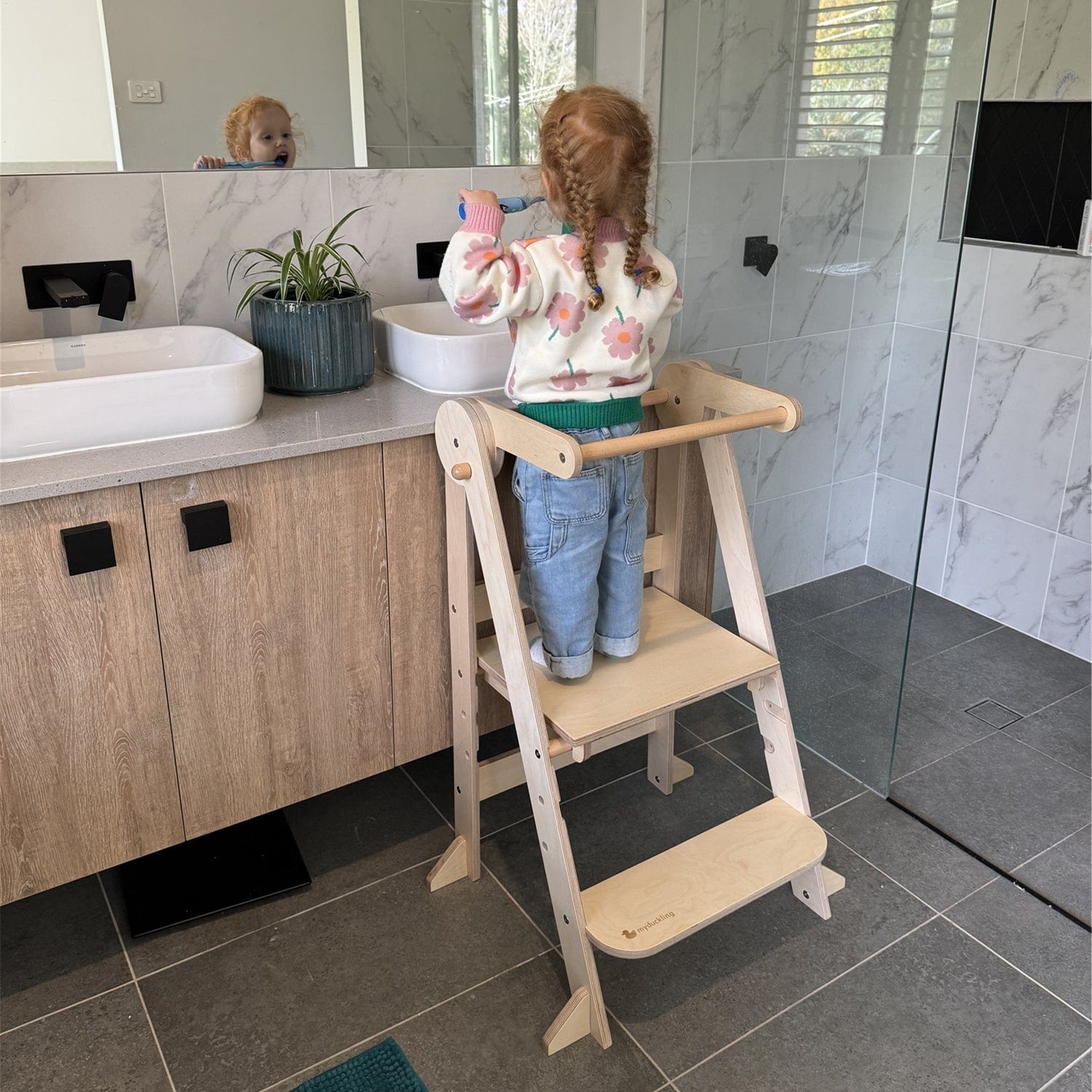
In the bathroom, toddlers from 18 months can stand safely at sink height for teeth brushing, hand washing, and learning hygiene routines independently — a core Montessori parenting principle popular with Australian families.
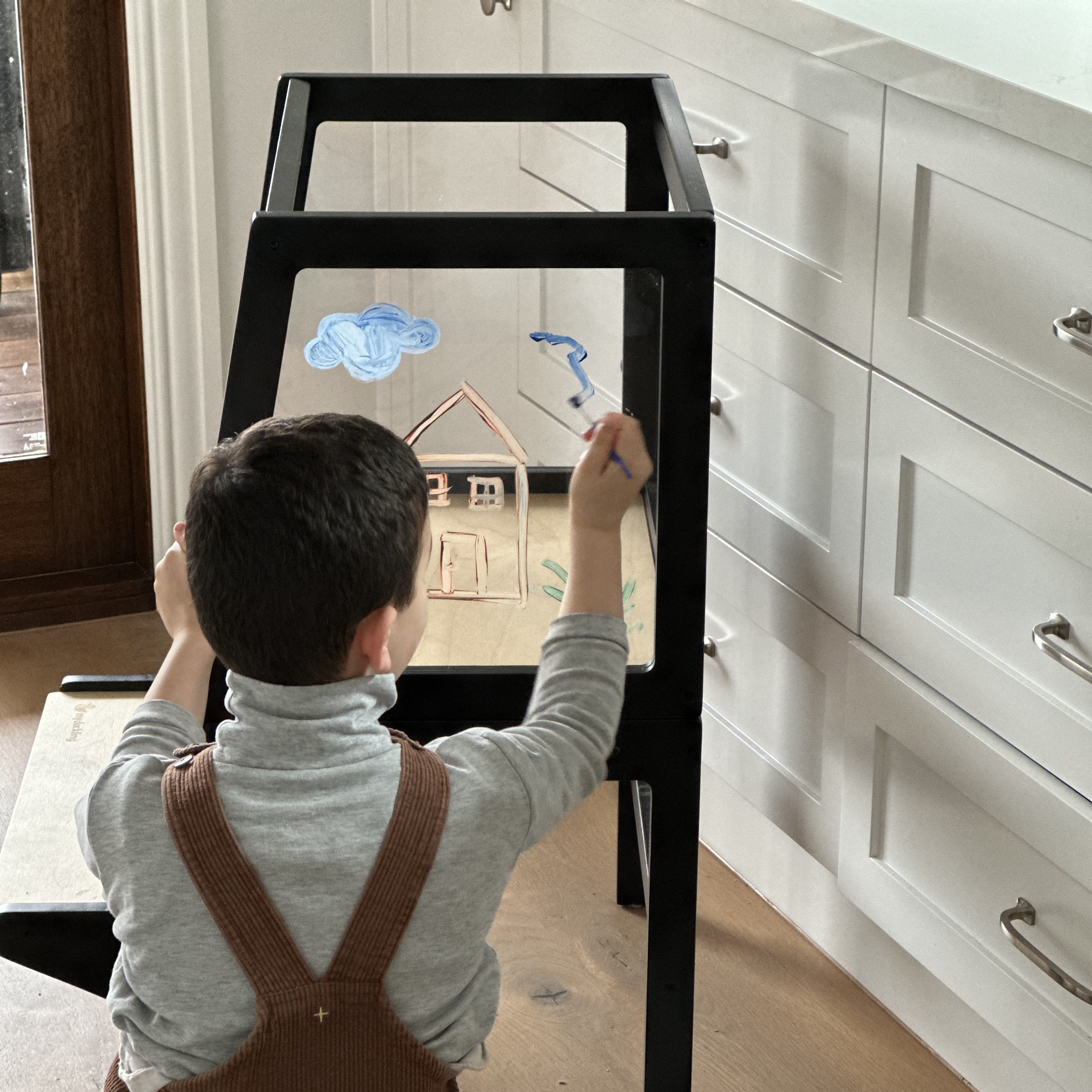
myduckling® solid wood models ($235–275 AUD) include a dual-sided drawing board with magnetic whiteboard and chalkboard, turning the tower into a standing art station where children can draw, practise letters, or play with magnetic toys.
Parents in over 300 verified reviews frequently mention using the tower at dining tables during craft activities, at laundry benches, and even outdoors on flat surfaces for garden play.
The included detachable stool doubles as a child-sized seat for reading or snack time.
With 3 adjustable platform heights and a sturdy enclosed frame tested to AS/NZS ISO 8124 standards, a myduckling® learning tower functions as a multi-room tool for building independence across daily routines.